Whitman Mission National Historic Site
I had known the story of Narcissa Whitman long before I visited this site. I remember reading about her to my daughters when they were growing up—the young missionary who crossed the continent with her husband, Marcus, in 1836 to establish a mission among the Cayuse people in what was the Oregon Country. Visiting Whitman Mission National Historic Site gave me an opportunity to return to her story.
Narcissa and Marcus Whitman were newly married when they began their journey west. Sent by the American Board of Commissioners for Foreign Missions, they traveled more than 2,000 miles to the Columbia Plateau. Narcissa and fellow missionary Eliza Spalding became two of the first white women known to cross the Rocky Mountains overland. Narcissa kept a detailed journal and wrote letters describing the journey, leaving an important record of early travel along what would become the Oregon Trail.
The Whitmans established their mission at Waiilatpu, near present-day Walla Walla, on land where the Cayuse had lived for generations. Their goal was to introduce Christianity, education, agriculture, and European American ways of life. But the relationship was far more complicated than the idealistic missionary story I first encountered. Cultural differences, misunderstandings, and the Whitmans’ expectations that the Cayuse should change their traditional ways created increasing tension. As thousands of American emigrants began traveling through Cayuse lands on the Oregon Trail, the mission itself increasingly became a stopping place for those settlers.
Narcissa’s own experience was difficult as well. Her only biological child, Alice Clarissa, drowned in 1839 at the age of two. Narcissa struggled with grief, isolation, and the realities of mission life. Her surviving writings reveal a woman whose expectations had collided with circumstances for which she was not fully prepared. She remained committed to her religious beliefs, but she never developed the relationship with the Cayuse people that she had once envisioned.
The crisis came in 1847 when measles swept through the region. Although both white settlers and Cayuse became ill, the Cayuse had little immunity to the disease and suffered devastating losses. About half of the local Cayuse population died. Marcus Whitman was a physician and attempted to treat the sick, but many Cayuse patients continued to die while a greater proportion of white patients recovered. Some Cayuse came to believe that Whitman was responsible for the deaths.
On November 29, 1847, a small group of Cayuse men attacked the mission. Marcus and Narcissa Whitman were killed along with eleven other men; others were taken hostage. The violence did not end there. The attack led to retaliation, the Cayuse War, and further displacement of Native peoples. It also became a catalyst for the creation of Oregon Territory by Congress in 1848, although American expansion into the region was already well underway.
The mission site was first protected as a national monument in 1936 and redesignated Whitman Mission National Historic Site in 1962. None of the original mission buildings survive, but their locations are marked, and trails lead across the grounds to the graves and Monument Hill. Today the National Park Service works with the Confederated Tribes of the Umatilla Indian Reservation to tell the story.
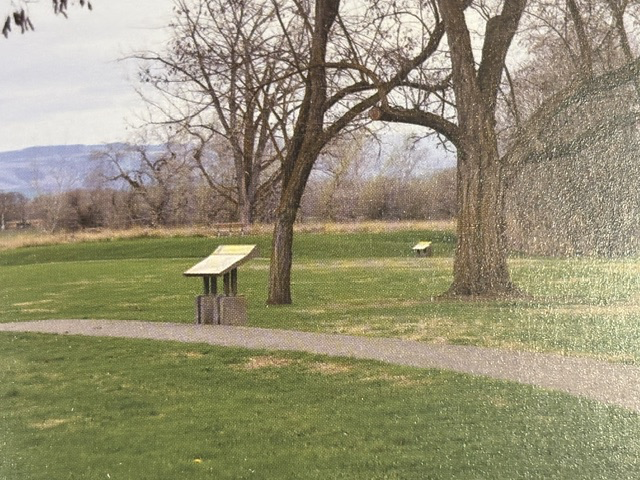
Visiting the site made me think again about the story I had read to my daughters’ years earlier. I still see Narcissa as an idealistic young woman willing to undertake an extraordinary journey because of what she believed. But I can also see how little prepared she and the other missionaries were for the cultural differences and consequences of what they were attempting to do.
That is one of the reasons I value returning to these stories through the places where they happened. History becomes more complex as we learn more about it. At Whitman Mission, Narcissa’s story remains important, but it is only one part of a much larger story involving the Cayuse people, the Oregon Trail, disease, cultural conflict, westward expansion, and the profound changes taking place in the Pacific Northwest during the nineteenth century.
Read More From Nancy
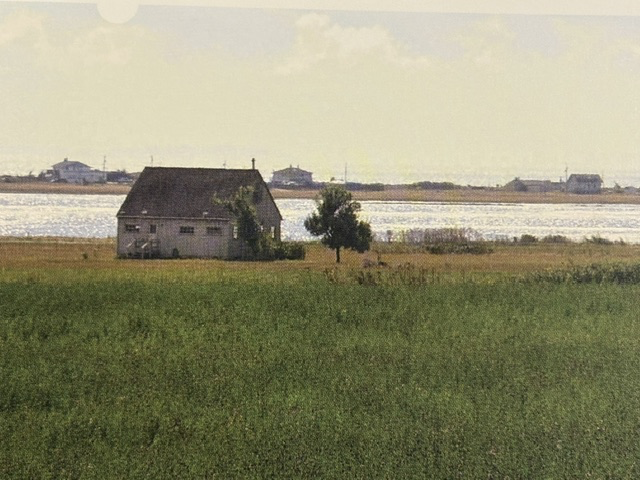
Ebey’s Landing National Historical Reserve
Ebey’s Landing National Historical Reserve on Whidbey Island preserves a landscape where the history of the Pacific Northwest can still be seen in the land itself. Open fields stretch toward Puget Sound, historic farm buildings remain part of the countryside, and forests and shoreline surround communities whose stories reach back generations. In 1792, Captain George […]
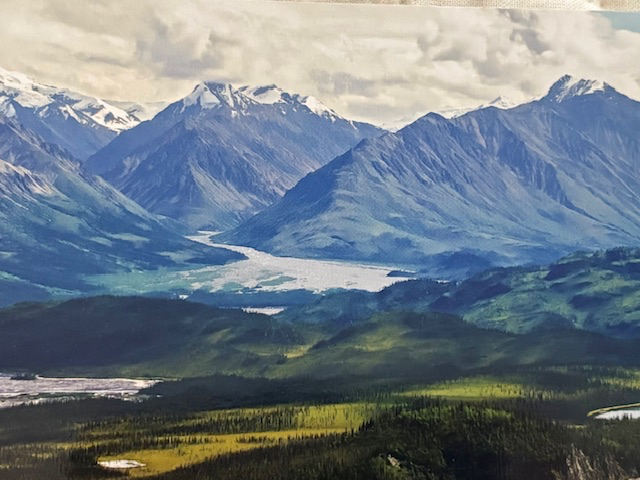
Wrangell-St. Elias National Park
Wrangell-St. Elias National Park and Preserve was part of our 2014 trip to Alaska. We drove into the Wrangell area, and what I most remember is the vast and distant everything felt. This is not an easy part to access. Roads are limited and distances are long. Most of the park is still reached by small […]
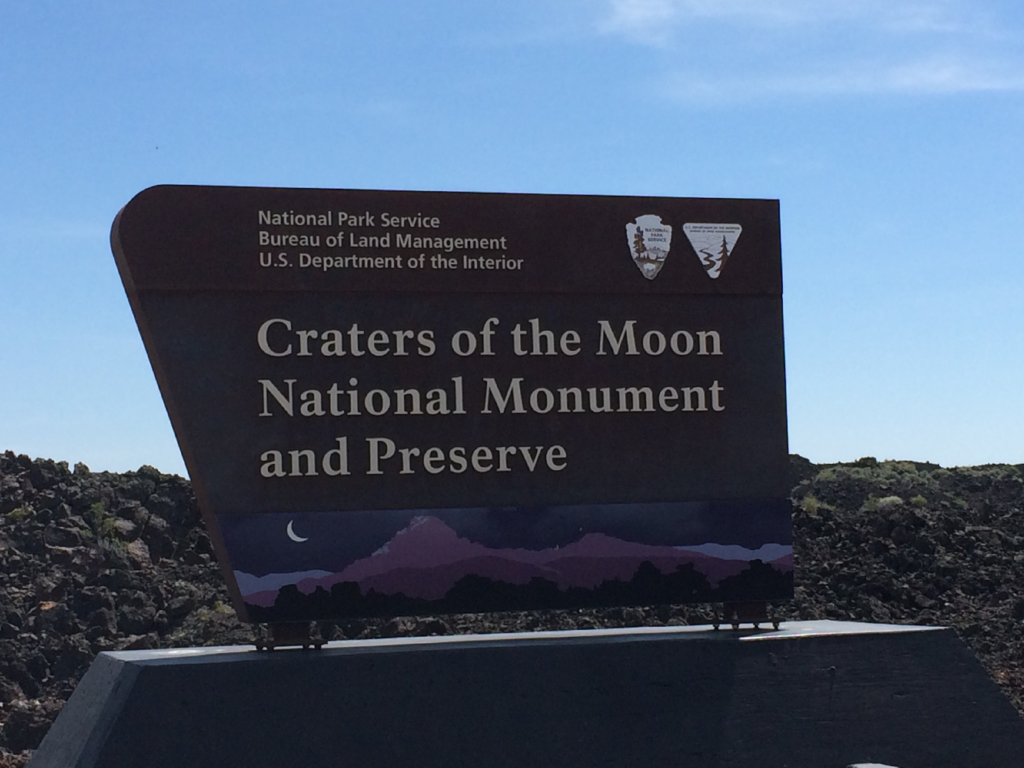
Craters of the Moon National Monument
Another solo driving tour took me through Idaho. There were early mornings on those roads when the light stretched across open land and I found myself wishing someone else could see what I was seeing. Some landscapes feel almost too vast to keep to yourself. I knew there was no way I could fully describe it. […]

