Thomas Stone National Historic Site
In 1770, Thomas Stone purchased more than 400 acres in Charles County, Maryland, and began creating a home for his young family. He and his wife, Margaret Brown Stone, had married only two years earlier, and Stone was building a promising career as a lawyer. The property was known as Haberdeventure, a name generally interpreted as meaning “dwelling place of the winds.” Construction of the central portion of the house began in 1771, and the family was probably living here by the following year.
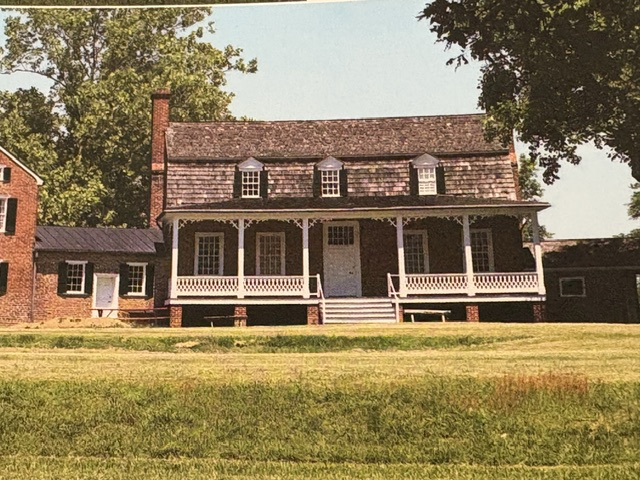
The house itself grew along with Stone’s responsibilities. After the deaths of his father and two older siblings, Stone became responsible for several younger family members who joined his household. Additional sections were incorporated into the house, eventually creating the unusual, connected structure that survives today. At times, 15 or more people lived at Haberdeventure.
Within only a few years of moving here, Stone’s life changed dramatically. He became involved in the growing political conflict with Great Britain and was selected to represent Maryland in the Second Continental Congress in 1775. Stone was not an impulsive revolutionary. He initially hoped that reconciliation with Britain might still be possible, but by 1776 he had concluded that surrendering colonial rights was unacceptable.
That summer, at age 33, Thomas Stone became one of the 56 men who signed the Declaration of Independence. In doing so, he placed at risk everything represented by Haberdeventure, his home, property, family security, and his own life. Had the Revolution failed, the signers could have faced punishment as traitors to the Crown.
Stone continued in public service during and after the Revolution and helped draft the Articles of Confederation, America’s first framework of national government. Haberdeventure remained his primary residence until 1783, when he moved his family to Annapolis to be closer to his legal and political work.
There is also a sad ending to the family’s story here. Margaret suffered from serious health problems during the later years of her life and died in 1787 at only 36. She was brought back to Haberdeventure for burial in the family cemetery. Thomas was devastated by her death and died just four months later, at age 44. At his request, he was buried beside his wife on the property they had made their home.
The Stone family continued to own Haberdeventure until 1936. Congress established Thomas Stone National Historic Site in 1978, preserving the home and landscape associated with one of Maryland’s four signers of the Declaration of Independence.
Read More From Nancy
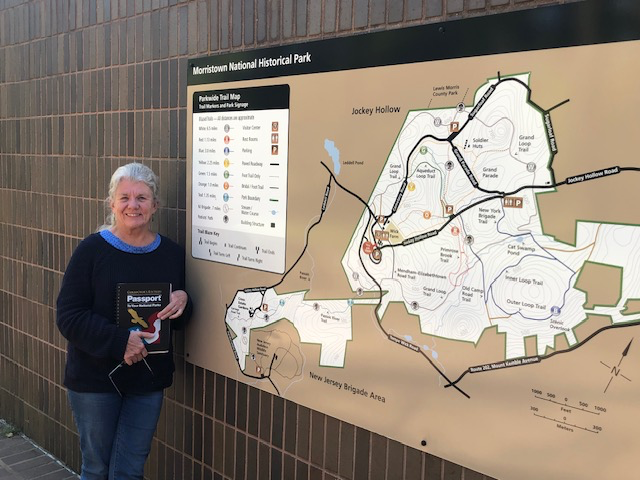
Morristown National Historical Park
The Morristown National Historical Park is a Revolutionary War landscape, not a single battle but a place of endurance and survival. Located in Morristown, New Jersey, the park preserves land and structures tied to three winter encampments of the Continental Army between 1777 and 1780. Most famously, it includes Jockey Hollow, where thousands of soldiers endured the brutal […]
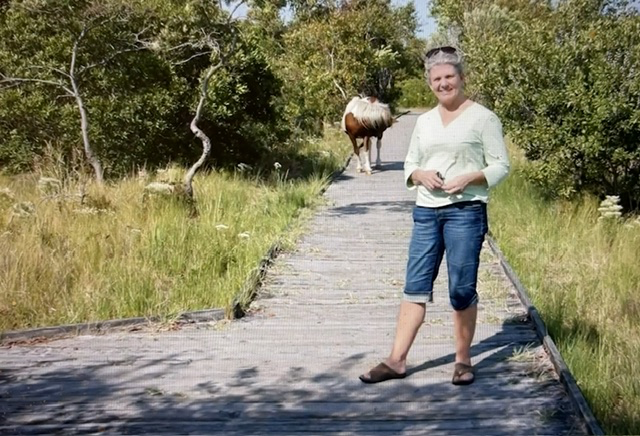
Assateague Island National Seashore
On a road trip to meet our daughters for a family vacation, we stopped at Assateague Island National Seashore. One of the unforgettable experiences there was seeing the famous wild horses wandering freely through the landscape. In this photo, one of the horses calmly stood along the boardwalk. Encounters like this are part of what makes Assateague such […]
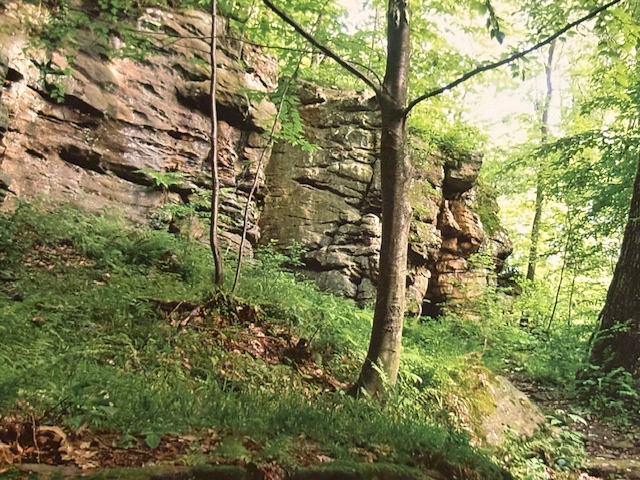
Fort Necessity National Battlefield
This is Jumonville Glen, part of Fort Necessity National Battlefield in Pennsylvania. On May 28, 1754, a young George Washington, then a lieutenant colonel with the Virginia Regiment, along with Native American allies, surprised a small French scouting party camped in this ravine. In the brief skirmish that followed, several French soldiers were killed, including their […]

