Seven Mile Beach at Negril
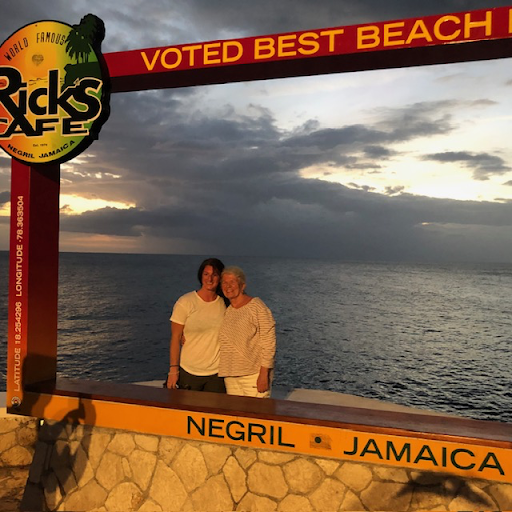
Stretching for nearly seven miles along Jamaica’s western coast, Negril’s famous beach is one of the Caribbean’s most beautiful natural treasures. Known simply as Seven Mile Beach, its powdery white sand, crystal-clear turquoise water, and gently swaying sea grape and palm trees have drawn visitors from around the world for generations.
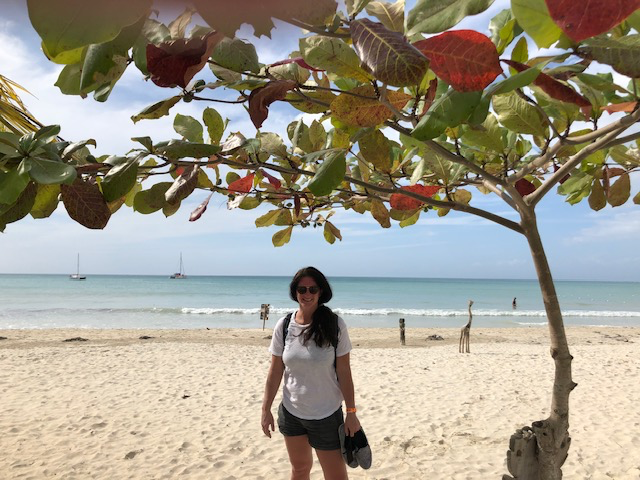
Unlike many Caribbean destinations built around dramatic cliffs or sheltered coves, Negril’s shoreline is broad and open. The calm, shallow waters are protected by offshore reefs, creating ideal conditions for swimming and allowing the brilliant shades of blue and green to stretch uninterrupted to the horizon. The sea grape trees that line portions of the beach provide welcome shade and have become one of Negril’s most recognizable features. Their broad, leathery leaves turn shades of red and bronze throughout the year, adding unexpected color to the tropical landscape.
Long before Negril became an international vacation destination, this quiet fishing village was known primarily to local fishermen and sailors navigating Jamaica’s western coast. It remained relatively isolated until the 1960s and 1970s, when improved roads and growing tourism introduced visitors to its spectacular shoreline. Unlike many resort communities that developed rapidly, Negril earned its reputation through a relaxed atmosphere that emphasized the natural beauty of the beach rather than large-scale development.
The name “Negril” itself dates back to the Spanish colonial period. Early Spanish explorers called the area “Negrillo,” meaning “little black,” a reference believed to describe the dark cliffs found farther south along the coastline. Over time, the name evolved into the Negril we know today, while the village grew into one of Jamaica’s most beloved destinations.