Salt River Bay National Historical Park and Ecological Preserve
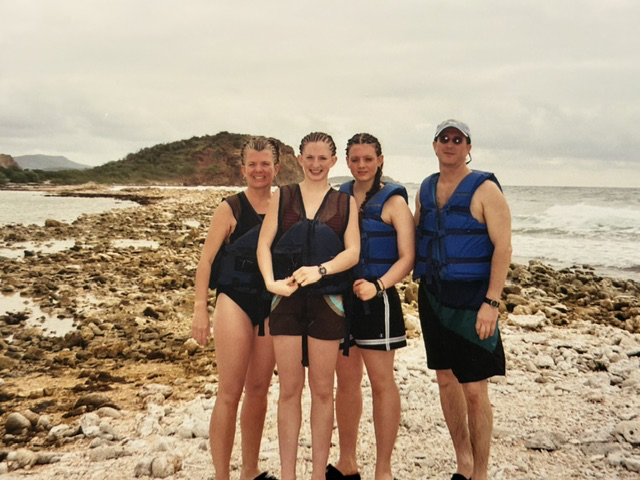
When we visited St. Croix, one of the places we wanted to explore was Salt River Bay National Historical Park and Ecological Preserve. Rather than simply seeing the park from shore, we explored it by kayak, which gave us an opportunity to experience the landscape from the water and see the mangroves and shoreline up close.
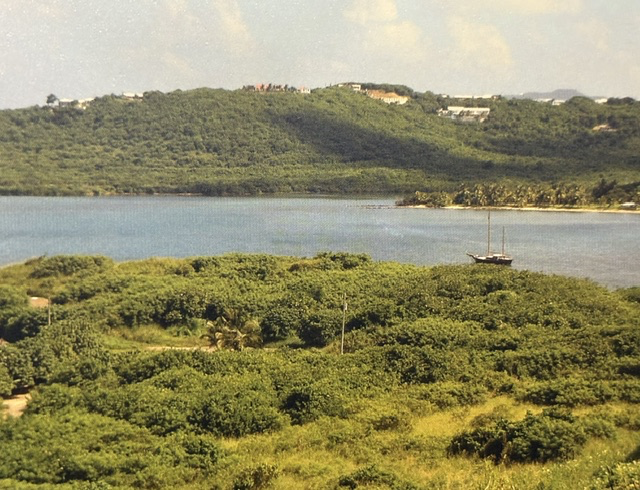
Salt River Bay is unusual within the National Park System because it protects both an important natural environment and layers of human history stretching back more than a thousand years. Archaeological evidence shows that Indigenous peoples lived around the bay for centuries before Europeans arrived, leaving behind settlement sites and ceremonial areas that have helped archaeologists better understand the early cultures of St. Croix.
The bay also has an important connection to Christopher Columbus. During his second voyage to the Americas, Columbus reached St. Croix in November 1493. Members of his expedition entered the Salt River Bay area and encountered Indigenous people. A violent confrontation followed, generally regarded as the first documented armed encounter between Europeans and Native peoples in what is now United States territory.
Centuries later, European powers continued to recognize the strategic importance of the bay. The French constructed Fort Salé here in the seventeenth century, and remains of the earthwork fortifications can still be found within the park.
The natural environment is just as important as its history. Salt River Bay contains one of the largest remaining mangrove forests in the U.S. Virgin Islands, along with seagrass beds, coral reefs, and a remarkable submarine canyon that drops into deep water just offshore. Together, these habitats support fish, birds, sea turtles, and a wide variety of other marine life.
Congress established Salt River Bay National Historical Park and Ecological Preserve in 1992 to protect this combination of archaeological sites, historic resources, and fragile coastal and marine ecosystems.
Read More From Nancy
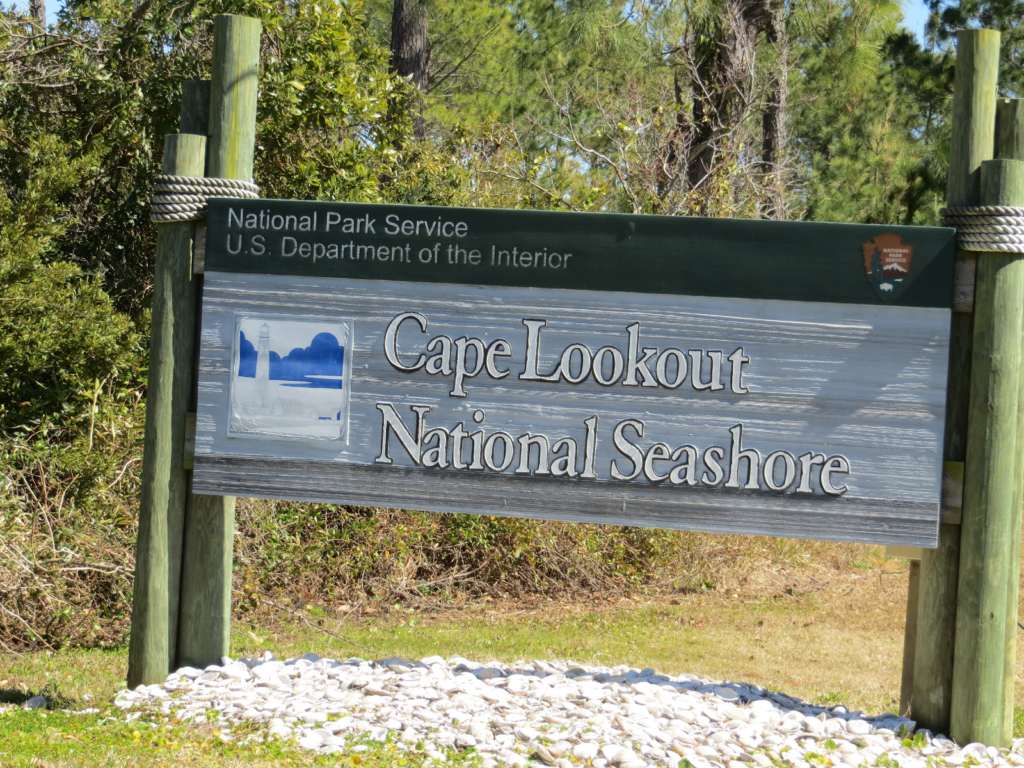
Cape Lookout National Seashore
Cape Lookout National Seashore stretches along the southern Outer Banks of North Carolina, protecting 56 miles of underdeveloped barrier islands. It feels wonderfully remote where ocean, dunes and marsh create a landscape that moves with the wind and tide. The seashore was authorized by Congress in 1966 and officially established in 1976, preserving the fragile barrier […]
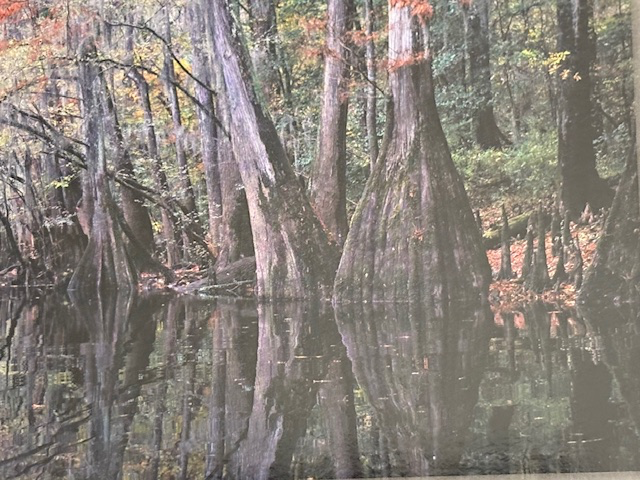
Congaree National Park
Located just outside Columbia, South Carolina, Congaree National Park protects one of the largest remaining tracts of old growth bottomland hardwood forest in the United States. This is a floodplain, shaped by the seasonal rise and fall of the Congaree River, which brings nutrients into the soil and allows the trees here to grow exceptionally tall. These […]
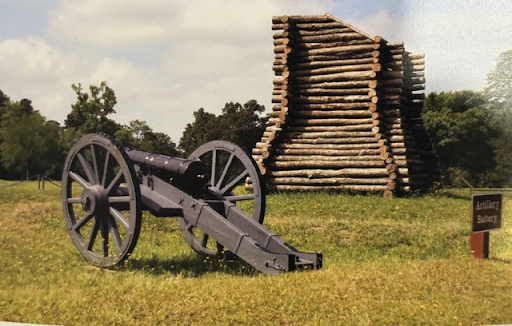
Ninety Six National Historic Site
Ninety Six National Historic Site in Ninety Six, South Carolina, preserves one of the most significant yet least-known battlefields of the American Revolution. Established as a National Historic Site in 1976, it tells the story of a frontier settlement where Native Americans, settlers, Loyalists, and Patriots all struggled for control of the South Carolina backcountry. […]

