Knife River Indian Villages National Historic Site
Knife River Indian Villages National Historic Site, near Stanton, North Dakota, preserves an important part of the story of the Northern Plains Indians who lived along the upper Missouri River. Here, visitors can explore the lives of the Hidatsa, Mandan, and Arikara peoples and learn about the established communities they created along these rivers.
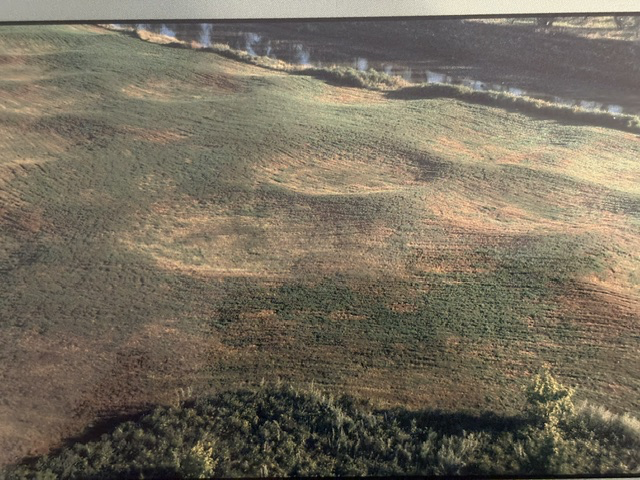
The shallow circular depressions visible across the landscape are among the most interesting features of the site. They are the remains of earth lodges that once formed substantial villages. These were not temporary camps. Families lived in large, circular homes constructed with heavy wooden frameworks covered with layers of earth. The people farmed the fertile river bottoms, growing corn, beans, squash, and sunflowers, while also hunting bison and participating in extensive trade networks.
The park has reconstructed a full-size Hidatsa earth lodge, allowing visitors to step inside and better understand how these homes were built and how families lived within them. The visitor center adds another dimension to the story through artifacts and exhibits, including examples of the artistry found in everyday objects and ceremonial clothing. Clothing, beadwork, tools, pottery, and other objects help reveal a culture that was both practical and highly artistic.
The villages were also important trading centers. Their location near the Knife and Missouri rivers brought Indigenous peoples from across the Northern Plains together to exchange food, hides, horses, tools, and other goods. Later, European and American traders entered these already well-established trading networks.
One of the best-known individuals connected with this area is Sacagawea. Born into the Lemhi Shoshone, she was captured as a young girl and brought to a Hidatsa village near the Knife River. When Lewis and Clark spent the winter of 1804–1805 at nearby Fort Mandan, Sacagawea was living in the area with French Canadian trader Toussaint Charbonneau. She would eventually accompany the expedition westward with her infant son.
Congress established Knife River Indian Villages National Historic Site on October 26, 1974, specifically to preserve the historic and archaeological remains of these Northern Plains communities
Read More From Nancy
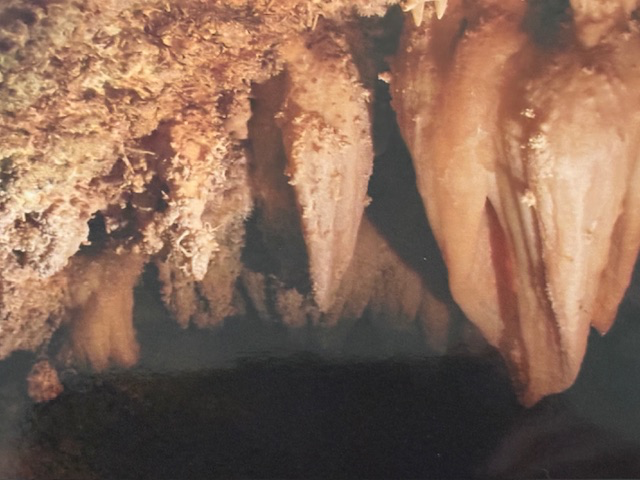
Timpanogos Cave National Monument
On a solo trip, I flew into Salt Lake City and made my way into the mountains towards Timpanogos Cave National Monument. The drive led me away from the city and into the Wasatch Range. The caves are hidden within the mountains and inside holds features that seem to ignore the rules: these delicate formations that […]
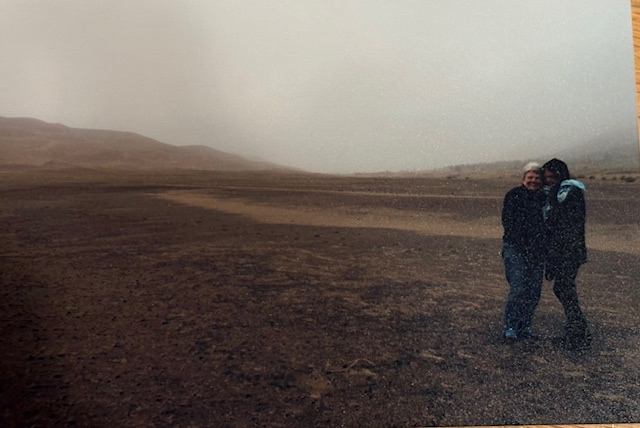
Great Sand Dunes National Park
A special trip to Colorado brough Erin and me there, where we met Emmy. When we met at the airport, the weather was warm and sunny, and it felt like the beginning of an easy day. We set off with the intention of visiting the Great Sand Dunes, expecting wide open skies and calm views. […]
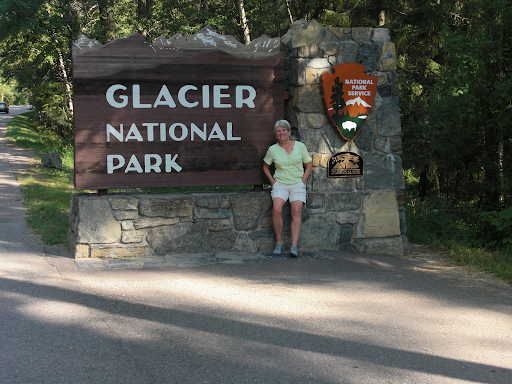
Glacier National Park
One of our most majestic national parks is also one of the few I have only been fortunate enough to visit once. Glacier National Park, located in northern Montana along the Canadian border, is part of a larger protected ecosystem that extends into Canada as Waterton Lakes National Park. Together they form the Waterton-Glacier-International Peace Park. This […]

