Colorado National Monument
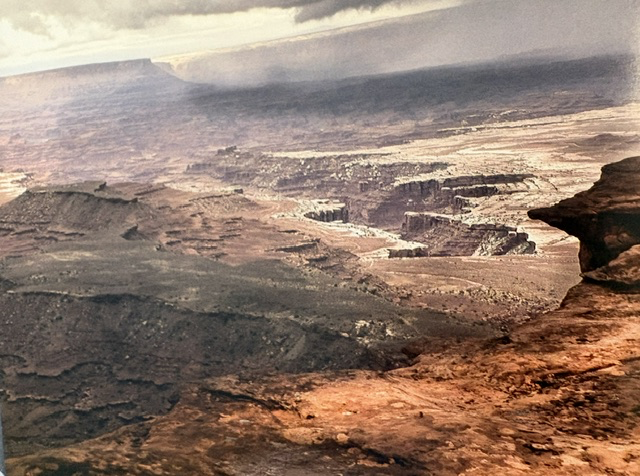
Colorado National Monument, near Grand Junction in western Colorado, is a landscape shaped by immense sandstone cliffs, deep canyons, and unusual rock formations. From the overlooks, the colorful formations rise dramatically above the surrounding desert, with the broad Grand Valley and distant mountains stretching across the horizon.
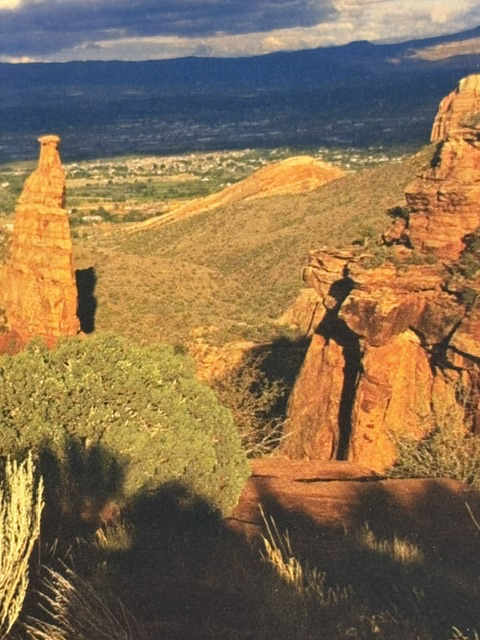
Colorado National Monument became a protected national monument on May 24, 1911, when President William Howard Taft established it under the Antiquities Act. Taft specifically cited the area’s “extraordinary examples of erosion” and their scientific importance as the reason the landscape deserved federal protection. It was only the second national monument established in Colorado and the seventeenth in the nation.
There is a wonderful individual behind its preservation. John Otto arrived in the area in 1906 and became almost obsessed with protecting these canyons. He built trails largely by hand, promoted the landscape to anyone who would listen, and campaigned for its designation as a national monument. When Taft finally established the monument in 1911, Otto became its first custodian.
Otto was also an adventurous climber. On July 4, 1911, he climbed the 450-foot sandstone tower now known as Independence Monument and raised an American flag on its summit. To make the ascent possible, he had hand-drilled holes into the rock and inserted iron pipes that served as a crude ladder. His climb began a local tradition that continues today, with climbers ascending Independence Monument each Fourth of July to raise the flag once again
One of the best ways to experience Colorado National Monument is the 23-mile Rim Rock Drive, which climbs above the Grand Valley and winds along the edges of the canyons, passing overlooks, rock formations, and three tunnels. Much of the road was constructed during the 1930s with the involvement of workers from the Civilian Conservation Corps
Read More From Nancy
Great Sand Dunes National Park
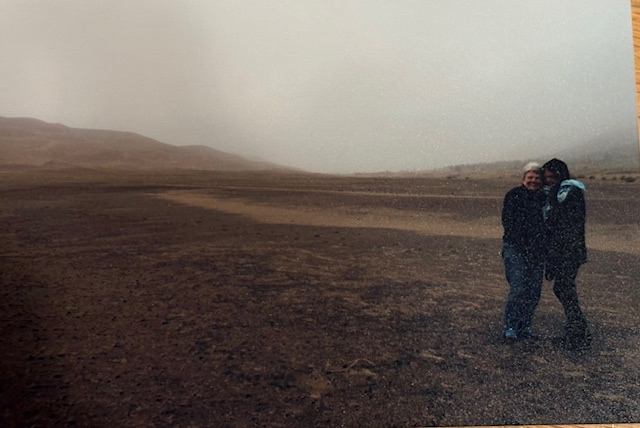
A special trip to Colorado brough Erin and me there, where we met Emmy. When we met at the airport, the weather was warm and sunny, and it felt like the beginning of an easy day. We set off with the intention of visiting the Great Sand Dunes, expecting wide open skies and calm views. […]

Grant-Kohrs Ranch National Historic Site
On a road trip to Glacier National Park, we took a few side trips to see more of the beautiful state of Montana. We followed long stretches of open road with expansive valleys and distant mountain ranges. One of our destinations along the way was the Grant-Kohrs Ranch. Coming from the East, it is difficult […]
Little Bighorn Battlefield Monument
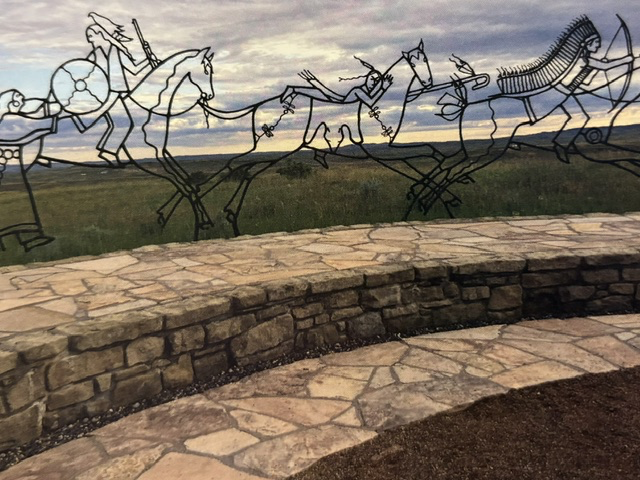
A visit to Little Bighorn Battlefield National Monument is a powerful reminder that history depends on whose story is being told. Located near Crow Agency, Montana, the battlefield preserves the site where one of the most famous encounters of the American West took place. On June 25 and 26, 1876, Lt Colonel George Armstrong Custer […]

