Mechanics Mill
Standing before the massive brick walls of Mechanics Mill, it is easy to admire its architecture. Yet the real story is not found in the building itself but in the thousands of men, women, and children whose lives revolved around it.
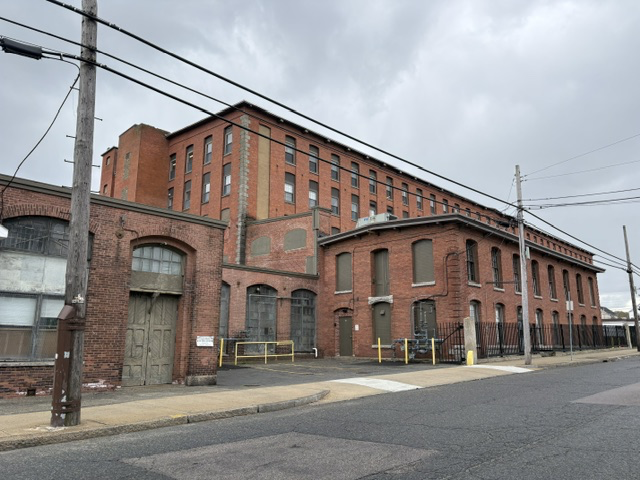
Completed in 1868, Mechanics Mill was one of the great textile mills that helped transform Fall River into one of the world’s leading cotton manufacturing centers. During the late nineteenth century, few American cities were more closely associated with the production of cotton cloth. Powered first by steam engines fueled with coal delivered from nearby wharves and later by electricity, the mills of Fall River produced millions of yards of fabric that were shipped across the United States and around the world.
The neighborhood that grew around this mill became known as Mechanicsville, taking its name directly from the factory. Before the mill was built, the area was largely farmland. Within a few decades it had become a thriving working-class community filled with boarding houses, churches, neighborhood stores, schools, and rows of modest homes occupied by mill families. The rhythm of daily life was set by the mill whistle, signaling the beginning and end of each workday.
Inside these walls, the work was demanding. Carding machines cleaned and aligned raw cotton fibers before they were spun into thread. Thousands of rapidly moving spindles twisted cotton into yarn, which was then woven into cloth by rows of power looms. The machinery operated almost continuously, filling the rooms with a deafening roar. Cotton dust floated through the air, coating workers and machinery alike. Summer heat inside the mill could be stifling, while the humidity was intentionally kept high to reduce thread breakage.
The work required constant attention. Broken threads had to be repaired immediately, machines needed continual adjustment, and workers spent long hours on their feet. Injuries were not uncommon, and before modern labor laws, shifts of ten to twelve hours a day, six days a week, were typical. Entire families often depended on the wages earned inside the mill, and children frequently joined the workforce at an age that would be unimaginable today.
The people who worked here reflected the changing face of America. Irish immigrants were among the first large groups to find employment in Fall River’s textile industry, followed by French Canadians, English, Portuguese, Polish, Lebanese, and many others. Each wave of newcomers brought new languages, customs, and traditions while sharing the common goal of building better lives for their families. Churches, ethnic societies, neighborhood clubs, and schools became the heart of Mechanicsville, helping preserve cultural identities while fostering a shared sense of community.
Despite the hardships, mill work offered opportunities that many immigrants had never known. A steady paycheck meant food on the table, children in school, and the possibility of owning a home. Many workers hoped that the sacrifices they made would allow the next generation to pursue different careers and broader opportunities. In many families, the mills became the first step toward a more secure future.
Mechanics Mill also witnessed the growing labor movement. As textile workers sought safer conditions, shorter hours, and fairer wages, labor organizations gained strength throughout New England. Strikes and negotiations became part of the city’s history, reflecting the determination of ordinary working men and women to improve not only their own lives but those of future generations.
Today, the machinery has long since fallen silent, but the building remains a powerful reminder of the people who gave it life. Mechanics Mill stands as a monument not only to the Industrial Revolution but to the resilience, determination, and aspirations of the thousands of workers whose lives were woven together within its walls.
Read More From Nancy
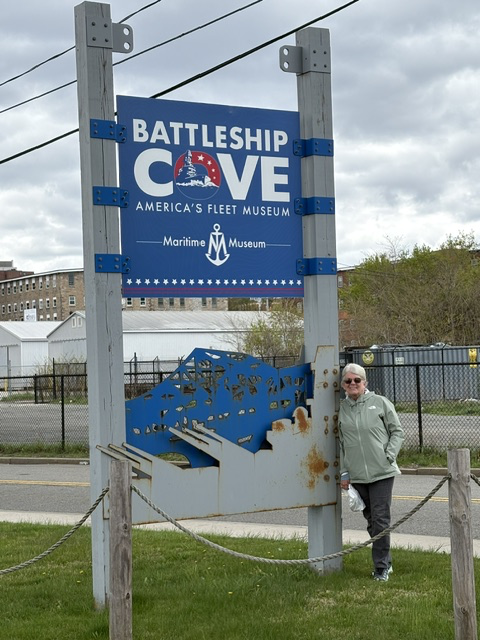
Battleship Cove
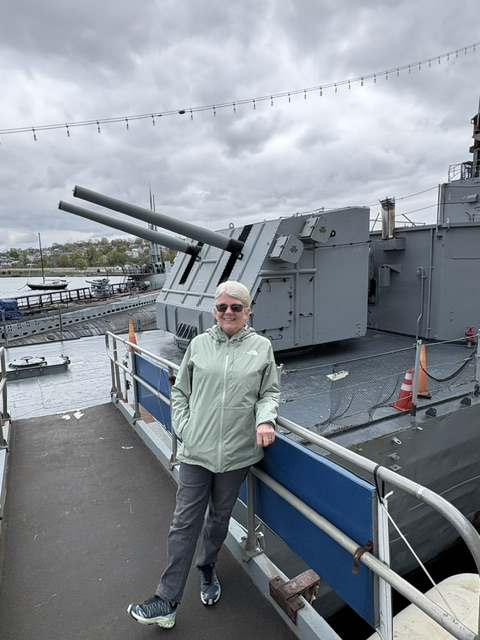
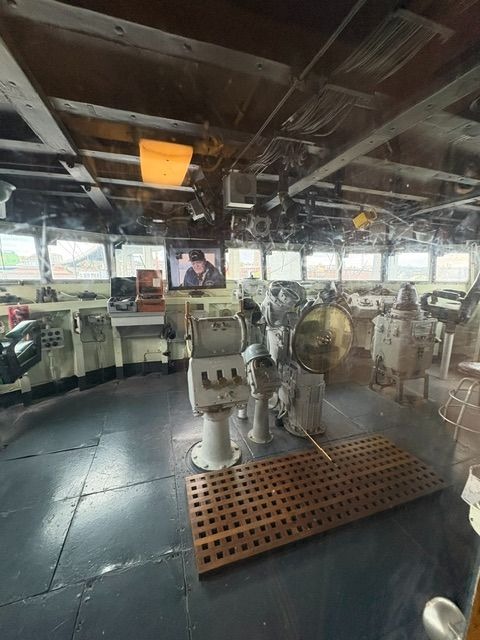
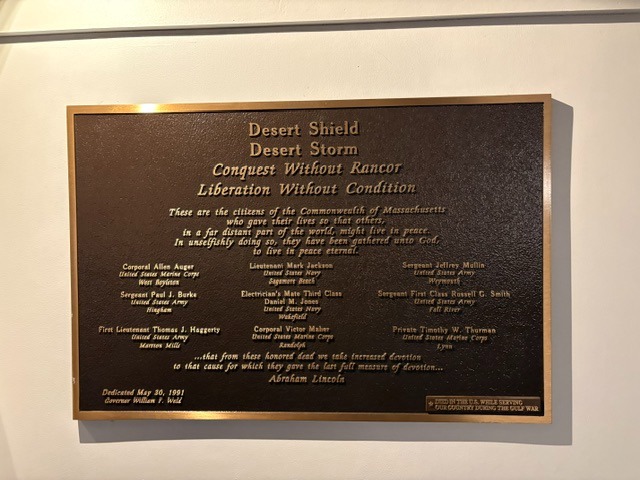
One of the highlights of our visit to Fall River was Battleship Cove, home to the largest collection of historic naval vessels in the world. Located along the waterfront of Mount Hope Bay, this remarkable museum preserves ships that served during World War II and the Cold War, allowing visitors to step aboard and experience […]
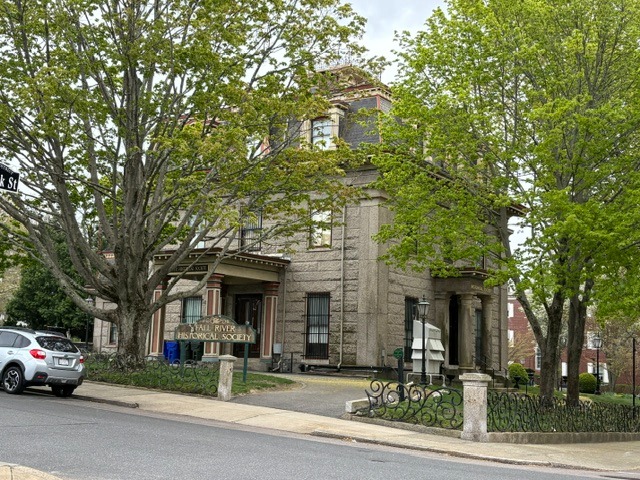
The Fall River Historical Society Mansion
The granite mansion at 451 Rock Street has occupied two locations and served several purposes during its long history. Built as a private home in 1843, it became associated with the Underground Railroad, underwent relocation and architectural transformation, and eventually became the home of the Fall River Historical Society. The house was originally constructed on […]
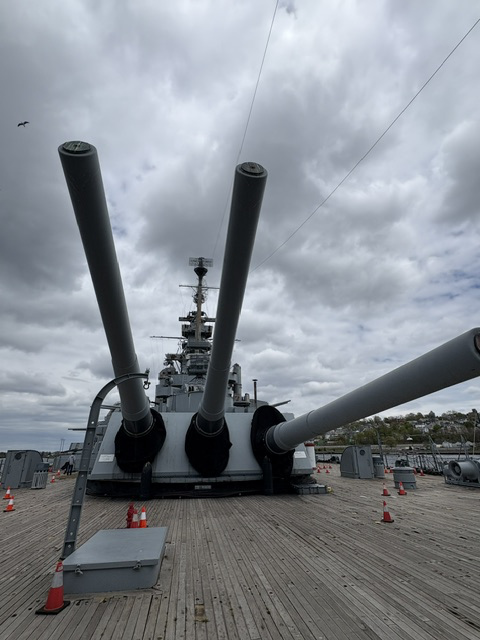
Gun Mounts of the USS Massachusetts
Standing on the wooden deck of the USS Massachusetts, I found myself face-to-face with one of the ship’s powerful 5-inch gun mounts. Though smaller than the famous 16-inch guns housed in the battleship’s massive turrets, these versatile weapons played a vital role in defending the ship against enemy aircraft and engaging surface targets during the […]

