A Doorway to the Maya World
Standing in the doorway of a reconstructed Maya temple façade at the National Museum of Anthropology in Mexico City is my daughter, Erin. During one of our trips together, we set aside a day to explore this remarkable museum, widely considered one of the finest museums of anthropology in the world. While its galleries are filled with extraordinary artifacts, it was exhibits like this that made the greatest impression on us.
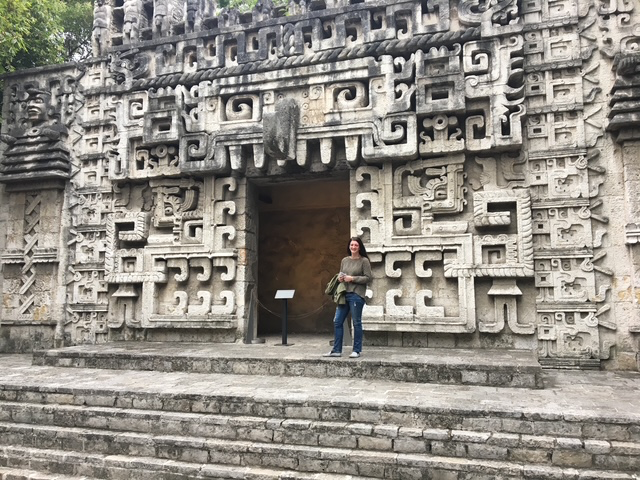
Rather than simply displaying sculptures, pottery, and carvings in glass cases, the museum recreates elements of the ancient world they came from. This life-sized façade, built in the Puuc architectural style of the Maya, allows visitors to experience the scale and craftsmanship of these remarkable buildings. Walking through the doorway, it becomes much easier to imagine what it would have been like to approach one of the great ceremonial centers of the Yucatán over a thousand years ago.
The Puuc style flourished between the seventh and tenth centuries in what is now the Yucatán Peninsula. Its buildings are recognized by their smooth lower walls and richly decorated upper façades, where thousands of carefully carved stones were assembled into intricate geometric mosaics. Every block was individually shaped and precisely fitted, creating patterns that have survived centuries of tropical weather and the passage of time.
One of the strengths of the National Museum of Anthropology is that it tells the story of Mexico through both its artifacts and its architecture. As we moved from gallery to gallery, we encountered not only priceless objects but also full-scale reconstructions that placed those objects in their original setting. The museum makes it possible to appreciate the achievements of civilizations such as the Maya, Aztec, Olmec, and Teotihuacan without leaving Mexico City.
Traveling with Erin made the visit even more memorable. We spent hours wandering through the exhibits, stopping to admire the details and imagining the people who designed, carved, and built these magnificent structures. By the time we left, we understood that the museum was much more than a collection of ancient objects. It was an introduction to the civilizations that shaped Mexico, and a reminder that sometimes the best way to understand history is to step through the doorway it leaves behind.
Read More From Nancy
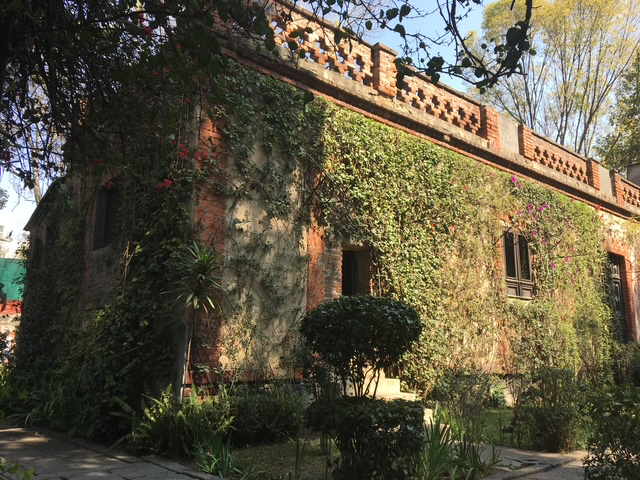
Ivy-Covered Walls of Trotsky House
At first glance, the exterior of the Trotsky House in Mexico City’s Coyoacán neighborhood seems almost inviting. Ivy climbs the weathered brick and stucco walls, softening the sharp lines of the building and giving it the appearance of a quiet family home that has peacefully settled into its garden over many decades. Sunlight filters through […]
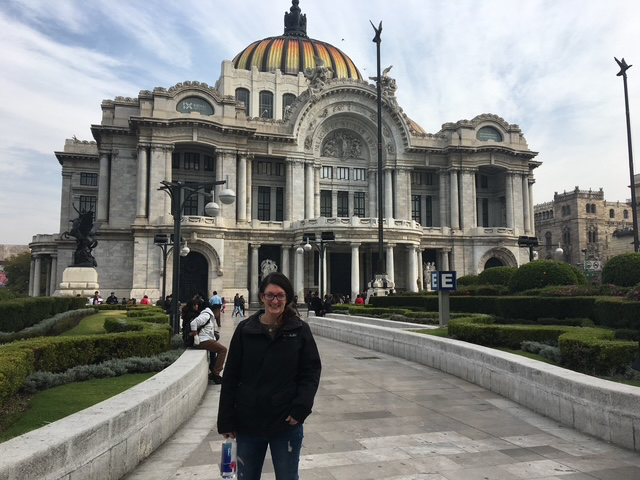
Palacio de Bellas Artes
For my 65th birthday, Erin surprised me with a trip to Mexico City. Erin and I have traveled the world together, and this was another journey we were able to share, one more place added to the long list of experiences we have created side by side. Here we are outside the Palacio de Bellas Artes, […]

