Hancock Shaker Village
When you visit Hancock Shaker Village, you are not simply touring historic buildings—you are stepping into one of the most successful communal societies in American history.
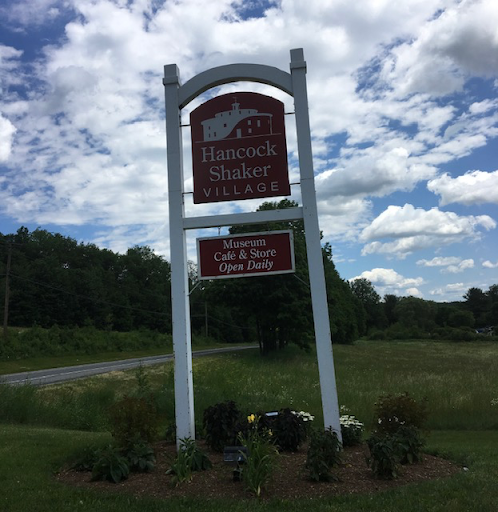
The village tells the story of the Shakers, whose commitment to faith, innovation, and craftsmanship transformed this corner of the Berkshires into a thriving community that still inspires visitors nearly two centuries later.
Founded in 1790, Hancock became the third of nineteen major Shaker communities established in America. During its most prosperous years, more than 300 Believers lived and worked together on over 3,000 acres of farmland. Organized into six “Families,” the community was built on the principles of equality, simplicity, celibacy, communal ownership, and the belief that work itself was an act of worship. Everything they built reflected those values.
Although the last Shakers left Hancock many years ago, the village has been beautifully preserved as a living history museum. Walking through the homes, workshops, gardens, and farm buildings offers a rare opportunity to understand not only how the Shakers lived, but why they lived as they did. Their furniture, architecture, inventions, and farming techniques continue to influence American design and craftsmanship today.
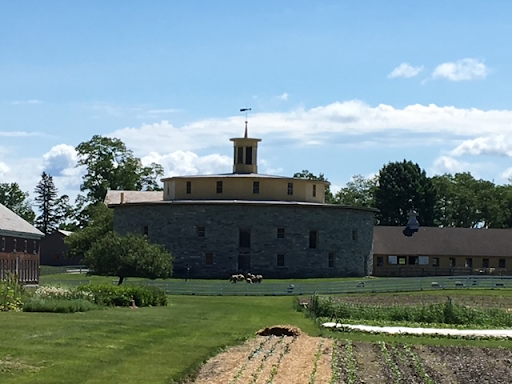
The centerpiece of the village is the remarkable Round Stone Barn, completed in 1826. It is the only surviving round stone barn ever built by the Shakers and has become the symbol of Hancock Shaker Village. Constructed for the community’s dairy operation, every aspect of its design reflected the Shakers’ desire to work efficiently. Wagons entered the upper level, unloaded hay into the massive central hayloft, and continued around the circular drive without ever needing to turn around. Below, more than fifty dairy cows stood in a circular arrangement facing inward, allowing them to be fed easily while manure dropped to the lower level to be collected for fertilizer. It was a remarkably advanced design for its time.
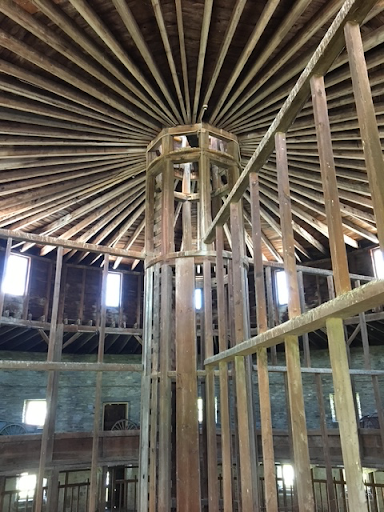
Stepping inside the barn is unforgettable. Looking upward, the massive hand-hewn timbers radiate from the center like the spokes of a giant wheel. The craftsmanship is remarkable, but even more impressive is the engineering. Nearly two hundred years after it was built, the barn remains both beautiful and practical, a testament to the Shakers’ belief that utility and excellence should always go hand in hand.
As I explored Hancock Shaker Village, I realized that the Round Stone Barn is much more than an architectural masterpiece. It represents a community that believed every task deserved to be done well, whether building a chair, planting a garden, or constructing one of the most innovative barns in America. The Shakers may no longer live here, but their legacy continues through this remarkable village, where visitors can still appreciate the values of simplicity, ingenuity, and craftsmanship that defined their way of life.
Read More From Nancy

The Breeches Buoy
A life ring with a pair of canvas trousers attached may seem an unlikely means of escaping a shipwreck. Yet the breeches buoy offered a way to bring people safely ashore when a stranded vessel was within reach of land and the surf made launching a rescue boat too dangerous. The exhibit in Chatham preserves […]
Pilgrim Hall Museum
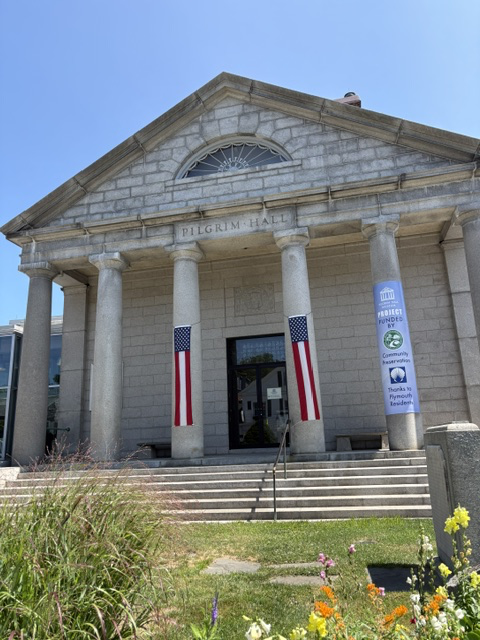
Just a few blocks from the Plymouth waterfront stands Pilgrim Hall Museum, another place where the story of Plymouth becomes tangible. Founded by the Pilgrim Society in 1824 and opened the following year, it is the oldest continuously operating public museum in the United States. The imposing granite building was designed specifically to preserve the […]
The Clark Art Institute
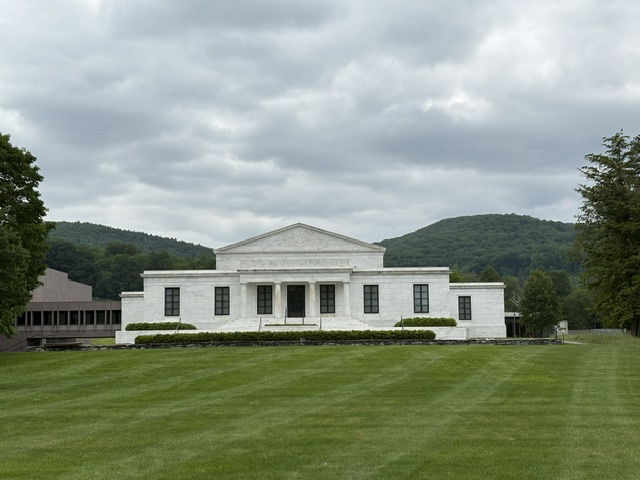
On Father’s Day, while we were camping at Mount Greylock State Reservation, Erin came to spend the day with us. We decided to head over to Williamstown and visit Clark Art Institute. We have visited the Clark many times over the years, but it is one of those museums that is always worth returning to. The […]

