The Eagle Hotel
Growing up in Concord, the Eagle Hotel was simply part of the downtown landscape. By the time I was old enough to notice it, however, its days as a grand hotel were already over. The Eagle Hotel closed its doors in 1961, when I was just a child, so I never had the opportunity to experience it as generations before me had. Looking back now, I realize that I grew up beside one of New Hampshire’s most important historic landmarks without fully appreciating its remarkable story.
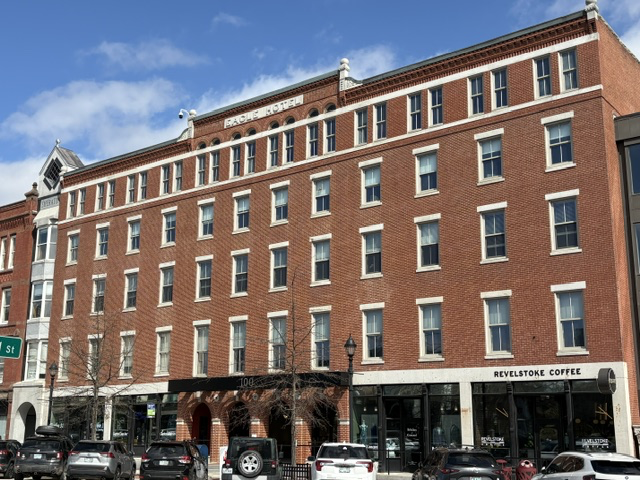
The Eagle Hotel stood directly across from the New Hampshire State House, making it the center of political life in the state for more than a century. The present building, completed in 1852 after an earlier Eagle Coffee House was destroyed by fire, welcomed legislators, governors, lobbyists, business leaders, and visitors from across the country. During legislative sessions, its lobby, dining room, and parlors became gathering places where ideas were exchanged, alliances were formed, and political decisions often began long before they reached the State House floor.
The hotel also hosted an impressive list of guests. Presidents Andrew Jackson, James K. Polk, Ulysses S. Grant, Rutherford B. Hayes, and Benjamin Harrison all visited or dined there. Charles Lindbergh, Eleanor Roosevelt, Richard Nixon, Thomas Dewey, and countless other national figures passed through its doors. Yet perhaps no guest is more closely associated with the Eagle Hotel than Concord’s own Franklin Pierce. After winning the presidential election in 1852, Pierce lived at the hotel while preparing to leave for Washington. It was during this period that he suffered the unimaginable loss of his only surviving son, Benjamin, who was killed in a tragic train accident just weeks before the inauguration. Pierce departed from the Eagle Hotel carrying a grief that many historians believe shaped both his presidency and the remainder of his life.
As I have learned more about Concord’s history, I have come to see the Eagle Hotel differently. What once looked like just another downtown building now represents an era when hotels served as the social and political centers of American cities. Before conference centers and modern office buildings, places like the Eagle Hotel were where leaders gathered, friendships were formed, and history quietly unfolded over meals and conversations.
The Eagle Hotel reminds me that our hometowns often hold extraordinary stories hidden within familiar buildings. Sometimes we must leave home—and then return—to truly see the history that has been there all along.
Read More From Nancy
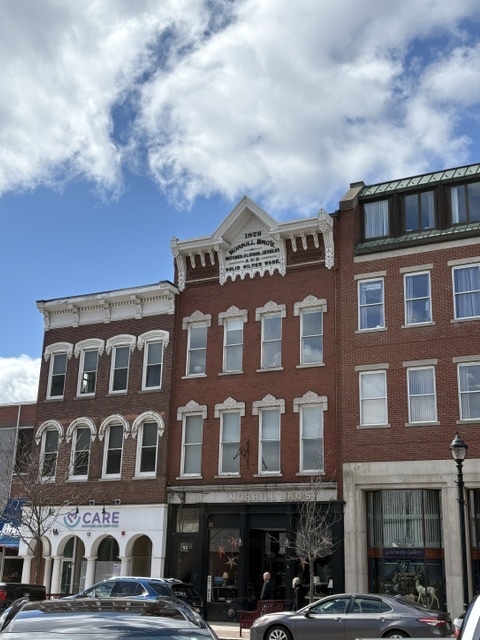
Morrill Brothers Building
Walking along North Main Street in Concord, the name high on this building immediately caught my attention: Morrill Bros. Just beneath it is the date 1876, while the lettering across the façade tells us exactly what customers once came here to purchase—watches, clocks, jewelry and solid silverware. The building dates to 1876 and was designed […]
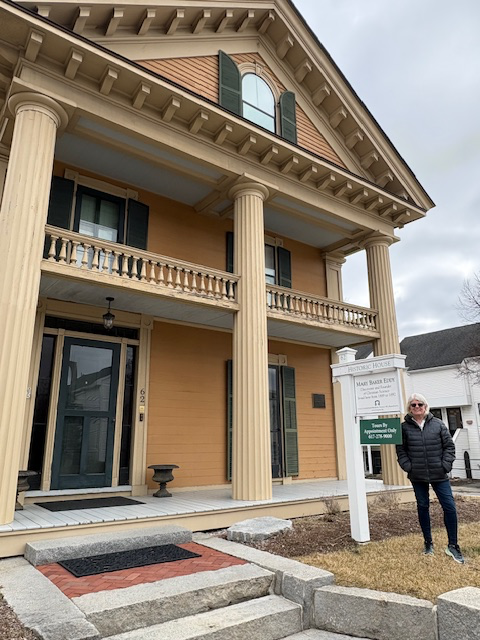
Mary Baker Eddy’s House
This house in Concord is part of Mary Baker Eddy’s earlier life, long before her broader recognition. When she lived here in the 1870s, she was not yet the established leader of a global religious movement. She was in a period of rebuilding, personally, financially and professionally. Born in nearby Bow in 1821, Mary Baker Eddy […]
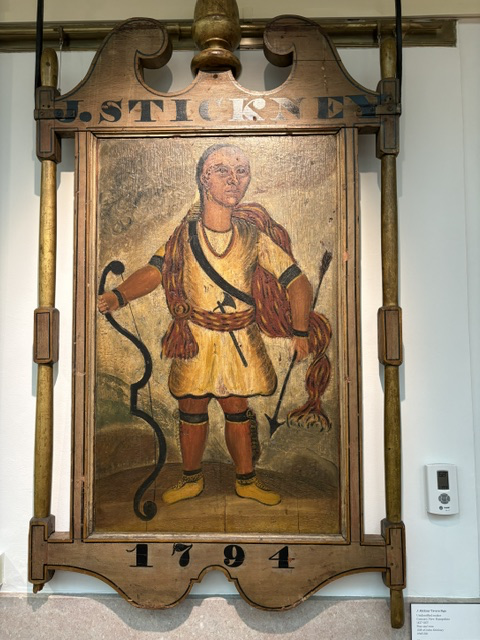
The J. Stickney Tavern Sign
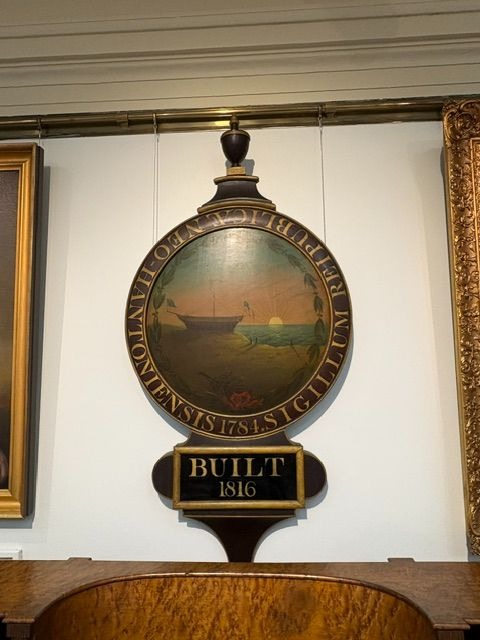
While exploring the New Hampshire Historical Society in Concord, I noticed this colorful wooden tavern sign. Like so many objects I encounter in museums, I photographed it because it caught my attention before I knew its story. The sign came from the Stickney Tavern, opened by William Stickney in 1791 near the corner of North […]

