Petersburg National Battlefield
Petersburg National Battlefield in Petersburg, Virginia, preserves the site of one of the longest and most important campaigns of the Civil War. Established as a national military park in 1926, it tells the story of the ten-month siege that ultimately led to the fall of both Petersburg and the Confederate capital of Richmond.
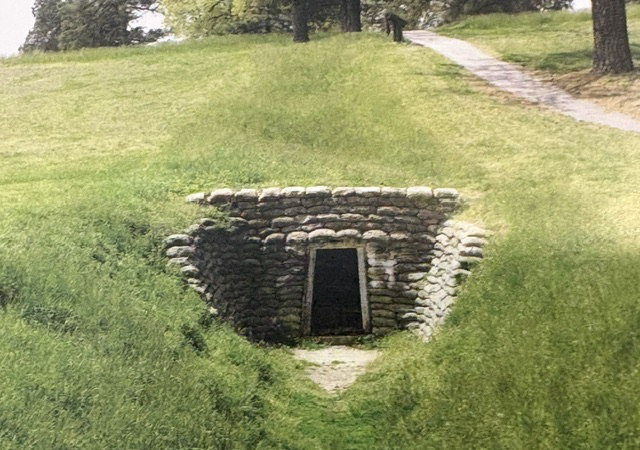
The earthwork shown here is one of the many fortifications that stretched for miles around the city. By 1864, Petersburg had become the lifeline of the Confederacy. Nearly all the railroads supplying Richmond passed through this city, making it one of the most strategic locations in the South. General Ulysses S. Grant understood that if Petersburg fell, Richmond could not survive.
What followed was a grueling ten-month siege. Soldiers on both sides dug miles of trenches and earthworks, creating a style of warfare that foreshadowed the trench fighting of World War I more than fifty years later. The campaign tested the endurance of both armies until Union forces finally broke through Confederate defenses on April 2, 1865. Richmond was evacuated the following day, and just one week later General Robert E. Lee surrendered at Appomattox Court House, effectively bringing the Civil War to an end.
Walking through Petersburg National Battlefield gives visitors a greater appreciation for the scale of the conflict. It is one thing to read about the siege in a history book; it is another to stand among the preserved earthworks and imagine thousands of soldiers living and fighting here for nearly a year.
One of the reasons I enjoy visiting National Park Service sites is that they allow us to experience history where it happened. Petersburg reminds us that the fall of Richmond was not the result of a single battle but of months of perseverance, sacrifice, and strategic planning. Standing among these quiet earthworks today, it is hard to imagine that they once marked the final turning point in one of the most defining chapters of American history.
Read More From Nancy
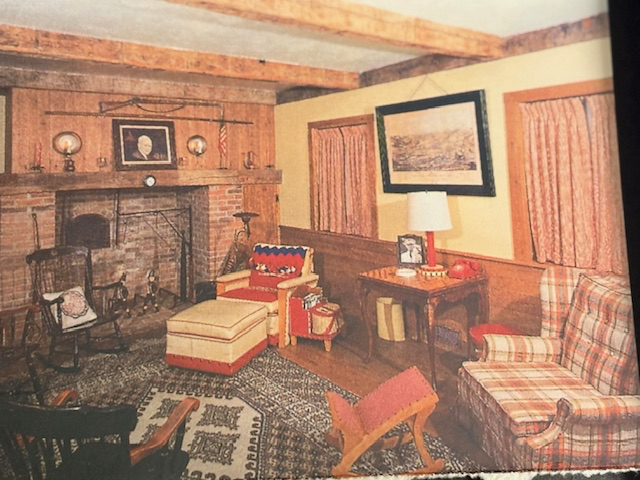
Eisenhower National Historic Site
In Gettysburg is the only home that Dwight D. Eisenhower ever owned. A leader during World War II and later President, he lived a life defined by service. The home, now preserved as the Eisenhower National Historic Site, reflects a different side of his life. This modest farm is quiet, practical and personal. Eisenhower purchased the […]
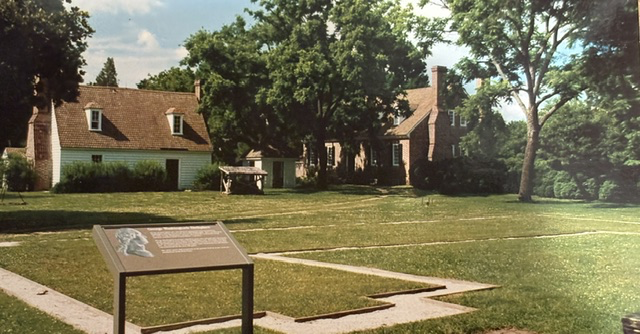
George Washington Birthplace National Monument
George Washington was born here on February 22, 1732, to Augustine and Mary Ball Washington. Although he spent only the first few years of his life at this plantation before the family moved to another property along the Potomac River, his birthplace is remembered as a significant historic site. The brick house is the Memorial House, constructed in […]
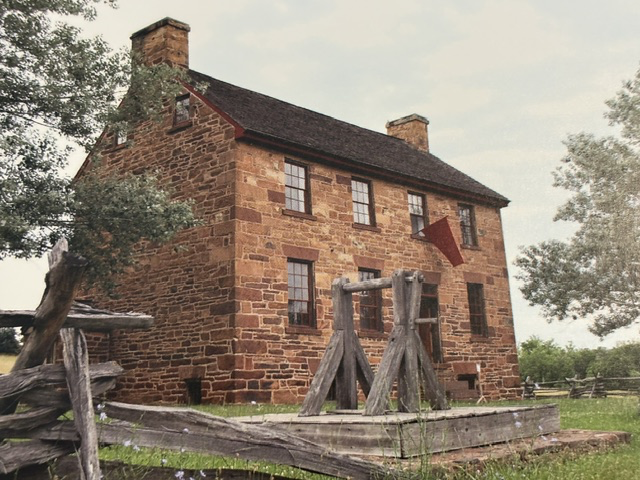
Manassas National Battlefield Park
The peaceful countryside preserved today at Manassas National Battlefield Park was the scene of two major Civil War battles. The First Battle of Manassas, or Bull Run, was fought here on July 21, 1861, and the armies returned for the much larger Second Battle of Manassas from August 28–30, 1862. Confederate forces prevailed in both […]

