Lincoln Boyhood National Memorial
Lincoln Boyhood National Memorial in Lincoln City, Indiana, preserves the farm where Abraham Lincoln spent fourteen of the most formative years of his life. Established as a National Memorial in 1962, the site commemorates the years from 1816 to 1830, when the Lincoln family settled on the Indiana frontier and young Abraham grew from a seven-year-old boy into a twenty-one-year-old man.
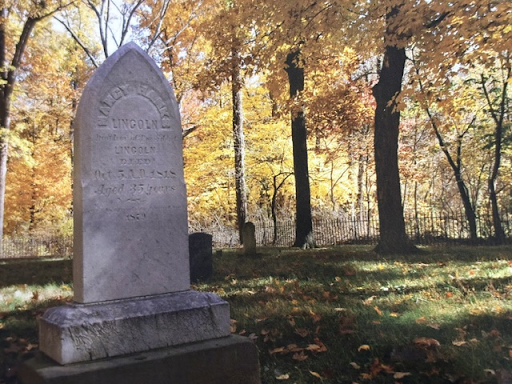
Today, the park includes a working pioneer homestead with a log cabin, split-rail fences, gardens, livestock, and costumed interpreters who demonstrate what daily life was like on the frontier. Walking through the homestead offers visitors a glimpse into the demanding world that shaped one of America’s greatest presidents.
One of the most moving places within the park is the memorial to Nancy Hanks Lincoln, Abraham Lincoln’s mother. She died in 1818 from milk sickness when Abraham was just nine years old and was buried near the family farm. Lincoln rarely spoke publicly about his mother, but he later reflected, “All that I am, or hope to be, I owe to my angel mother.” Standing near her gravesite, it is easy to appreciate how deeply that loss affected him.
What impressed me most during my visit was realizing how much of Lincoln’s character was formed here. Long before he became president, he learned the values of hard work, perseverance, self-education, and personal responsibility while helping his family clear forests, plant crops, build fences, and survive on the Indiana frontier. His formal education amounted to little more than a year, yet he developed an insatiable love of reading, borrowing every book he could find.
Visiting Lincoln Boyhood National Memorial reminded me that greatness often has humble beginnings. It was here, far from the political world of Washington, that the experiences, hardships, and values that would define Abraham Lincoln were first forged. Standing on this quiet Indiana farm, it becomes easier to understand how a boy raised on the frontier grew into the leader who would guide the nation through its greatest crisis.

Read More From Nancy

Indiana Dunes National Park
On our cross-country family road trip in 1995, we stopped at the Indiana Dunes National Park. The massive sand dunes stretch along the southern shore of Lake Michigan and they are interwoven with wetlands and beaches. The dunes were formed over thousands of years as glaciers retreated in the wind and water shaped the sand into ridges […]
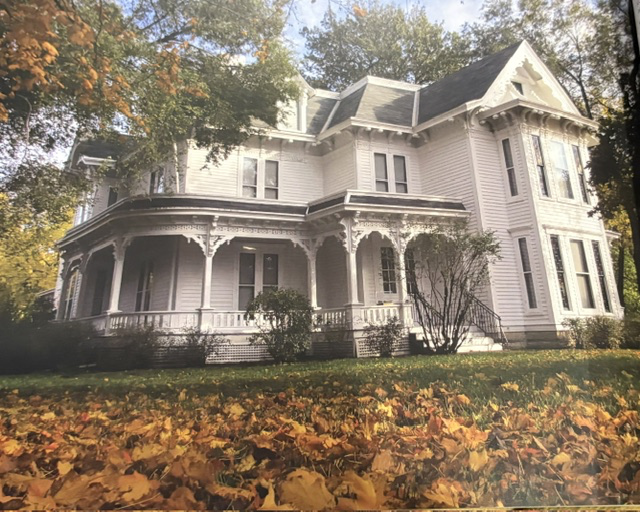
Harry S. Truman National Historic Site
Harry S. Truman National Historic Site in Independence, Missouri, preserves the home where America’s thirty-third president lived for most of his adult life. Established as a National Historic Site in 1983, the house tells the story of a man who, despite becoming one of the most powerful leaders in the world, never lost his connection […]
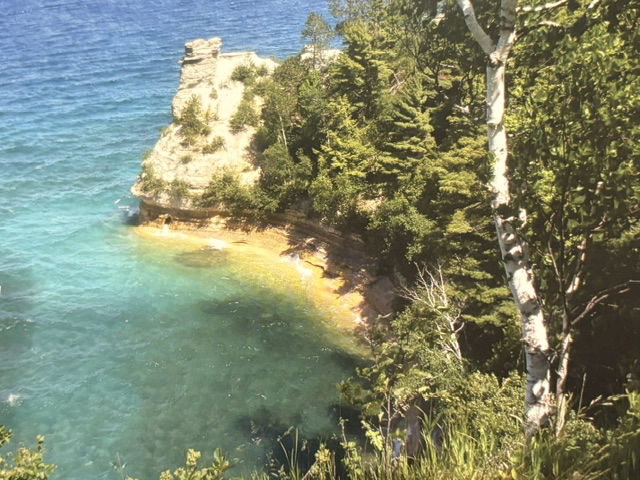
Pictured Rocks National Lakeshore
Pictured Rocks National Lakeshore in Munising, Michigan, was the first National Lakeshore established in the United States when it was created in 1966. Stretching for more than 40 miles along the southern shore of Lake Superior, it preserves a remarkable landscape of colorful sandstone cliffs, secluded beaches, waterfalls, forests, sand dunes, and crystal-clear water. Erin […]

