George Washington Memorial Parkway
The George Washington Memorial Parkway is unlike most units of the National Park System. Established in 1930, it was designed not simply as a scenic roadway, but as a living memorial to George Washington. Stretching for nearly 25 miles along the Potomac River, it links many of the places most closely associated with our nation’s first president while preserving the natural beauty of the river that shaped the early history of the capital.
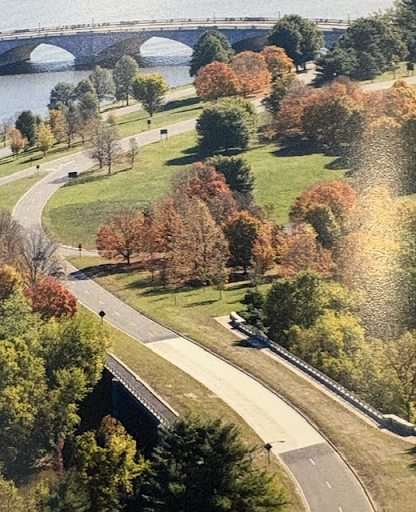
The parkway connects Mount Vernon, George Washington’s home, with Old Town Alexandria, Arlington House, Theodore Roosevelt Island, the monuments of Washington, D.C., and Great Falls Park. Along the way, it offers remarkable views of the Potomac River while protecting historic landscapes that might otherwise have been lost to development.
Driving the George Washington Memorial Parkway is much more than taking a scenic route. It is a journey through the history of our nation’s founding. Each stop tells a different part of Washington’s story, from his years as a Virginia planter, to his leadership during the American Revolution, to his role in establishing the new federal capital along the Potomac.
I have driven this parkway many times over the years, often stopping to explore one of its historic sites or simply to enjoy the views of the river. It is one of those places where the journey itself becomes part of the experience. Rather than rushing from one destination to another, the parkway encourages visitors to slow down and appreciate both the landscape and the history that surrounds them.
One of the reasons I enjoy visiting units of the National Park System is that they preserve not only individual historic sites, but also the connections between them. The George Washington Memorial Parkway reminds us that history is often best understood not by visiting a single place, but by following the paths that linked people, events, and ideas together.
Read More From Nancy

Clara Barton National Historic Site
One of the most memorable stops during a family road trip was the Clara Barton National Historic Site in Glen Echo, Maryland. This tells the story of a woman whose life was devoted to service, compassion and humanitarian aid. The large Victorian house served as Clara Barton’s home during the final fifteen years of her […]
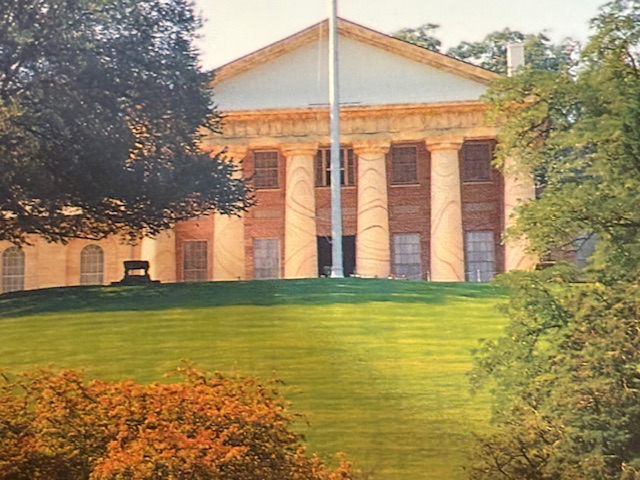
Arlington House, Robert E. Lee Memorial
Arlington House, The Robert E. Lee Memorial sits high above the Potomac River, its columns facing directly toward Washington D.C. The home was built between 1802 and 1818 by George Washington Parke Custis, who intended it as a living memorial to his step-grandfather, George Washington. From its earliest days, this was designed to honor the legacy of […]
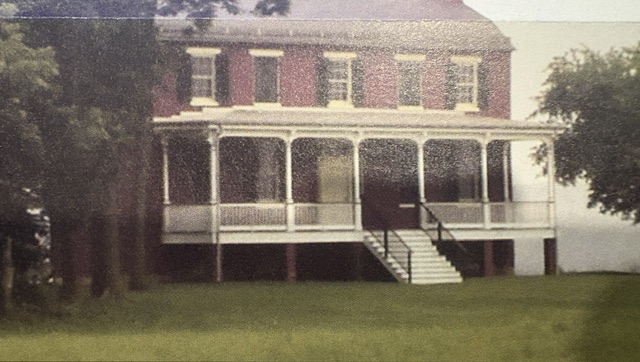
Monocacy National Battlefield
On July 9, 1864, Union and Confederate forces met along the Monocacy River near Frederick, Maryland. The battle formed part of the third and final Confederate invasion of the North. Lieutenant General Jubal A. Early hoped to threaten Washington, D.C., draw Union troops away from Virginia and possibly influence the approaching presidential election. After learning […]

