My Father and the YMCA
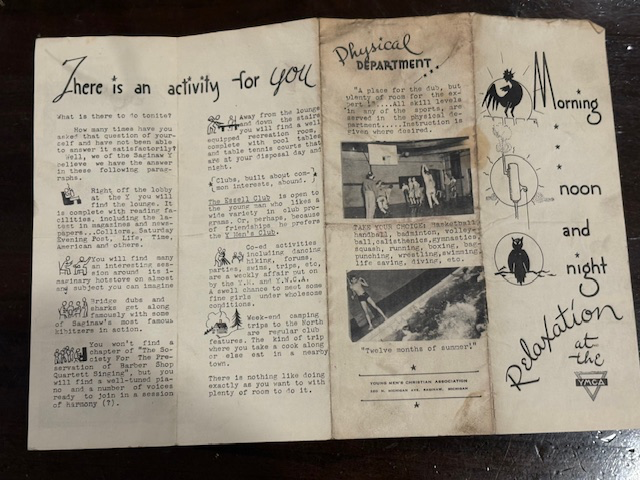
Among my father’s papers was this brochure from the YMCA where he lived after leaving the training program he had been attending with Sister Celeste in Michigan. Looking through its pages, I can almost sense the excitement of a young man eager to experience life on his own. The brochure promises far more than just a room. It advertises a lounge, reading room, games, dances, crafts, athletic facilities, and opportunities to meet new friends. For a young man, it must have represented independence and the beginning of adulthood.
Founded in London in 1844, the Young Men’s Christian Association (YMCA) had grown into an international organization dedicated to providing safe housing, wholesome recreation, education, and spiritual support for young men who had left home to work or study. By the late 1930s and early 1940s, YMCAs across the United States had become an important part of community life. For thousands of young men arriving in unfamiliar cities, they offered an affordable place to live, meals, friendships, and a sense of belonging during a time of enormous change.
For my father, however, this chapter was short-lived. Moving into the YMCA seems to have been a quiet act of independence, a desire to step away from the structure of the training program and discover life on his own terms. It may even have felt like a small rebellion, the natural longing of a young man eager to make his own decisions.
History, however, had other plans.
By this time, the Second World War had engulfed much of the world, and after the United States entered the war in December 1941, the military draft quickly became a reality for young men across the country. My grandmother urged him to return home to Martinsburg, West Virginia, so that he could register for military service from his home state. Family responsibilities and national duty soon replaced dreams of independence.
This simple YMCA brochure captures a moment suspended between youth and adulthood. For a short time, my father experienced the freedom of living on his own, surrounded by other young men beginning their own journeys. Within months, many of those same young men, including my father, would find themselves serving a nation at war.
Read More From Nancy
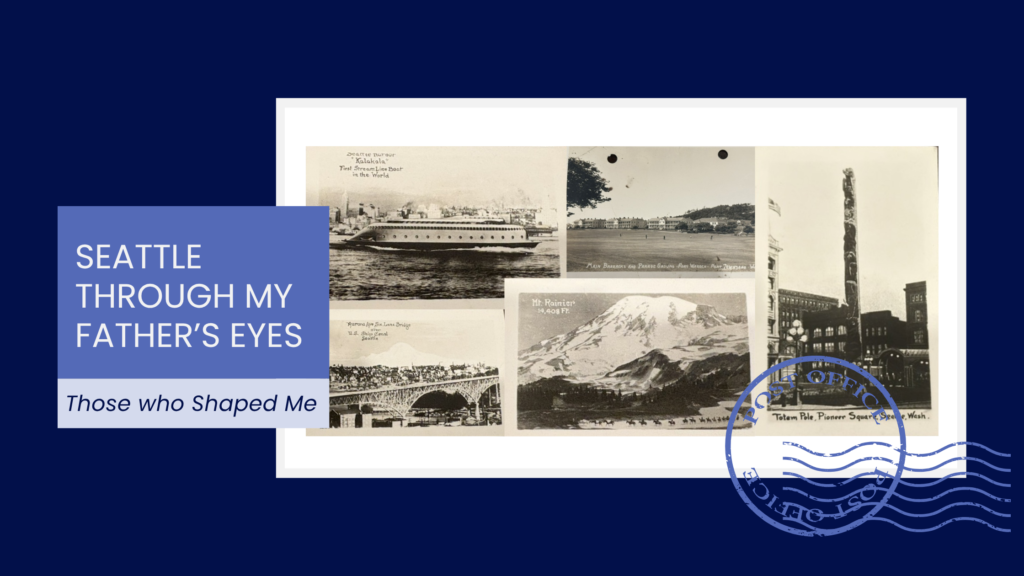
Seattle Through My Father’s Eyes
Inside are miniature commercial souvenir photographs showing some of the places my father was seeing: Mount Rainier, Seattle’s waterfront, Pioneer Square and the Aurora Bridge with Mount Rainier visible beyond the city. They weren’t photographs my father took himself. They were commercially produced souvenirs that a traveler or serviceman could purchase and send home. But […]
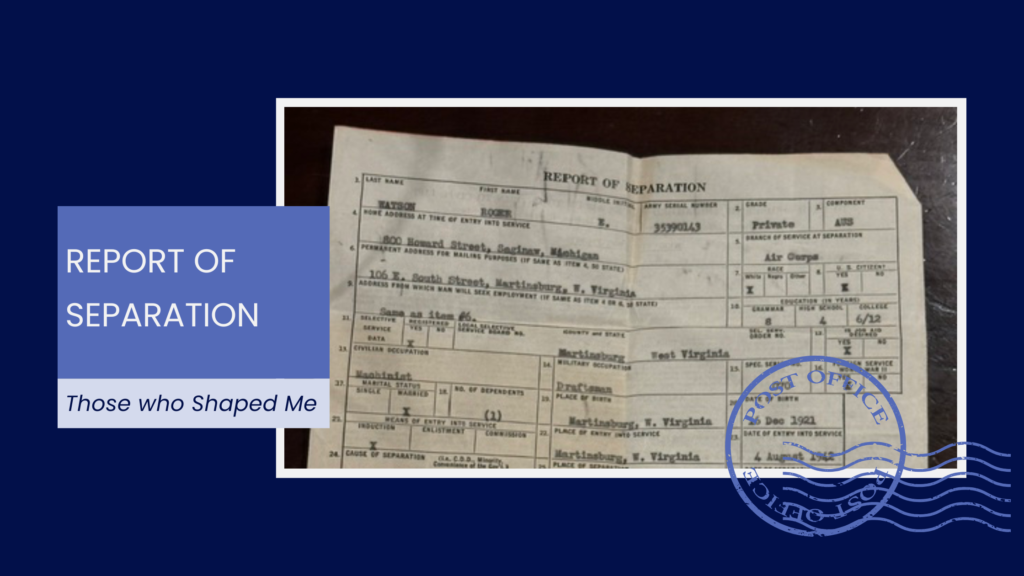
Report of Separation
This worn piece of paper is one of the most important documents in my father’s collection. Officially titled a Report of Separation, it marked the end of his military service in the United States Army Air Corps and authorized his honorable discharge on August 16, 1944. At first glance, it appears to be little more than a […]
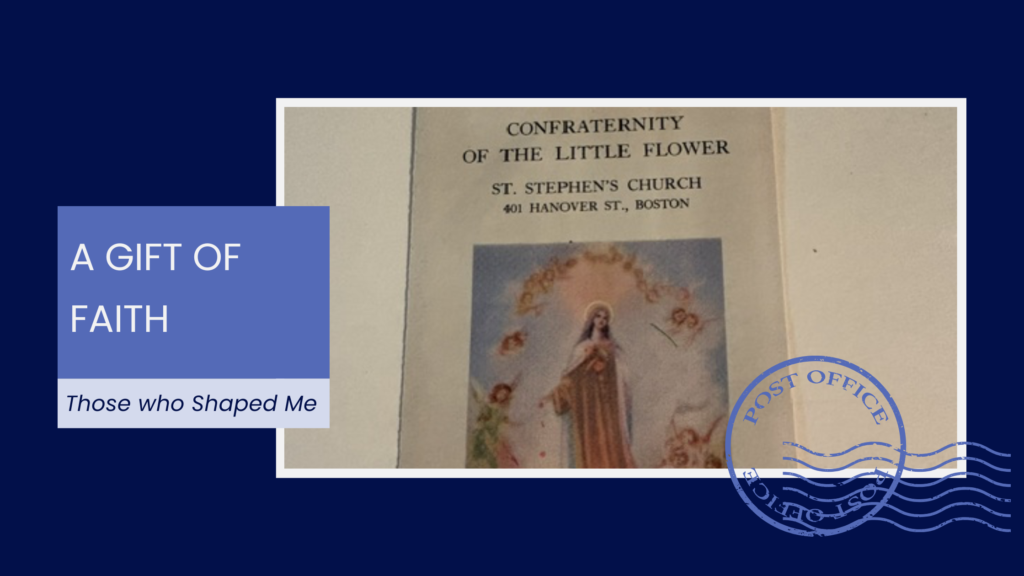
A Gift of Faith
As I continue exploring the papers my parents left behind, I occasionally come across a document that tells a story far beyond the words printed on the page. This small membership card in the Confraternity of the Little Flower is one of those discoveries. The card enrolled my father, Roger E. Watson, for one year […]

