The Clock Tower
Standing at the heart of Wellesley Hills is one of the town’s most recognizable landmarks: the Clock Tower. Officially known as the Isaac Sprague Memorial Tower, it was erected in 1928 and has become a symbol of both the village and the civic spirit that helped shape Wellesley.
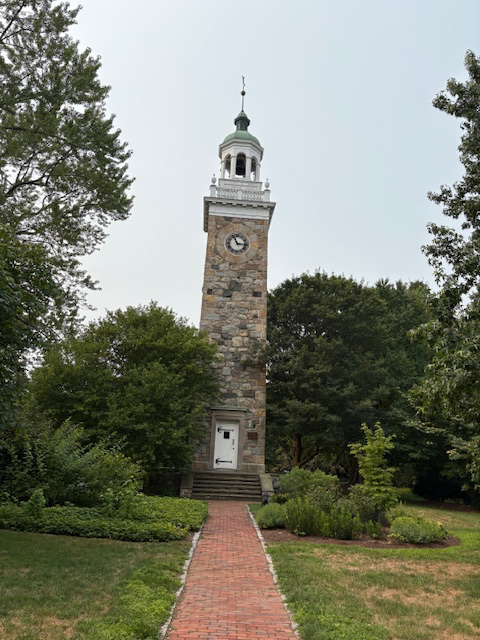
The tower itself was designed by local architect Benjamin Proctor Jr. and constructed from fieldstone donated by Isaac Sprague, one of Wellesley’s most influential citizens. Yet the story behind the tower reaches back much further. The clock and bell housed within it were originally given in 1874 by John W. Shaw “to the Town of Needham for the Village of Grantville” and installed it in the Shaw School, which stood nearby. When the old school was demolished in the 1920s, residents strongly opposed moving the clock and bell out of the village. A committee chaired by Isaac Sprague spent several years searching for a suitable home, eventually deciding to build a tower that would preserve these cherished symbols for future generations.
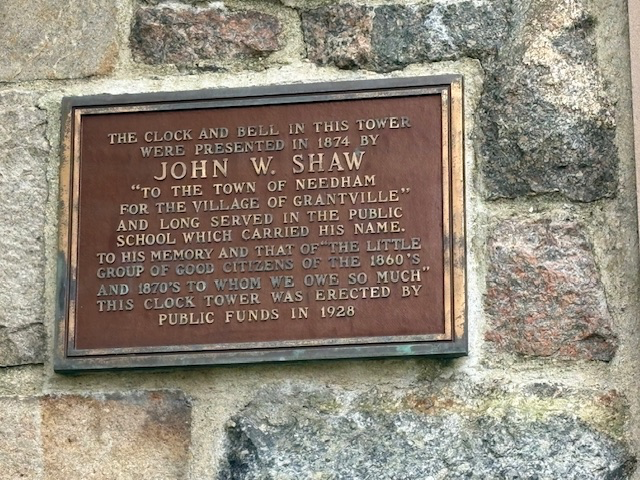
The bronze plaque at the base of the tower honors John W. Shaw and “the little group of good citizens of the 1860s and 1870s to whom we owe so much.” Shaw was not only a generous benefactor but also one of the leaders who championed the separation of Wellesley from Needham, helping bring about the incorporation of the town in 1881. His gifts and civic vision left a lasting imprint on the community.
One of the most remarkable aspects of the Clock Tower is that it exists because ordinary citizens cared enough to preserve a piece of their history. Rather than allowing the clock and bell to disappear, residents raised funds, donated materials, and worked together to create a landmark that has stood for nearly a century. Today, the tower remains the focal point of Clock Tower Park and a reminder that communities are shaped not only by grand events, but also by the generosity and dedication of those who came before us.
Read More From Nancy
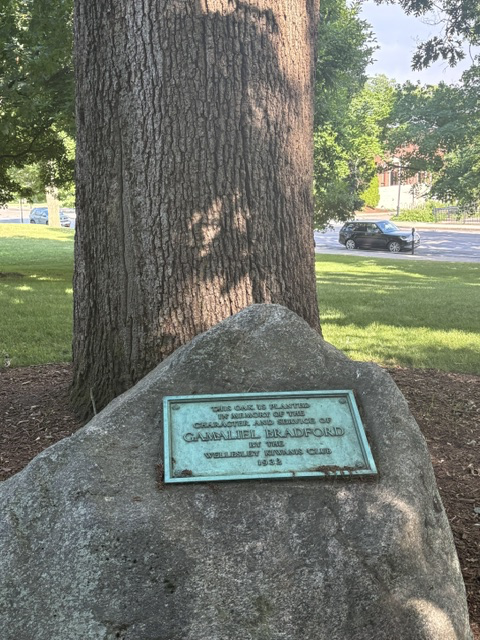
Gamaliel Bradford Memorial Oak
A mature oak tree in Wellesley stands as a living memorial to Gamaliel Bradford, an American writer who spent much of his life in the community. A bronze plaque mounted on a nearby stone explains its purpose: “This oak is planted in memory of the character and service of Gamaliel Bradford by the Wellesley Woman’s […]
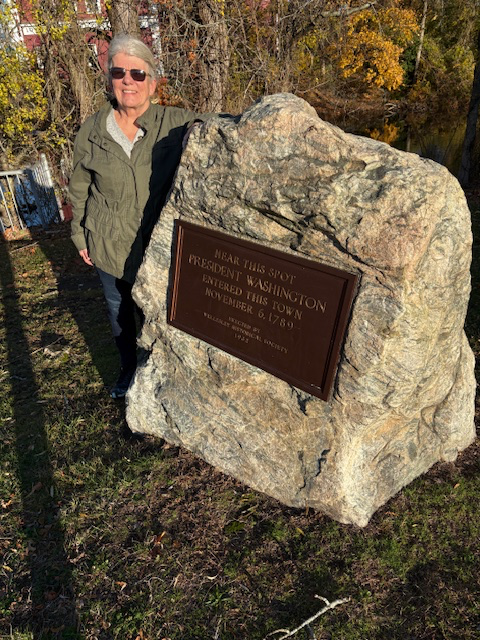
George Washington’s Visit
While exploring Wellesley, I came across this marker commemorating an event that took place during George Washington’s tour of New England in 1789. Near this spot, on November 6 of that year, the nation’s first president entered what was then part of Needham. His journey through New England was intended to strengthen the ties between […]
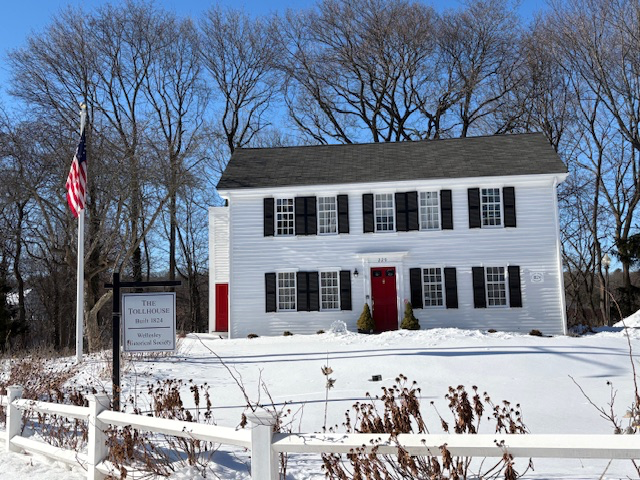
The Toll House
I have driven by this house too many times to count and had not thought to learn more. The Toll House in Wellesley is one of those places that quietly sits in the background, until you take a moment to understand what it once was. Built in 1824 by Daniel Dadmun, one of the early tollkeepers on […]

