W.E.B. Du Bois Boyhood Homesite
While exploring the Berkshires, we made a stop at the W. E. B. Du Bois Boyhood Homesite near Great Barrington, Massachusetts. Although little remains of the house itself, the site marks the place where one of America’s most important intellectuals, writers, and civil rights leaders spent his early years. Standing by the sign, it was remarkable to think that this quiet corner of western Massachusetts helped shape a man whose influence would eventually reach around the world.
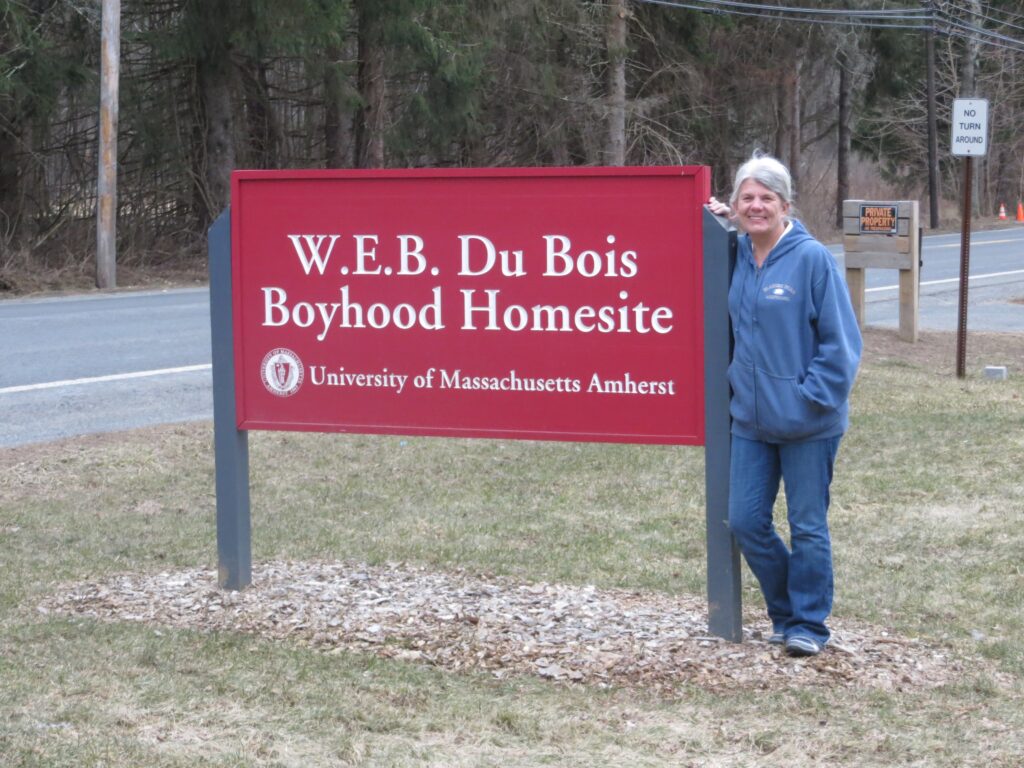
William Edward Burghardt Du Bois (1868–1963) was born in Great Barrington and spent much of his childhood here. Growing up in a relatively integrated New England community gave him opportunities that were rare for African Americans in the nineteenth century. A gifted student, he went on to graduate from Fisk University, Harvard University, and later became the first African American to earn a doctorate from Harvard.
Du Bois devoted his life to scholarship and the pursuit of racial equality. He was a founder of the NAACP and editor of its magazine, The Crisis, through which he advocated for civil rights and challenged the injustice of segregation and discrimination. His landmark 1903 book, The Souls of Black Folk, remains one of the most influential works in American history and introduced the concept of “double consciousness,” describing the experience of African Americans living in a divided society.
The homesite itself sits on land that once belonged to his maternal grandparents. Though the original house no longer stands, the landscape and nearby trails provide visitors with an opportunity to reflect on the formative years of a man who became one of the foremost voices for equality and social justice in the twentieth century. In recognition of its importance, the property was acquired and preserved by the University of Massachusetts Amherst, ensuring that future generations would remember Du Bois’s roots in the Berkshires.
Visiting this modest site served as a reminder that greatness often begins in ordinary places. Far from the large cities where he would later make his mark, W. E. B. Du Bois’s journey began here among the hills and fields of western Massachusetts. His life stands as a testament to the power of education, perseverance, and the conviction that ideas can change a nation.
Read More From Nancy
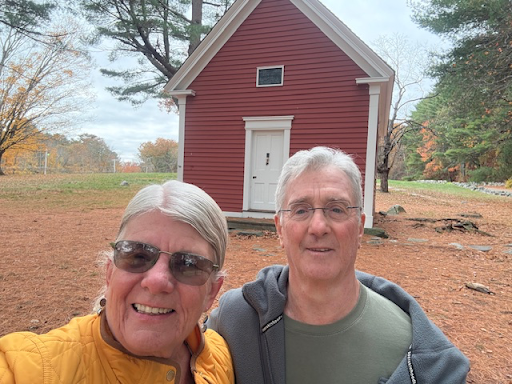
The Red Stone School
When Henry Ford purchased the Wayside Inn in 1923, he saw more than an old colonial tavern, he saw the beginnings of a “living village”. He wanted a place where the essential virtues of early American life could be preserved. He wanted a community in which each building represented a foundation value. This schoolhouse would be the place where discipline […]
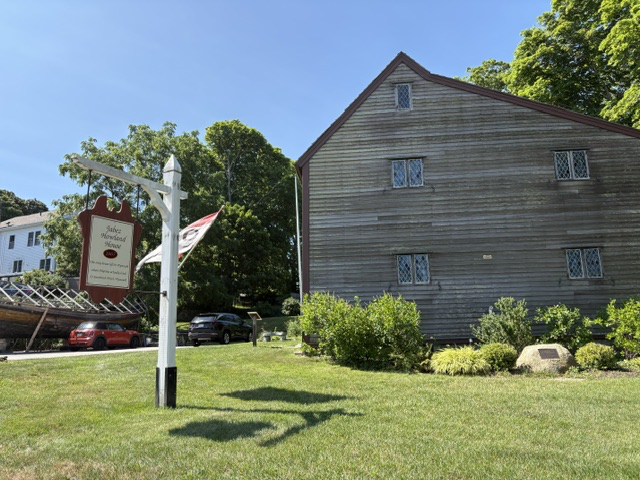
The Jabez Howland House
Among the many historic houses in Plymouth, the Jabez Howland House has a distinction that makes it extraordinary. Built about 1667, it is considered the only surviving building in Plymouth where people who actually arrived aboard the Mayflower are known to have spent time. Those people were John Howland and his wife, Elizabeth Tilley Howland. […]
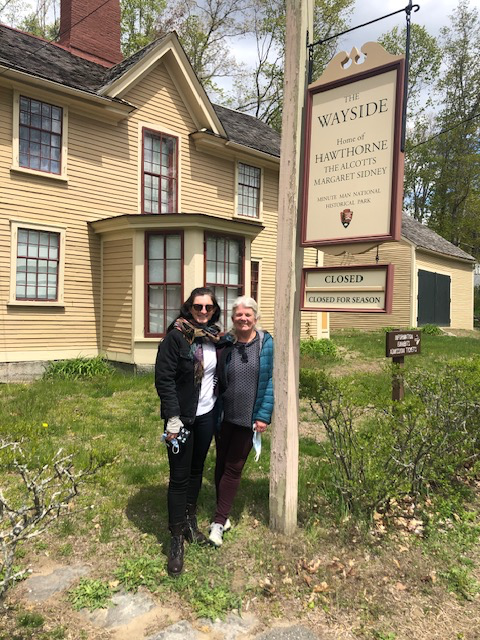
The Wayside
There are houses that preserve history, and then there are houses that helped shape it. The Wayside in Concord, Massachusetts, is one of those extraordinary places. This house has always held a special place in our family’s story. Both of our daughters gave tours here, sharing the remarkable history of the people who lived within […]

