Praca dos Amores
During our first trip to Brazil to teach a group of pediatric chiropractors, we found ourselves in the city of Itapetininga, a place few Americans have ever heard of but one that left a lasting impression on us. Thanks to the generosity of our hosts, we were able to experience the city not as tourists, but as guests and friends.
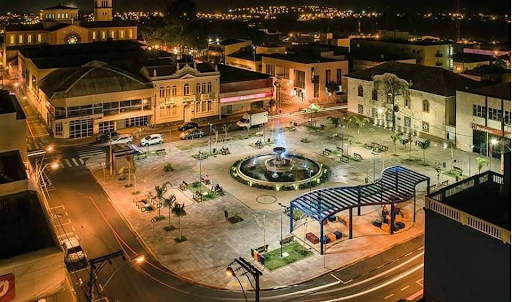
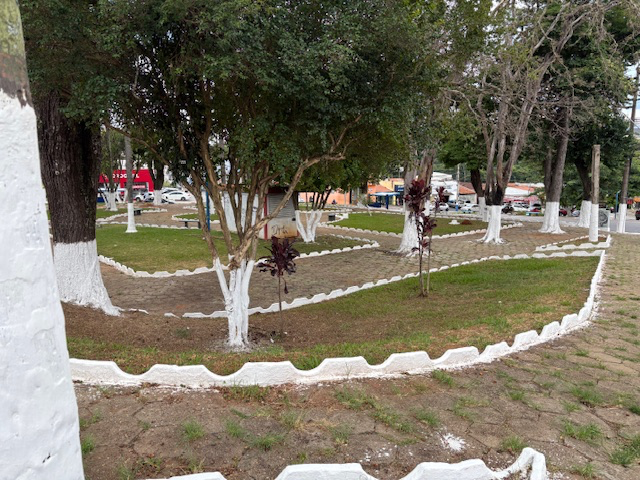
One of the places they proudly showed us was Praça dos Amores, one of the city’s gathering places. Located in the center of Itapetininga, the square has become a symbol of community and civic pride. Beautifully landscaped and centered around an illuminated fountain, it is a place where families gather in the evenings, children play, and friends meet to enjoy the cooler hours of the day. The large “#Eu ❤️ Itape” sign has become a popular photo spot, expressing the affection residents have for their city.
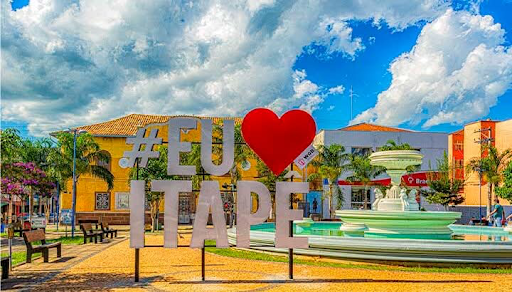
Founded in 1770, Itapetininga is one of the oldest communities in the interior of the state of São Paulo. Its name comes from the Tupi language and is often translated as “dry stone” or “dry path.” Over the centuries, the city developed from a small colonial settlement into an important agricultural and commercial center. Yet despite its growth, it has retained the warmth and friendliness that characterize many smaller Brazilian cities.
Walking through Praça dos Amores, we gained a deeper appreciation for everyday life in Brazil. It was not a famous landmark or a place found in guidebooks, but rather a living part of the community. Praça dos Amores is a reminder that some of the best places in the world are those that locals love and are proud to share with visitors.
Read More From Nancy

Ubatuba
After the completion of our teaching program in Brazil, we headed to Ubatuba to relax. Tucked along the northern coast of Sao Paulo state, this laid-back coastal town is lush with greenery and the rhythm of waves rolling onto the shore. Ubatuba is famous for its beaches, each with its own personality. There are quiet coves […]
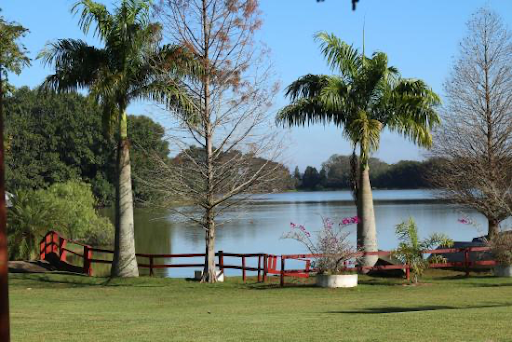
Fishing Camp
Our first trip to Brazil was not to Rio de Janeiro or São Paulo, but to the interior town of Itapetininga, where we had been invited to teach a group of pediatric chiropractors. It was certainly not the destination most travelers would choose for a first visit to Brazil, but that made the experience even more […]

