Projeto TAMAR
One of the highlights of our visit to Ubatuba was spending time at Projeto TAMAR, one of the world’s most successful sea turtle conservation programs. While the playful display of oversized turtle eggs invited us to become “newly hatched” sea turtles for a photograph, the real story behind Projeto TAMAR is one of science, education, and decades of dedicated conservation.
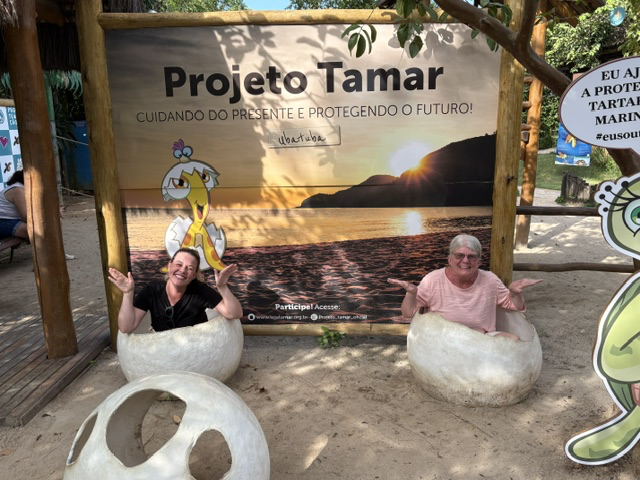
Founded in 1980 by Brazilian marine biologists, Projeto TAMAR was created to address the dramatic decline in Brazil’s sea turtle populations. At the time, sea turtles faced enormous threats from egg collection, accidental capture in fishing nets, coastal development, pollution, and illegal hunting. Recognizing that protecting the turtles required more than simply enforcing regulations, the program adopted a different approach of working directly with local fishing communities to make conservation a shared responsibility rather than an outside mandate.
The name “TAMAR” comes from the Portuguese words tartaruga marinha, meaning “sea turtle.” Over the past four decades, the project has grown into one of Brazil’s leading conservation success stories. Today, Projeto TAMAR operates research stations and visitor centers along more than 600 miles of Brazil’s coastline, protecting nesting beaches and monitoring thousands of turtles each year.
Brazil’s coastline is home to five of the world’s seven species of sea turtles: the green turtle, loggerhead, hawksbill, leatherback, and olive ridley. These ancient reptiles have inhabited the Earth’s oceans for more than 100 million years, surviving the extinction of the dinosaurs and dramatic changes in climate and geography.
Walking through the exhibits, I was struck by how much research goes into protecting these remarkable animals. Scientists monitor nesting females, relocate vulnerable nests, when necessary, identify turtles through tagging programs, and educate local communities and visitors about the importance of preserving marine ecosystems. The sea turtles themselves become ambassadors for a much larger message – that healthy oceans depend on the protection of every part of the ecosystem.
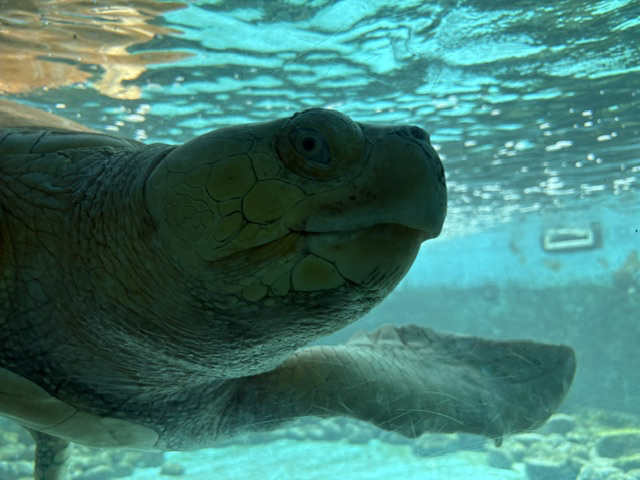
Seeing one of the rescued sea turtles up close was an unforgettable experience. Beneath the calm surface of the water was an animal whose ancestors have crossed the world’s oceans for millions of years, navigating vast distances with extraordinary precision before returning to the very beaches where they were born. It was a powerful reminder of both the resilience and the vulnerability of nature.
Today, millions of sea turtle hatchlings reach the ocean each year because of the efforts of Projeto TAMAR and the countless researchers, volunteers, and local residents committed to ensuring that these ancient mariners continue their journey for generations to come.
Read More
Read More From Nancy
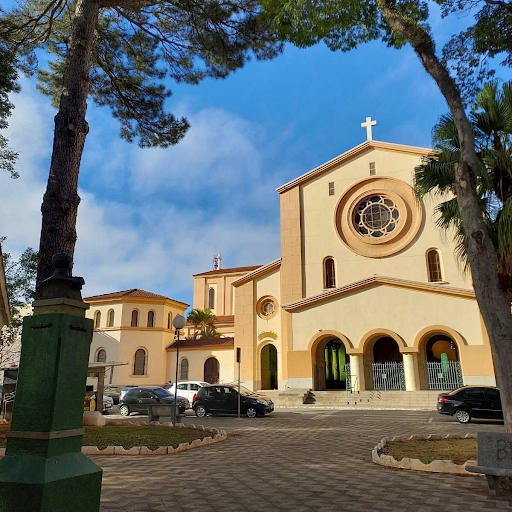
Cathedral Nossa Senhora dos Prazeres
Visiting this beautiful cathedral while we were teaching in Itapetininga, Brazil, was one of the memorable moments of our trip. From the outside, the church dominates the square with its graceful lines and large rose window, but it was the interior that left the greatest impression. The massive scale of the building and its soaring […]
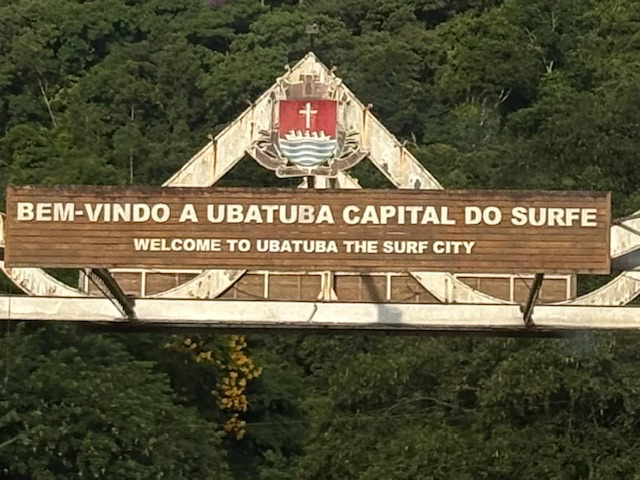
Ubatuba
After the completion of our teaching program in Brazil, we headed to Ubatuba to relax. Tucked along the northern coast of Sao Paulo state, this laid-back coastal town is lush with greenery and the rhythm of waves rolling onto the shore. Ubatuba is famous for its beaches, each with its own personality. There are quiet coves […]

