Theodore Roosevelt Inaugural National Historic Site
On our drive to Niagara Falls, our family made a detour into Buffalo to visit the Theodore Roosevelt Inaugural National Historic Site. I remembered that it was here, in an upstairs parlor, that Theodore Roosevelt took the oath of office following the assassination of President William McKinley. At just forty-two years old, Roosevelt became the youngest man ever to assume the presidency. Though he stepped into the office under tragic circumstances, he would go on to lead the nation with remarkable energy and leave a legacy.
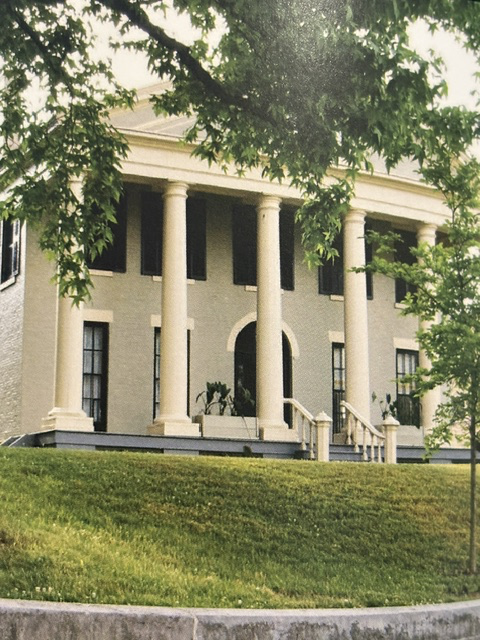
The house itself was not Roosevelt’s, but belonged to Ansley Wilcox, a prominent Buffalo lawyer and friend of the Roosevelt family. In September 1901, President McKinley had traveled to Buffalo to attend the Pan-American Exposition, where he was shot by an assassin. Vice President Roosevelt, who had been vacationing in the Adirondacks, rushed to Buffalo when McKinley’s condition worsened. After the president died on September 14, Roosevelt stayed at the Wilcox home, and it was there, in the library, that Federal Judge John R. Hazel administered the oath of office.
Established as a National Historic Site in 1966 by President Lyndon B. Johnson, the site preserves this pivotal moment in American history. The house itself is beautifully restored and allows visitors to experience the setting in which the nation unexpectedly passed from one president to another.
Standing before this stately home, I was reminded that history often turns in ordinary places. In the quiet rooms of a friend’s house, Theodore Roosevelt began a presidency that would shape the Progressive Era and transform America’s role in the world. Though he inherited enormous responsibilities, Roosevelt’s courage, vision, and boundless enthusiasm helped define one of the most influential presidencies in our nation’s history.
Read More From Nancy
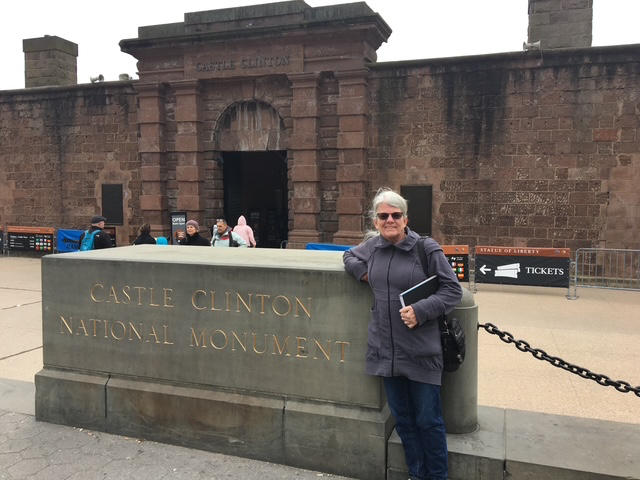
Castle Clinton National Monument
Castle Clinton sits at the southern tip of Manhattan in Battery Park, layered with nearly two centuries of American history in a circular stone structure. Originally constructed between 1808 and 18111, it was built as a coastal fort to defend New York Harbor during tensions leading up to the War of 1812. At that time, it sood […]
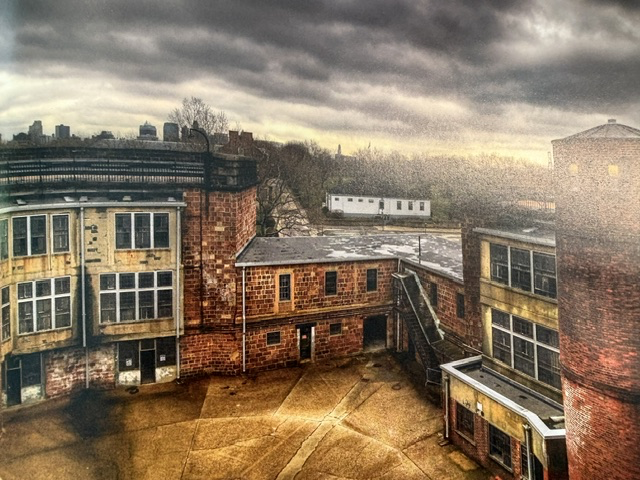
Governors Island National Monument
Looking across New York Harbor, it is easy to understand why Governors Island has been considered strategically important for centuries. Positioned between Lower Manhattan and Brooklyn, the island occupies one of the most valuable locations on the East Coast. Whoever controlled this small island helped protect the harbor that would become one of the busiest […]
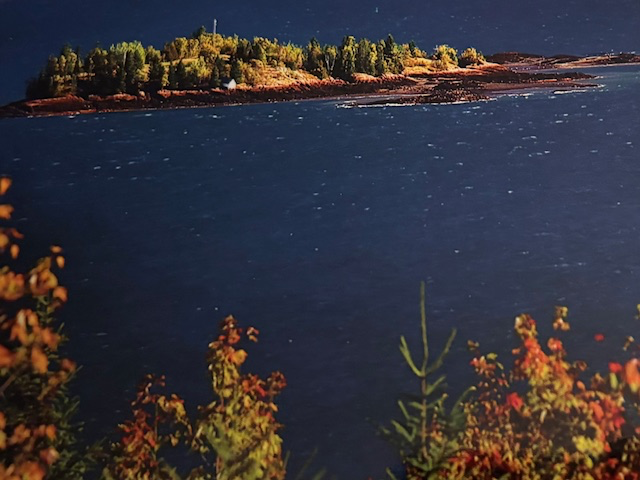
Saint Croix Island International Historic Site
Erin and I drove to Saint Croix Island International Historic Site, a place that marks one of the earliest European settlements in North America. Located along the St. Croix River, this site sits on the border between the United States and Canada, just east of Calais. From the mainland, you look out across the water to […]

