Ocmulgee Mounds National Historical Park
We had the opportunity to explore many parts of Georgia while Erin was attending chiropractic school in Marietta, and one place we visited was Ocmulgee Mounds National Historical Park near Macon. Preserving traces of more than 12,000 years of human history, the park tells the story of the many peoples who lived along the Ocmulgee River, from Ice Age hunters to the powerful Mississippian culture and, later, the historic Muscogee (Creek) Confederacy.
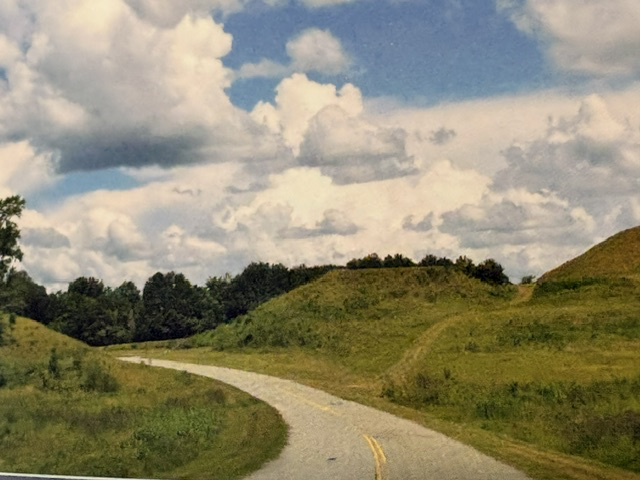
The most striking features of the park are the great earthen temple mounds built by the Mississippian people between approximately A.D. 900 and 1100. These mounds served as centers of political, religious, and ceremonial life and testify to the sophisticated societies that flourished in the Southeast long before European contact. Remarkably, these massive earthworks have survived for nearly a thousand years and remain among the finest examples of Mississippian culture in the United States.
Established as a national monument in 1936 and redesignated as a national historical park in 2019, Ocmulgee preserves not only the mounds themselves but also village sites, burial grounds, and thousands of artifacts uncovered during extensive archaeological excavations. One of the park’s most extraordinary treasures is the reconstructed Earth Lodge, where tribal leaders once gathered around a ceremonial platform shaped like an eagle.
For the Muscogee people, whose ancestors lived here for countless generations, Ocmulgee remains a sacred and significant place. Standing among these ancient mounds, I was reminded that some of the oldest stories in America are found not in buildings or monuments, but in landscapes that have sustained human communities for thousands of years. The surviving temple mounds and sacred earthworks serve as enduring reminders of the rich cultures that thrived here long before European settlement and of the continuing legacy of the Muscogee Nation.
Read More From Nancy
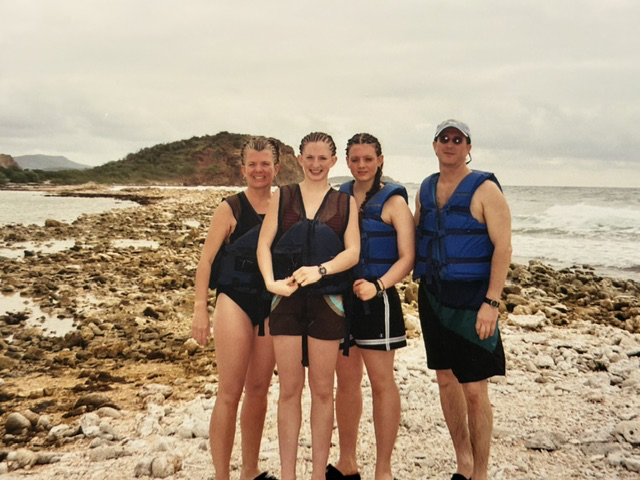
Virgin Islands National Park
One of the highlights of our family vacation to St Thomas, was visiting the Virgin Islands National Park on the island of St. John. While we were staying on nearby St. Thomas, we took the ferry across the crystal blue waters of the Caribbean to spend a day exploring this unique national park. Virgin Islands National Park is a place […]
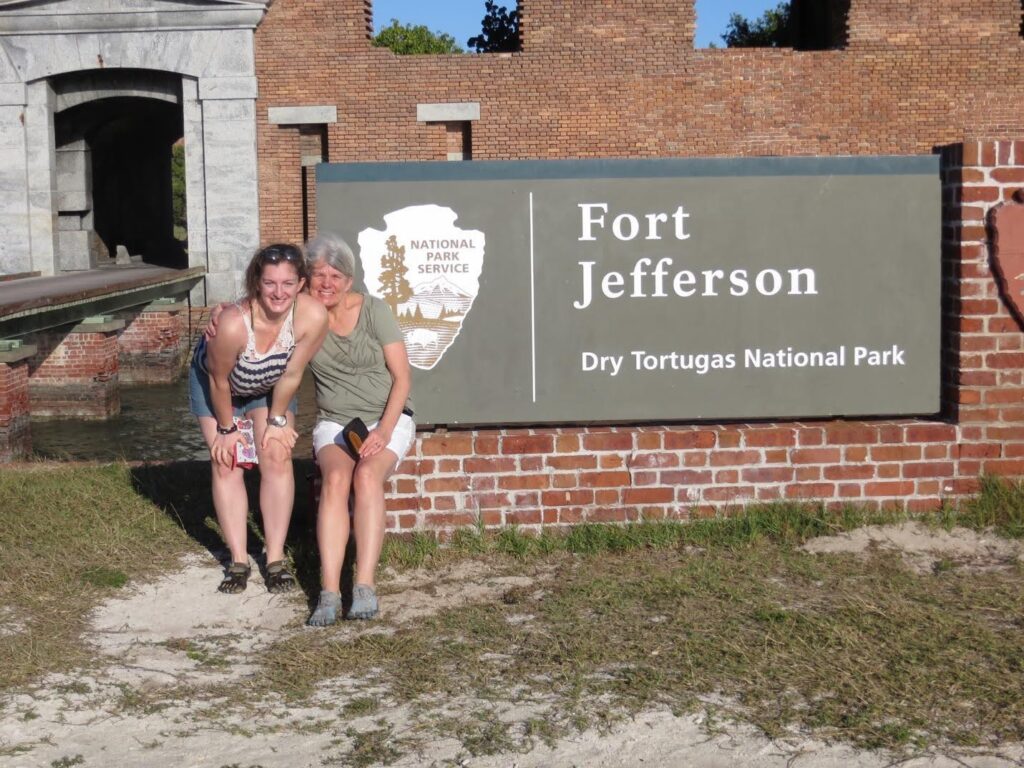
Dry Tortugas National Park
What an adventure it was to reach Fort Jefferson in the Dry Tortugas. I made this journey with Erin in 2012, as a way to celebrate our birthdays. This was an unforgettable trip to one of the most remote places in the National Park System. Located about 70 miles west of Key West, the Dry Tortugas sit […]
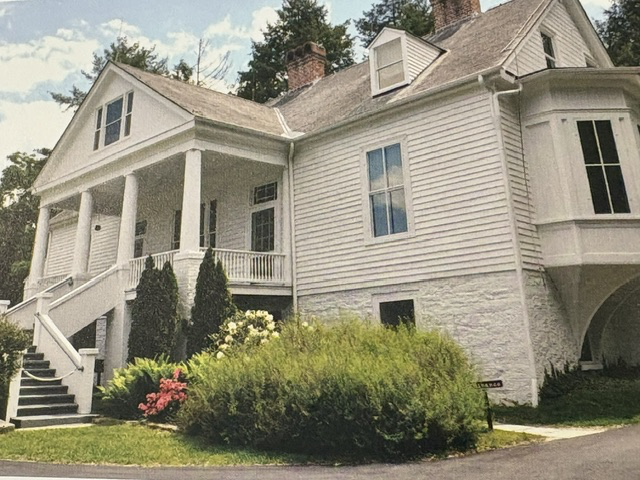
Carl Sandburg Home National Historic Site
Carl Sandburg Home National Historic Site preserves the home and farm where one of America’s most important twentieth-century writers spent the final years of his life. A nationally renowned poet, journalist, biographer, and winner of three Pulitzer Prizes, Carl Sandburg used his writing to explore the lives, struggles, language, and spirit of the American people. […]

