Keweenaw National Park
Traveling through Michigan’s Upper Peninsula with Erin was one of those special road trips that remains long after the journey ends. The Upper Peninsula feels like a world apart from the rest of Michigan. As we explored the region, I was especially drawn to the story of the people who came here seeking opportunity.
The history of copper mining is woven into every corner of the Keweenaw Peninsula. During the nineteenth and early twentieth centuries, immigrants arrived from Finland, Cornwall, Italy, Sweden and other parts of Europe, bringing their languages, traditions, skills and dreams to this remote part of America. Though they came from different countries, they shared a common theme of leaving home in search of a better life and helping build communities that would endure for generations.
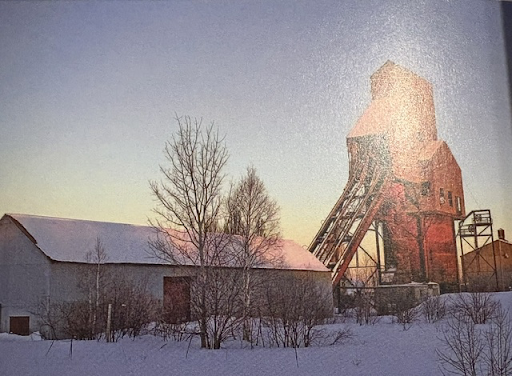
The photo captures the historic mining structures preserved within Keweenaw National Historical Park. The towering mine hoist is a reminder of the era when thousands of miners descended deep underground each day to extract the copper that helped fuel America’s industrial growth and electrification. These mines produced some of the purest native copper deposits in the world and played a critical role in supplying the metal that powered homes, factories, telegraph lines and eventually the modern electrical age.
Recognizing the national significance of this history, Congress established Keweenaw National Historic Park in 1992 and signed into law President George H. W. Bush. Keweenaw was created to preserve both the industrial heritage of copper mining and the cultural heritage of the people who built Copper Country.
The story here was more about the people, then the mining. The families who crossed the oceans, endured harsh winters, worked deep underground, built churches and schools, established neighborhoods and created communities that define the character of the Upper Peninsula.
It was easy to imagine the generations of workers who helped build this region. Behind every historic site are stories of ordinary people whose hard work shaped the world we know today.
Read More From Nancy
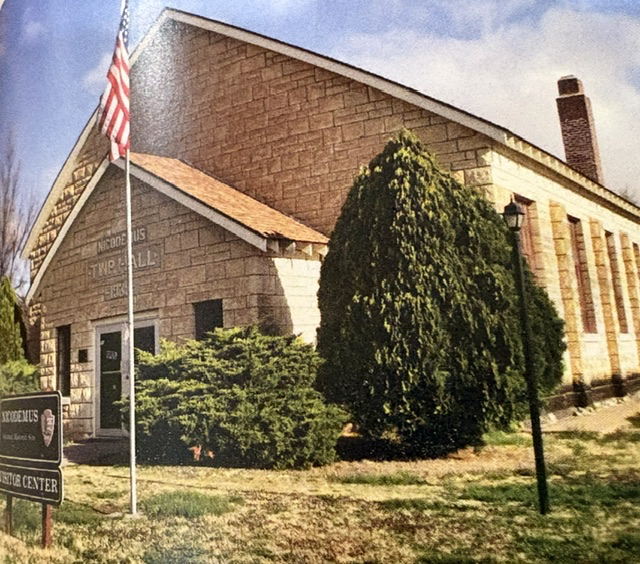
Nicodemus National Historic Site
I have traveled to many of our smaller National Park sites alone. Many of them require long drives across isolated roads where there is not much else to see along the way. But for me, the destinations are always worth it. When we were driving across Kansas towards Colorado, I asked Marty to take a detour […]
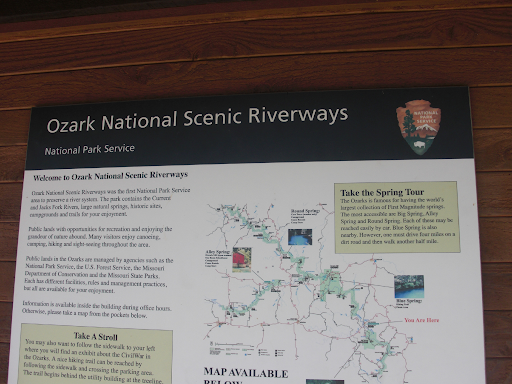
Ozark National Scenic Riverways
Traveling into the Ozarks of Missouri, I came to the Ozark National Scenic Riverways, a place defined not by mountains or monuments, but my water. Here the landscape is shaped by two rivers: The Current River and the Jacks Fork River, both fed by some of the largest natural springs in the country. The water is clear, […]
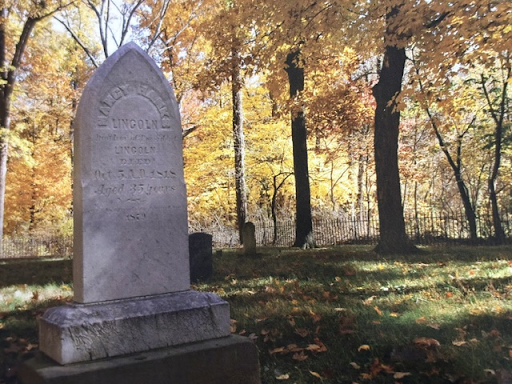
Lincoln Boyhood National Memorial
Lincoln Boyhood National Memorial in Lincoln City, Indiana, preserves the farm where Abraham Lincoln spent fourteen of the most formative years of his life. Established as a National Memorial in 1962, the site commemorates the years from 1816 to 1830, when the Lincoln family settled on the Indiana frontier and young Abraham grew from a […]

