Assateague Island National Seashore
On a road trip to meet our daughters for a family vacation, we stopped at Assateague Island National Seashore. One of the unforgettable experiences there was seeing the famous wild horses wandering freely through the landscape. In this photo, one of the horses calmly stood along the boardwalk. Encounters like this are part of what makes Assateague such a remarkable place.
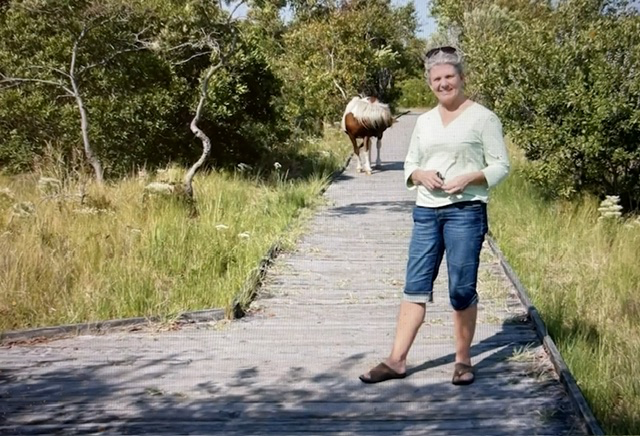
The wild horses of Assateague have become the symbol of the island. Smaller than many people expect, these horses developed their compact size over generations as they adapted to the harsh barrier island environment. One of the most fascinating facts about them is that they can drink the island’s brackish and salty water. This adaptation contributes to their bloated appearances and smaller statute compared to mainland horses. Living among salt marshes, strong coastal storms, heat, insects and limited fresh grazing shaped them into hardy survivors perfectly suited for this unique landscape.
Assateague Island National Seashore was established in 1965 by Congress to preserve the barrier island’s natural beauty, wildlife and shoreline ecosystems along the coasts of Maryland and Virginia. The island is known not only for its horses, but also for its windswept beaches, marshlands, and migrating birds.

Read More From Nancy
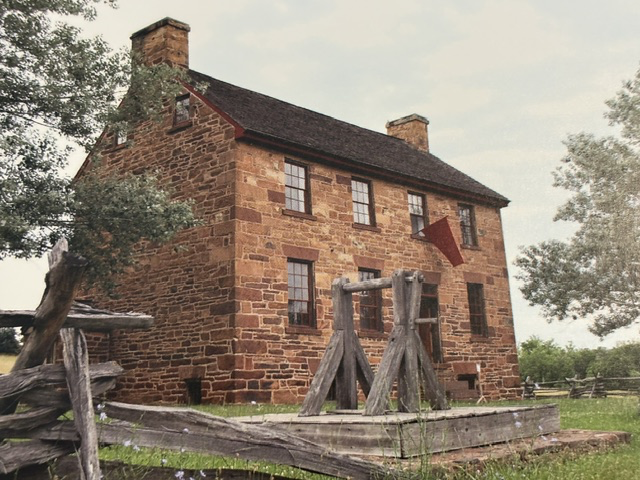
Thomas Stone National Historic Site
In 1770, Thomas Stone purchased more than 400 acres in Charles County, Maryland, and began creating a home for his young family. He and his wife, Margaret Brown Stone, had married only two years earlier, and Stone was building a promising career as a lawyer. The property was known as Haberdeventure, a name generally interpreted […]
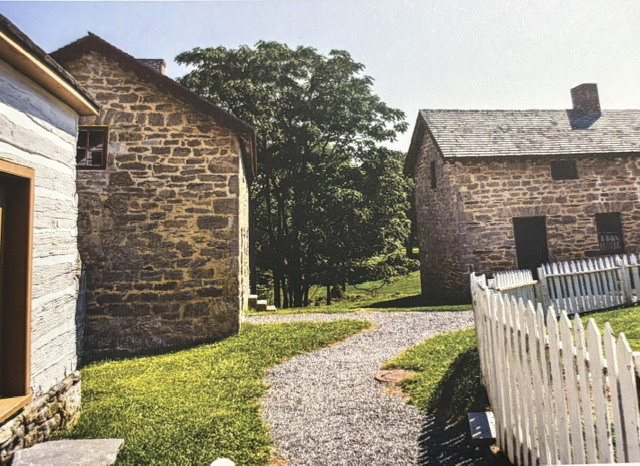
Hampton National Historic Site
I remember touring Hampton National Site in Maryland during a road trip south. Located in Towson, Maryland, Hampton preserves the story of one of the largest and most influential estates in early America. We visited to not only see the grand Georgian mansion, as well as the farm buildings, gardens and working areas that reveal how the estate functioned. […]
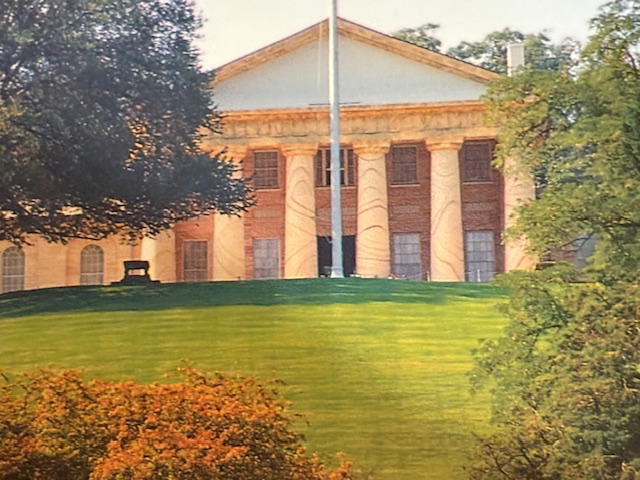
Arlington House, Robert E. Lee Memorial
Arlington House, The Robert E. Lee Memorial sits high above the Potomac River, its columns facing directly toward Washington D.C. The home was built between 1802 and 1818 by George Washington Parke Custis, who intended it as a living memorial to his step-grandfather, George Washington. From its earliest days, this was designed to honor the legacy of […]

