Harriet Tubman Underground Railroad National Historical Park
The drive to Maryland’s Eastern Shore during a trip to Washington, DC became far more meaningful when we made a side journey to Harriet Tubman Underground Railroad Visitor Center. Some historic sites teach you facts, while others leave you standing quietly, reflecting on the courage and strength of the people connected to that place. This was one of those places.
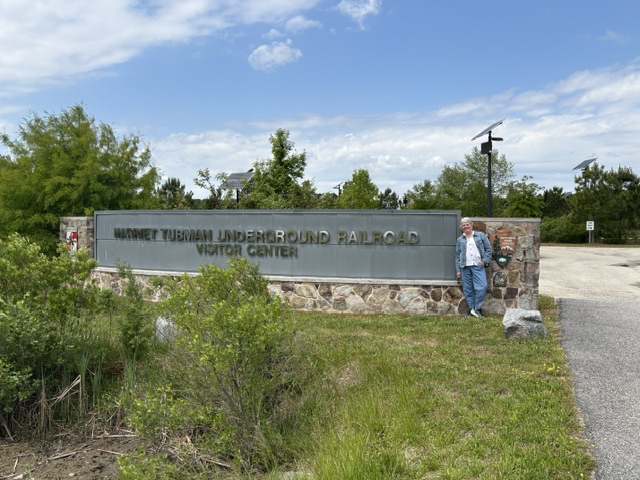
Harriet Tubman is one of the most extraordinary figures in American history. Born into slavery in Dorchester County, Maryland around 1822, she escaped bondage and then repeatedly returned to the South to guide others to freedom through the Underground Railroad. Despite enormous danger, she risked her life again and again, leading dozens of enslaved people northward while becoming a symbol of courage, determination, faith and sacrifice.
What makes visiting this area so powerful is that the landscape itself still feels connected to her story. The marshes, waterways, forest and open rural spaces help visitors understand both the isolation of the region and the challenges faced by those seeking freedom. Standing there, it becomes easier to imagine the risks Harriet Tubman took as she navigated these roads and waterways under the cover of darkness.
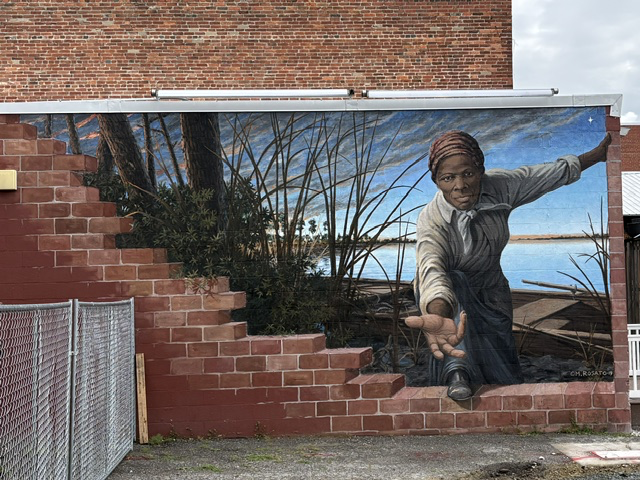
The visitor center and surrounding parklands preserve and interpret the places associated with her early life and her work on the Underground Railroad. The exhibits do an excellent job placing her story within the larger history of slavery, abolition, resistance and freedom in America. Rather than presenting Harriet Tubman as a distant historical figure, the site brings forward the human qualities that made her remarkable life: Faith, Resilience, Intelligence, Leadership and an unwavering Commitment to helping others.
The Harriet Tubman Underground Railroad National Historical Park was established as part of the National Park System in 2013 by President Barack Obama. The park was created to preserve the landscaped and historical sites connected to Tubman’s life on Maryland’s Eastern Shore and to ensure that future generations could better understand both her story and the larger struggle for freedom in the United States.
Traveling to national parks and historic sites often adds depth to my journey, but this stop felt especially important. Harriet Tubman’s life reminds us that history is not only shaped by presidents or armies, but also by individuals whose courage and convictions change the course of humanity. Leaving the park, I found myself thinking not only about the hardships she endured, but also about the strength of spirit required to continually risk everything for the freedom of others.
Some places stay with me long after I leave. This was one of them.
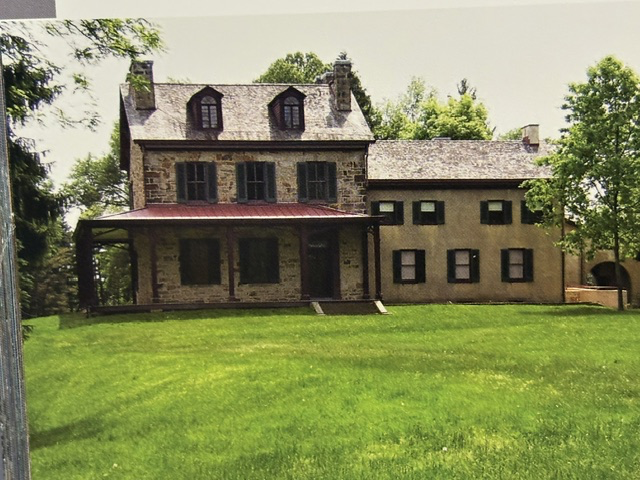
Read More From Nancy
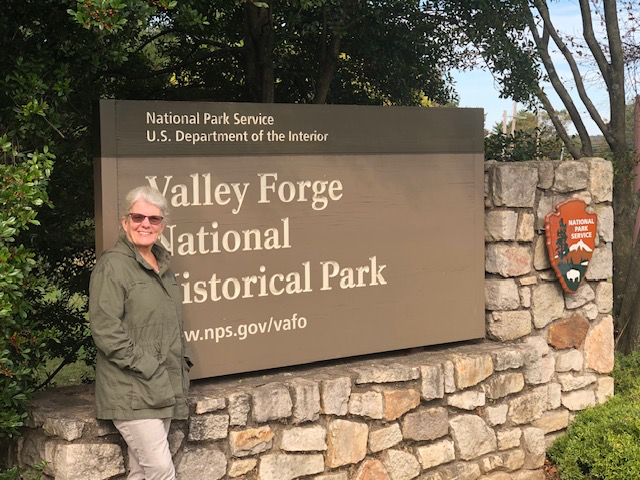
Valley Forge National Historical Park
The last time I visited Valley Forge was in 2019. So many of our National Parks are preserved because they were battlefields: places where lives were lost and freedom was defended. Valley Forge is different, it is not a battlefield, no shots were fired here. Yet it remains one of the most important sites in the […]
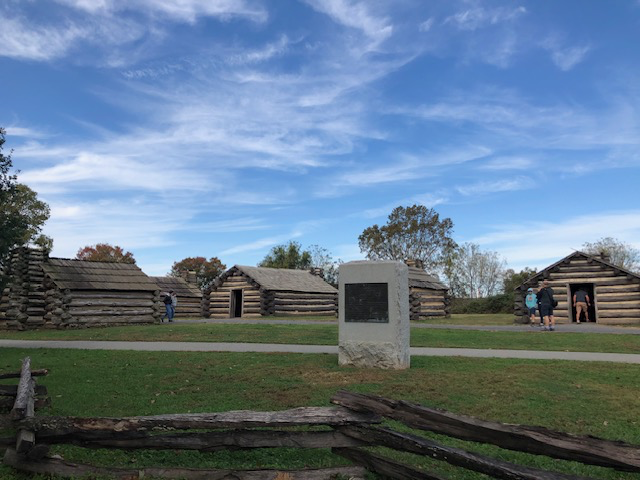
The Soldiers’ Huts – Valley Forge National Historical Park
Walking through the reconstructed encampment at Valley Forge offers a glimpse into the daily lives of the Continental soldiers who spent six difficult months here during the winter of 1777–1778. These humble log huts became their homes as they struggled against cold, hunger, disease, and uncertainty. Each hut measured only about sixteen feet by fourteen […]
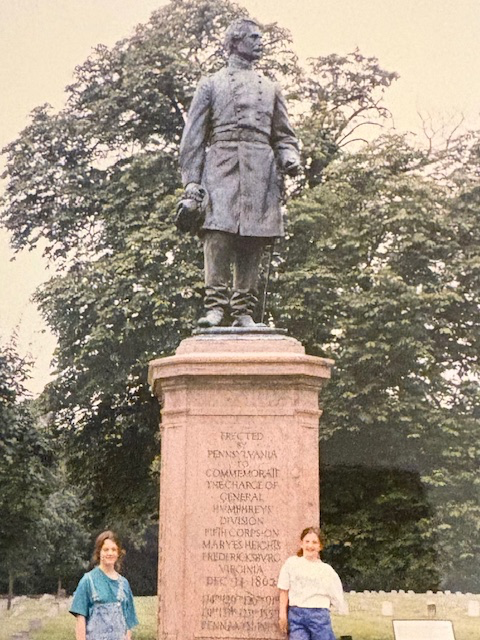
Fredericksburg and Spotsylvania National Military Park
On our travels to the 1996 Olympics in Atlanta, we took the time to visit some of the historic sites in Virginia. One of them was Fredericksburg and Spotsylvania National Military Park, a Civil War battlefield that holds the memory of one of the war’s most devastating encounters. This statue commemorates Andrew A. Humphreys and his […]

