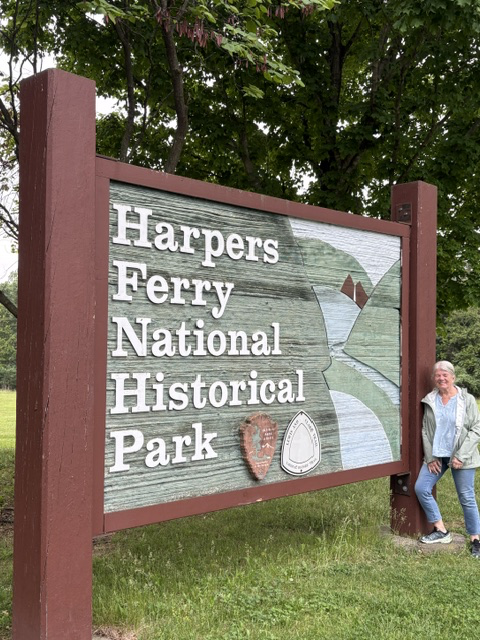
Harpers Ferry National Historical Park
A great opportunity to re-visit Harpers Ferry National Historical Park in 2026. Walking through the historic town once again and visiting John Brown’s fort and museum brought history back to life in a powerful way. Few places in America hold so many lawyers of history within such a small landscape.
The town is forever tied to the events of Oct 1859, when abolitionist John Brown led his raid on the federal armory in an attempt to spark an uprising against slavery. Though the raid failed, it intensified the tensions already dividing the nation and became one of the major events leading toward the Civil War. Standing inside the small brick fire engine house known as: “John Brown’s Fort”, it is impossible not to feel the weight of what happened here. The structure itself has become one of the recognized symbols of the fight over slavery in America.
Another part of Harpers Ferry that stands out is the railroad that still runs directly t through the town. Freight trains regularly pass beside the historic district, their sound echoing through the river valley much as trains did generations ago. Harpers Ferry became a major transportation hub because of its location where rivers, railroads and canals all came together. The Baltimore and Ohio Railroad, one of the first major railroads in the country, passed through here in the 1800s and helped transform the town into an important industrial and transportations center.
Harpers Ferry National Historical Park was established as a National Monument in 1944 and later redesignated as a National Historical Park in 1963. The park preserved not only the story of John Brown, but also the Civil War, the industrial history of the federal armory, transportation along the canals and railroads, and the remarkable role the town placed in shaping the nation’s history.
Revisiting the park reminded me how meaningful it can be to return to places years later. I noticed details missed before, understood the history more deeply and appreciate how these preserved places continue to tell their stories to each new generation.
Read More From Nancy
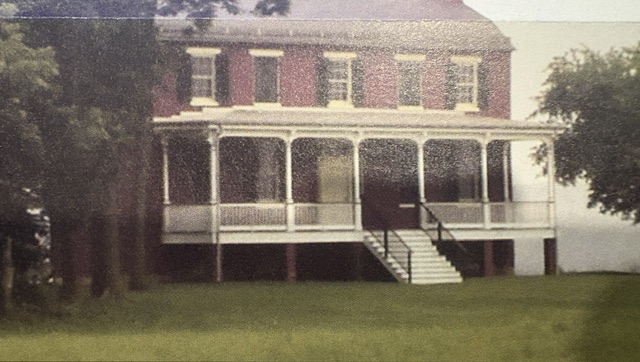
Monocacy National Battlefield
On July 9, 1864, Union and Confederate forces met along the Monocacy River near Frederick, Maryland. The battle formed part of the third and final Confederate invasion of the North. Lieutenant General Jubal A. Early hoped to threaten Washington, D.C., draw Union troops away from Virginia and possibly influence the approaching presidential election. After learning […]
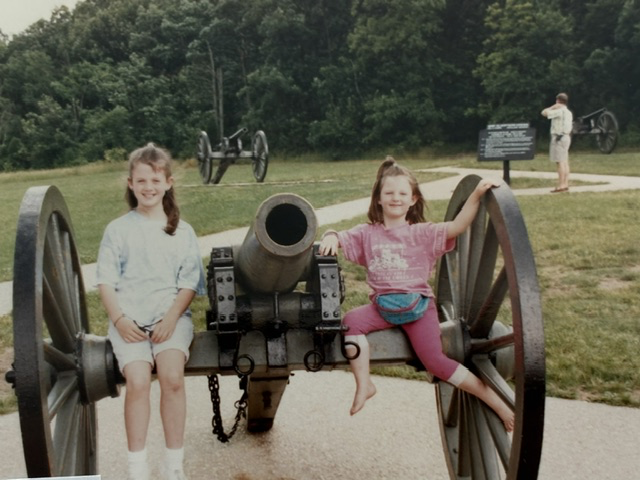
Gettysburg National Military Park
On our first visit to Gettysburg National Military Park, we hired a Park Ranger to guide us through the battlefield and bring the events that unfolded here to life. Standing on these fields, it became clear that Gettysburg is far more than monuments and cannons. It is a landscape where the course of American history […]
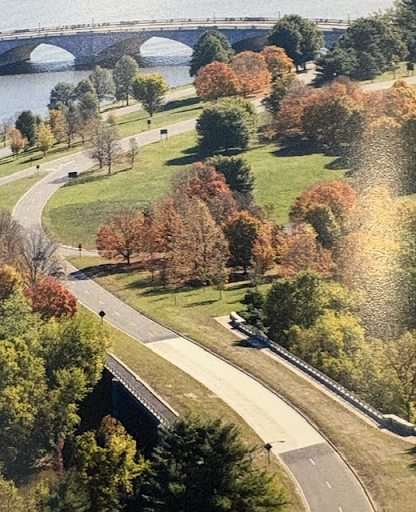
George Washington Memorial Parkway
The George Washington Memorial Parkway is unlike most units of the National Park System. Established in 1930, it was designed not simply as a scenic roadway, but as a living memorial to George Washington. Stretching for nearly 25 miles along the Potomac River, it links many of the places most closely associated with our nation’s […]

