Fort Scott National Historic Site
Fort Scott National Historic Site preserves one of the most important frontier military posts in the American Midwest. The historic buildings, parade grounds and officers’ quarters bring visitors back to a time when the western frontier was rapidly expanding and the United States was struggling with issues that would eventually lead to the Civil War.
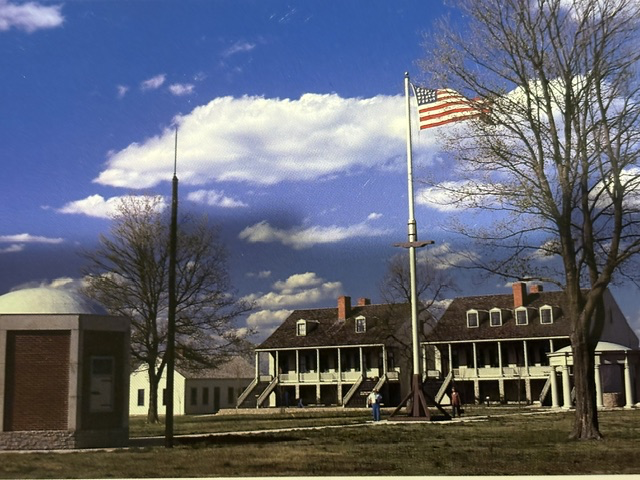
Fort Scott was established in 1842 by the U.S. Army to maintain peace between Native American tribes who had been relocated to the region and increasing numbers of American settlers moving westward. Positioned along the edge of the frontier, the fort became part of a chain of military posts intended to protect trade routes and maintain order in a landscape undergoing enormous change.
As tensions over slavery spread across the Kansas Territory during the 1850s, Fort Scott became deeply connected to the violent conflict known as “Bleeding Kansas”Pro-slavery and anti-slavery factions clashed throughout the region as the nation debated whether Kansas would enter the Union as a free or slave state. The town and fort became a center of political conflict, raids and violence during the years leading up to the Civil War.
During the Civil War itself, Fort Scott served as an important Union military outpost and supply center. The fort also became a refuge for escaped enslaved people and Union supporters fleeing violence in nearby regions.
Fort Scott became part of the National Park System in 1979 when Congress established Fort Scott National Historic Site to preserve the surviving structures and the site’s importance during the Civil War History. Today the fort stands as one of the best-preserved frontier military posts in the country.
Read More From Nancy

Scotts Bluff National Monument
Another memorable stop on our 1995 family cross-country road trip was Scotts Bluff National Monument in western Nebraska. Coming from the eastern part of the country, we wanted our daughters to see first-hand what life was like for families who traveled west by wagon train. Rising from the plans, Scotts Bluff was one of the […]

Brown v. Board of Education National Historical Park
While teaching in Kansas, I made a point of visiting the Brown v. Board of Education National Historical Park. Housed in the former Monroe Elementary School, this site commemorates the landmark 1954 Supreme Court decision that declared racial segregation in public schools unconstitutional and helped launch the modern Civil Rights Movement. There was so much I […]

Indiana Dunes National Park
On our cross-country family road trip in 1995, we stopped at the Indiana Dunes National Park. The massive sand dunes stretch along the southern shore of Lake Michigan and they are interwoven with wetlands and beaches. The dunes were formed over thousands of years as glaciers retreated in the wind and water shaped the sand into ridges […]

