Hovenweep National Monument
The stone towers and walls of Hovenweep National Monument rise from the desert landscape. This monument is located in the remote Four Corners region along the border of Colorado and Utah. Hovenweep feels isolated even by Southwestern standards. Reaching this monument required traveling long stretches of quiet desert roads.
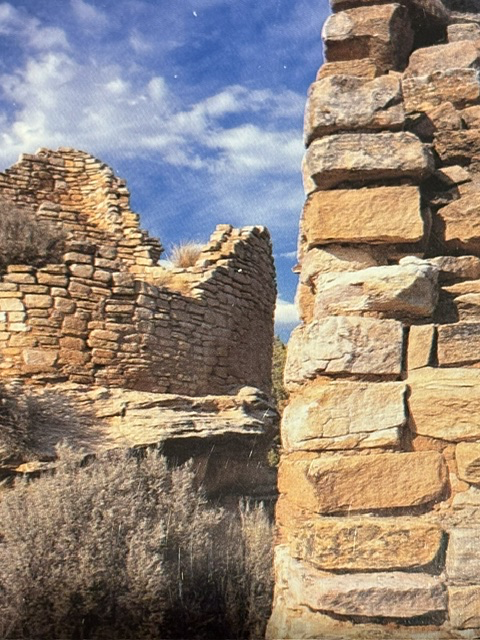
The name Hovenweep comes from a Ute/Paiute word translated as “deserted Valley”, a fitting description for this beautiful landscape. The ancestral Puebloan people built these villages between 1200 and 1300 AD, constructing stone towers, pueblos and ceremonial structures along canyon rims.
The carefully stacked sandstone blocks survived for centuries in an unforgiving desert environment. Archaeologists continue to debate how some of these structures were used. The towers were built with remarkable engineering skill. They were not crude shelters, but thoughtfully planned communities built by people with advanced architectural and cultural knowledge.
Recognizing its archaeological importance, Hovenweep National Monument was established in 1923 by President Warren G. Harding. Today the monument preserves the ruins as well as the legacy of the ancestral Puebloan people.

Read More From Nancy
Great Sand Dunes National Park
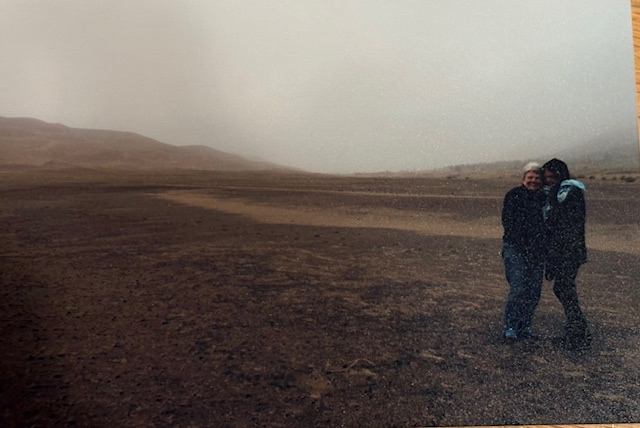
A special trip to Colorado brough Erin and me there, where we met Emmy. When we met at the airport, the weather was warm and sunny, and it felt like the beginning of an easy day. We set off with the intention of visiting the Great Sand Dunes, expecting wide open skies and calm views. […]
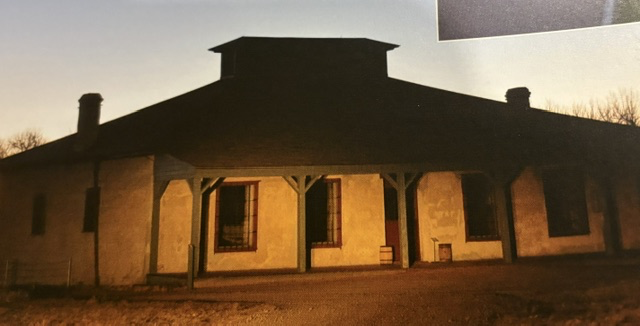
Fort Laramie National Historic Site
Fort Laramie National Historic Site in Fort Laramie, Wyoming, preserves one of the most important crossroads in the history of the American West. Established as a private fur trading post in 1834, the fort eventually evolved into the largest and most significant military post on the northern plains. It became a vital stop for thousands […]
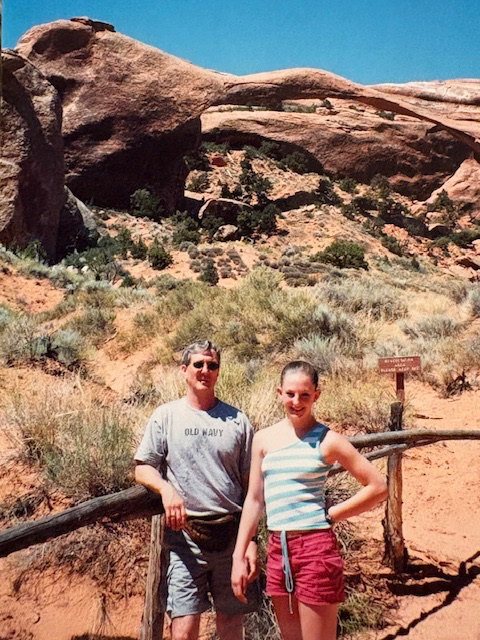
Arches National Park
There are few states with as many remarkable national parks as Utah, and Arches National Park is truly one of its most unforgettable. Here we are standing along the Devil’s Garden, in front of the Landscape Arch, one of the longest natural stone arches in the world. Its span stretched over 300 feet, and what […]

