Old Post Office
In Concord stands a granite building that once served as the city’s United States Post Office, built in 1895 at a time when communication depended on places like this.
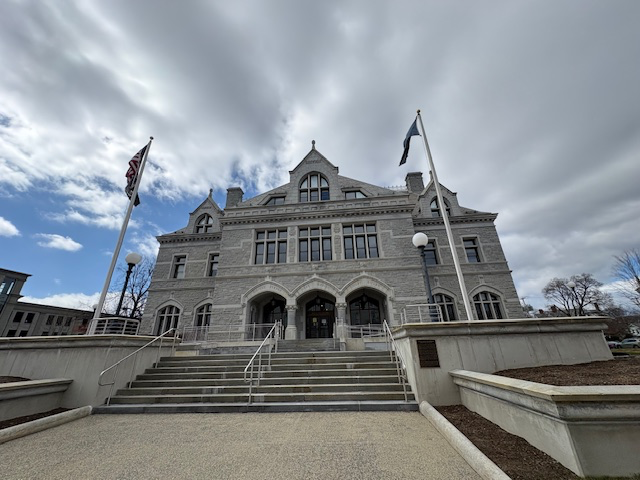
Constructed of locally quarried granite, the building reflects the permanence and importance of civic life in the late 19th century. Its arched entrances and elevated steps give it a presence that still feels purposeful today. Before electronic communication and telephone use, this was where connection happened, letters arriving, news traveling, families staying in touch across distance.
For nearly seventy years, this building was part of the daily rhythm of the city. People came here regularly. Mail moved through these doors constantly, linking Concord to places far beyond its border.
After World War II my father came to Concord from West Virginia. He had married my mother and was beginning a new life. In the late 1940s, he took a job as a mailman, and this is where he would have worked.
For me, this was not just a post office. It was where his day began. It was where he sorted mail, where he prepared for his route, where he became part of the system that carried letters from one home to another. From here, he would have stepped out into the streets of Concord, walking from house to house, delivering news and connections.
This building, with its granite walls and formal design, held that daily work inside it. It was both a civic structure and a place of ordinary routine.
In the mid-1960s, the post office moved to a newer, larger facility, as the needs of the city outgrew this space. The building took on a new life and became known as the Walker Building, named for Frank C. Walker, whose role at the national level reflected the same system that once operated here.
When I look at this building, I see the place where my father began his work in this city, where he became part of the rhythm of Concord, one step, one street, one delivery at a time.
Read More From Nancy
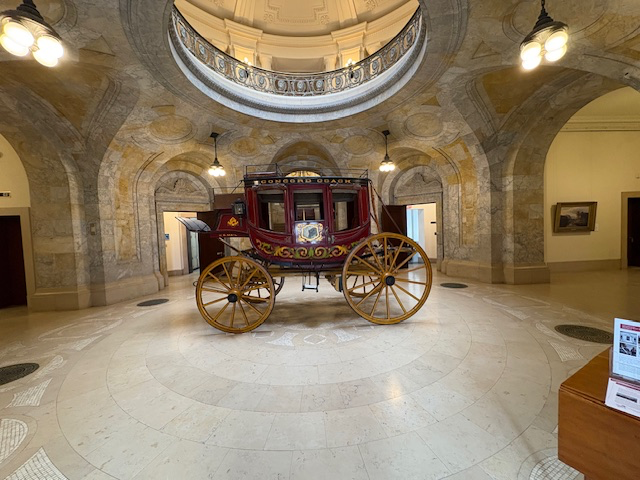
Concord Coach
Inside the Historic Museum is this beautifully preserved Concord coach, an object representing one of the most important contributions Concord made to the wider world. The Concord Coach was developed and built in the 19th century by the Abbot-Downing Company, a firm founded in the early 1800s. From this small New England city came a vehicle that would become […]
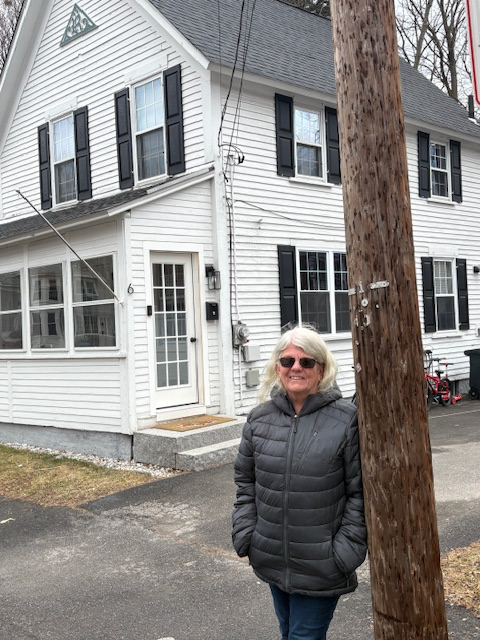
6 Curtice Ave
The North End of Concord is where I was born and raised. It is an area built over time by the people who chose to live there and stay. The Town of Concord was first settled in 1725 and for many years it was a place of farms, open land and scattered homes. When Concord became […]
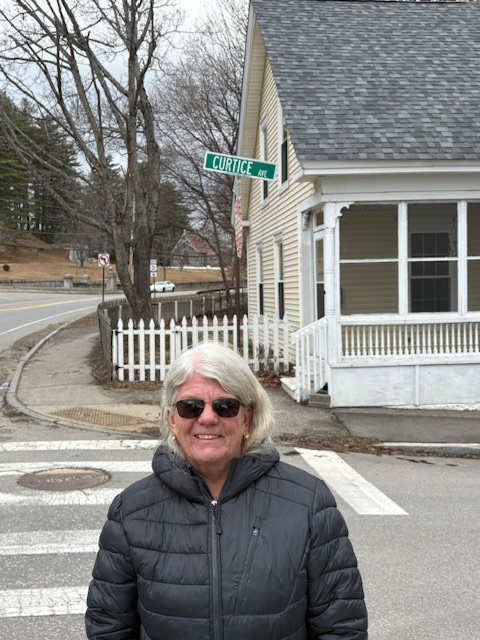
Curtice Ave
Next door to my grandparent’s home on Curtice Ave stands a duplex built around 1900 – a house that reflects the next step in the growth of the North End of Concord. If my grandparent’s house represents the beginning of a neighborhood, this house represents its expansion. By the turn of the 20th century, the […]

