Everglades National Park
The Everglades National Park is such a massive and unique national park that each visit feels like exploring an entirely different landscape. Spanning more than 1.5 million acres, it protects one of the largest subtropical wilderness areas in the United States and became a national park in 1947 under President Harry S. Truman. The Everglades were protected because of its fragile ecosystem and extraordinary wildlife.
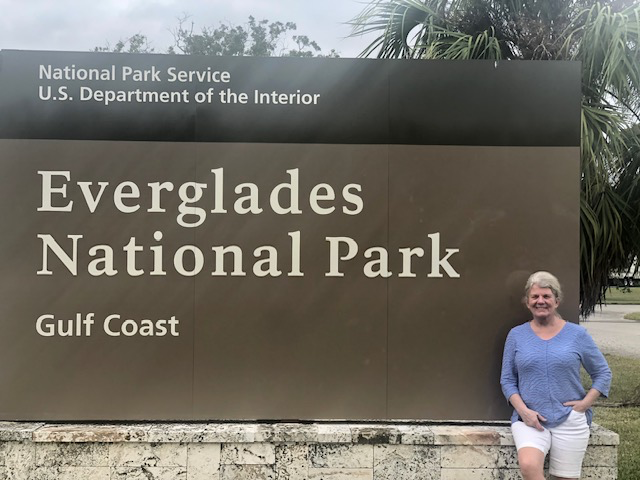
I have visited the park several times through the eastern entrance near Homestead, where the experience feels prehistoric. Here I saw the large reptiles the Everglades are well-known for, alligators stretched along the water’s edge. Other wildlife are hidden within the grasses and mangroves. As I explored the vast sawgrass marshes and realized how untouched parts of this landscape still aree.
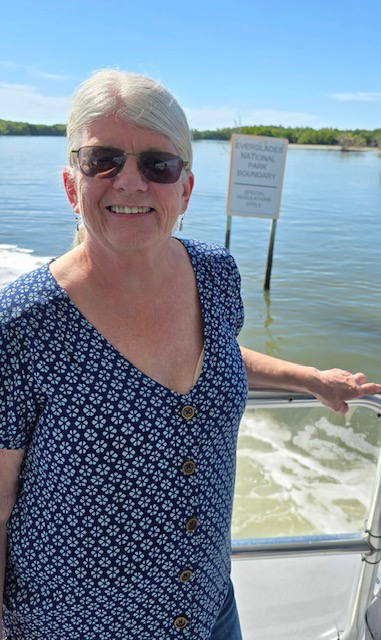
In 2025, I had the opportunity to experience the park from the western Gulf side near Everglade City, which gave me an entirely different perspective of the park. Here I found endless waterways, mangrove islands, and open stretches of water that seemed to go on forever. Seeing dolphins swimming alongside the boat added another layer to my understanding of the vastness of the Everglades and just how diverse this ecosystem is.
The Everglades is often called a “River of Grass”, but visiting both sides of the park showed me that it is a vast and interconnected world of water, wildlife and wilderness. Each entrance reveals a different side of this remarkable national park.
Read More From Nancy
Andrew Johnson National Historic Site
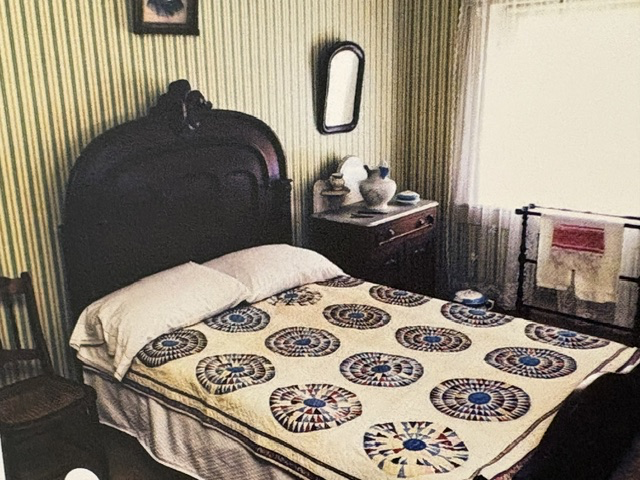
Another presidential site I explored through the National Park Service was the Andrew Johnson National Historic Site in Greeneville, Tennessee. During our visit, we toured both the tailor shop where Johnson learned his trade and the home where he and his family lived. The simple bedroom shown here offered a glimpse into the personal side […]

Buck Island Reef National Monument
Another birthday and family history vacation was spent on Saint Croix exploring Buck Island Reef National Monument. Like many of our family trips, the destination combined celebration, adventure and another opportunity to experience one of the unique places preserved within the National Park System. Buck Island is unlike many national parks we have visited over the years. This […]
Ocmulgee Mounds National Historical Park
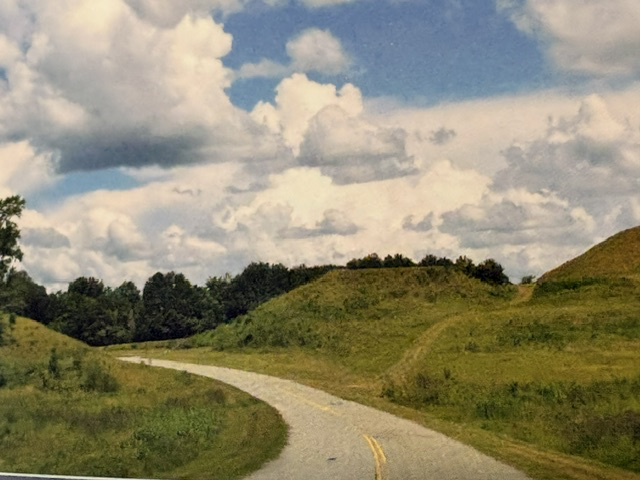
We had the opportunity to explore many parts of Georgia while Erin was attending chiropractic school in Marietta, and one place we visited was Ocmulgee Mounds National Historical Park near Macon. Preserving traces of more than 12,000 years of human history, the park tells the story of the many peoples who lived along the Ocmulgee […]

