Fort Bowie National Historic Site
Walking into Fort Bowie National Historic Site was a hot and dry experience, and in many ways that added to the feeling of the place itself. The long walk across the desert landscape gave us a small sense of the isolation and harsh conditions faced by those who lived and fought here. As we moved through the heat and silence, it was easier to imagine Geronimo and the Chiricahua Apache surviving in this rugged environment where water was precious and the terrain itself became part of daily life.
Fort Bowie was established in 1862 after the Battle of Apache Pass and became one of the key military outposts during the Apache Wars. The fort guarded Apache Pass, one of the few reliable water sources in southeastern Arizona, making this isolated location strategically important for both the U.S. Army and the Apache people.
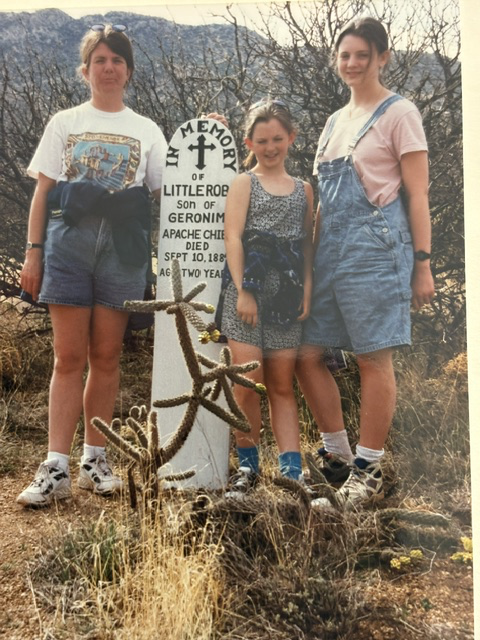
What stayed with me most was the feeling of remoteness. The dry air, desert plants, rocky hills made it clear how difficult this region would have been for anyone unfamiliar with the land. Yet for generations, the Apache knew how to survive here and move through this landscape in ways outsiders often could not.
Fort Bowie National Historic Site became part of the National Park Service in 1972, preserving both the remains of the fort and the deeper story of the Apache people, the soldiers stationed here, and the long conflict that shaped the American Southwest.
Read More From Nancy
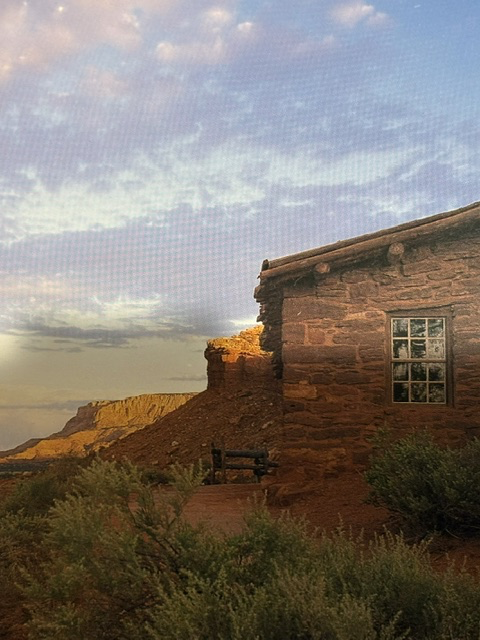
Pipe Spring National Monument
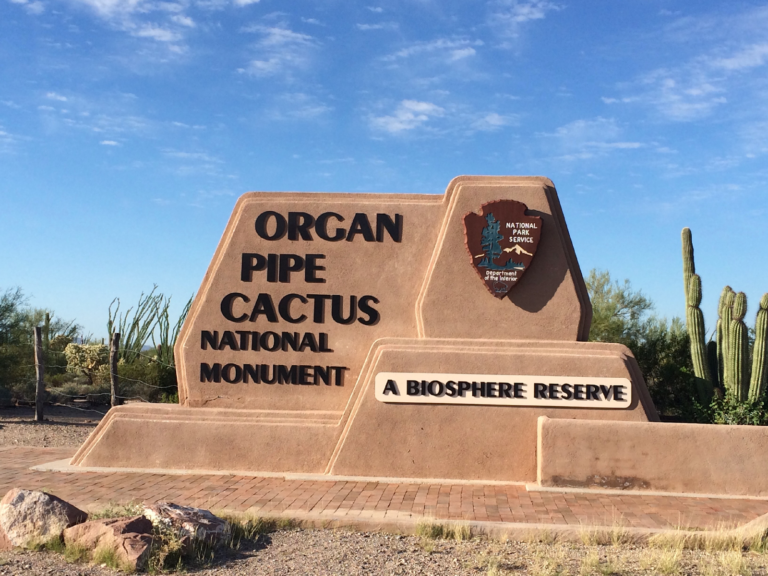
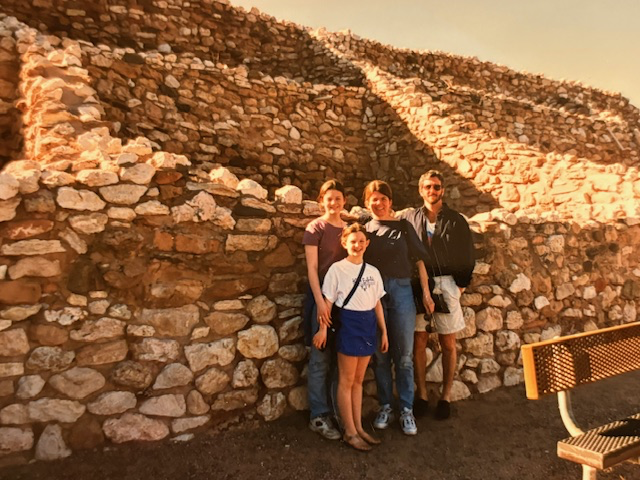
In the dry desert landscape of northern Arizona, Pipe Spring National Monument preserves a precious resource in the American Southwest, water. The national springs flowing here made life possible in a harsh environment where dependable water sources were often separated by vast distances. Located close to the Arizona-Utah border, Pipe Spring became an important stopping place for Native peoples, travelers, […]
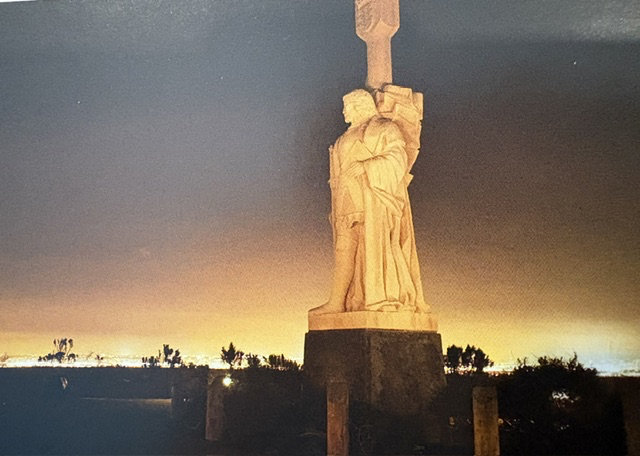
Cabrillo National Monument
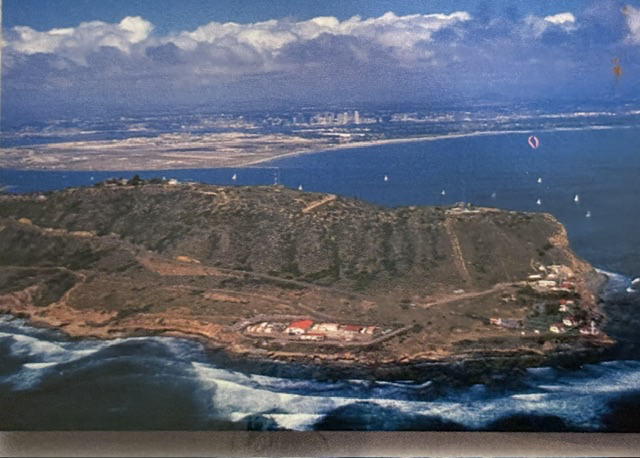
Cabrillo National Monument, overlooking the entrance to San Diego Bay, commemorates a defining moment that changed the course of history. Cabrillo National Monument was established on October 14, 1913, making it one of the earliest units of the National Park System. It honors the landing of Juan Rodríguez Cabrillo, who, on September 28, 1542, […]
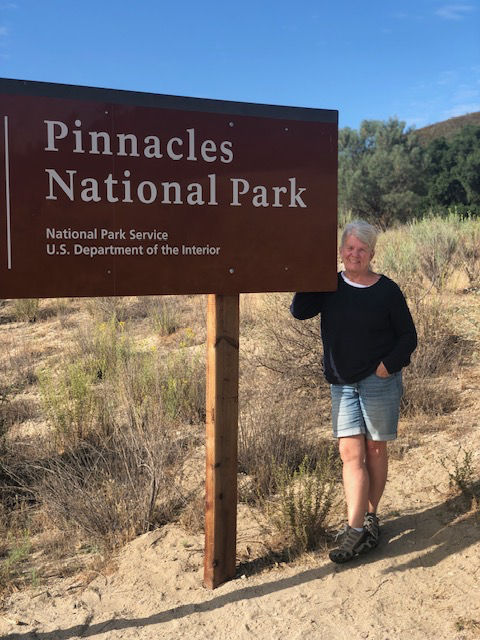
Pinnacles National Park
On a trip to California to teach, Erin and I carved out time for a hike at Pinnacles National Park. These small windows of exploration enrich our journeys to teach. We didn’t know what to expect. Pinnacles isn’t one of the big-name parks. Pinnacles rise from the rolling hills of central California. The dramatic rock formations […]

