Home of Franklin Roosevelt
I have taken this drive to Hyde Park many times. Over these visits, I have watched the Franklin D. Roosevelt Presidential Library and Museum expand its exhibits, telling not only the story of Roosevelt as a president, but also of the young boy who grew up along the Hudson River. From childhood memorabilia and family history to the immense responsibility of leading a nation through the depression and war, the museum brings together both the public and personal sides of Franklin D. Roosevelt.
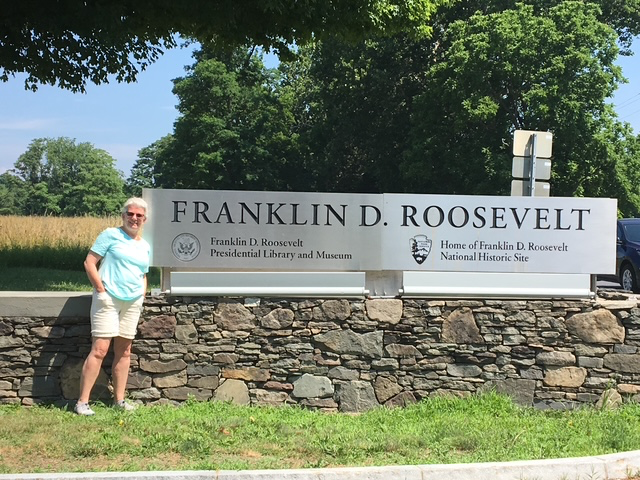
The Home of Franklin D. Roosevelt National Historic Site became part of the National Park System in 1945, shortly after Roosevelt’s death when the family donated the property to the federal government. The presidential library itself had already been dedicated in 1941, becoming the first presidential library in the United States and creating a model that future presidents would follow.
What stands out to me at this site is how much determination and perseverance shaped Roosevelt’s life. The effects of polio and his struggle to walk again are not hidden from the story. Outside the library is the path where Rooseveltexercised as part of his effort to maintain strength after losing his ability to walk. Standing there gives a very human perspective to a man so often remembered for politics.
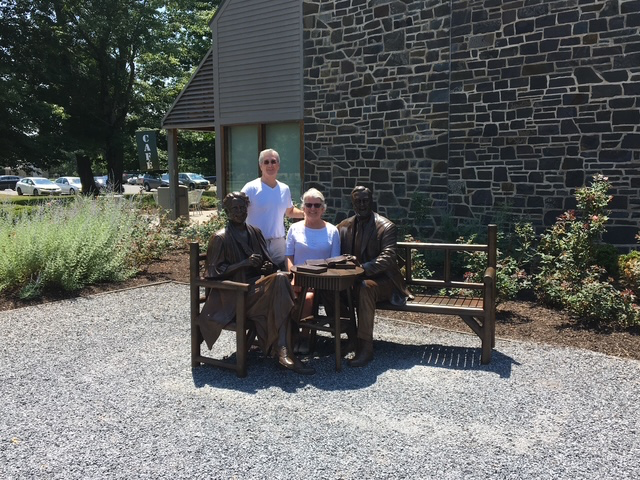
During World War II, Hyde Park was far more than a quiet family estate. President Roosevelt continued to work from here while leading the nation through the war years. Important meetings with world leaders took place on these grounds, and many wartime decisions were discussed while he was here. Even while managing the enormous pressures of global conflict, Roosevlet returned here for both work and rest.
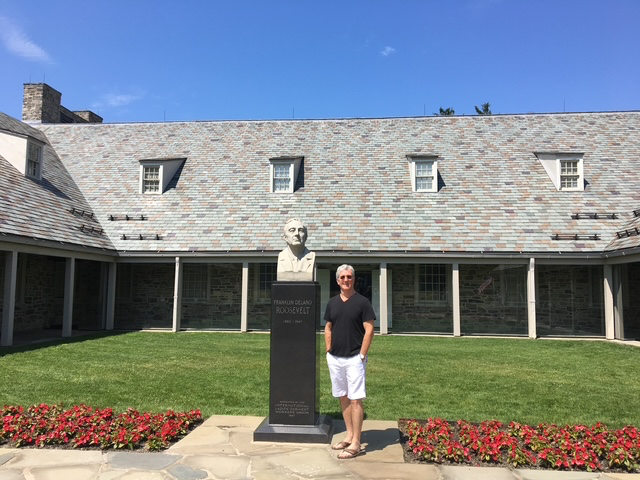
The home itself reflects generations of Roosevelt family history and feels personal. There is a balance between history and humanity which makes this national park so meaningful. Each visit reveals another layer, not just of a presidency, but of resilience, family, leadership and the will to continue forward despite enormous challenges.
I love visiting the homes and historic sites connected to the men who served as our presidents. Standing in the places where they lived and worked reminds me that these were individuals who carried responsibilities far beyond the average person. Their decisions shaped the nation during moments of crisis, sacrifice and uncertainty. Visiting these sites brings history into a more personal focus and gives me a greater appreciation for the determination, vision, and strength that defined their lives.

Read More From Nancy
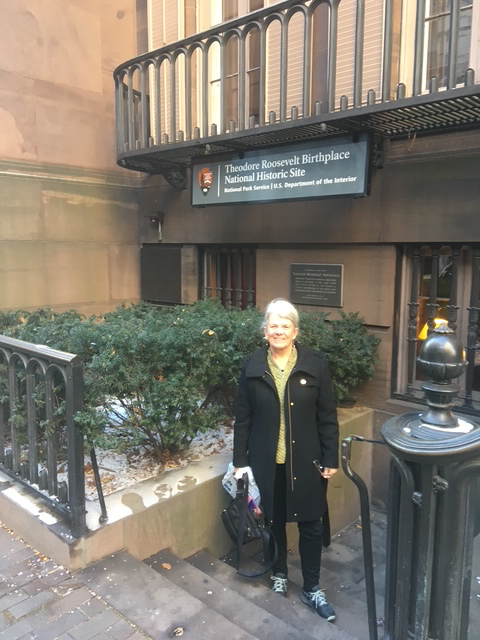
Theodore Roosevelt Birthplace National Historic Site
Theodore Roosevelt was born on October 27, 1858, in a brownstone home on East 20th Street in Manhattan. Though the original house was demolished in 1916, it was reconstructed in the 1920s on the original site, using photographs, family memories and original furnishings to recreate the homes it would have appeared during his childhood. The house reflects the […]
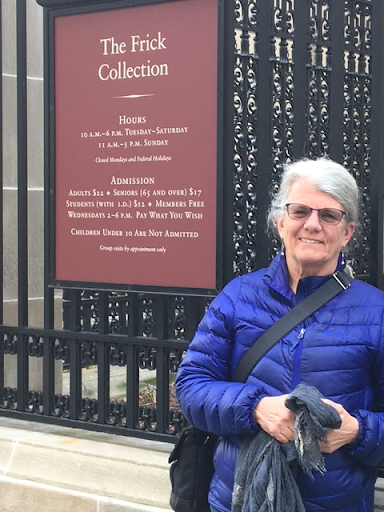
Henry Clay Frick House & Museum
A special place to visit in New York City is The Frick Collection. Like the Morgan Library, it reflects the vision of one of America’s great industrialists, Henry Clay Frick. Unlike many museums that were built to display art, this was Frick’s home. Completed in 1914, the mansion on Fifth Avenue was designed as both […]
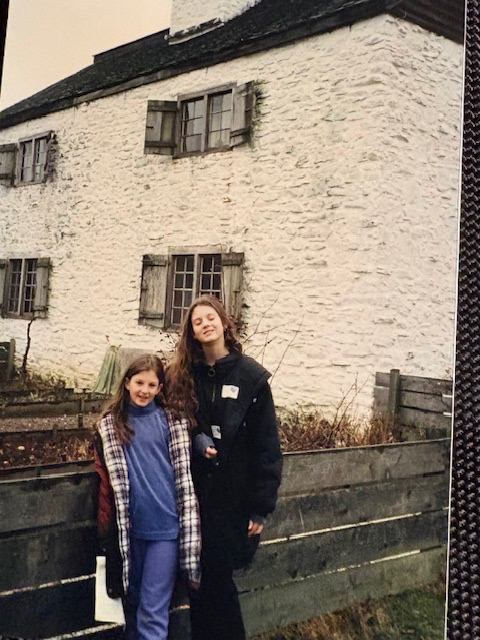
Dutch Farmhouse
During our homeschooling years, many of our lessons took place on the road. We would explore historic houses throughout New England and the Hudson River Valley, giving the girls a chance to step inside the past rather than just read about it. Traveling through this part of New York also reminded us that the region has […]

