Dutch Farmhouse
During our homeschooling years, many of our lessons took place on the road. We would explore historic houses throughout New England and the Hudson River Valley, giving the girls a chance to step inside the past rather than just read about it. Traveling through this part of New York also reminded us that the region has a very different early history from New England. Before it became New York, this area was part of the Dutch colony known as New Netherland, and the settlements along the Hudson River were shaped by Dutch culture, language and architecture.
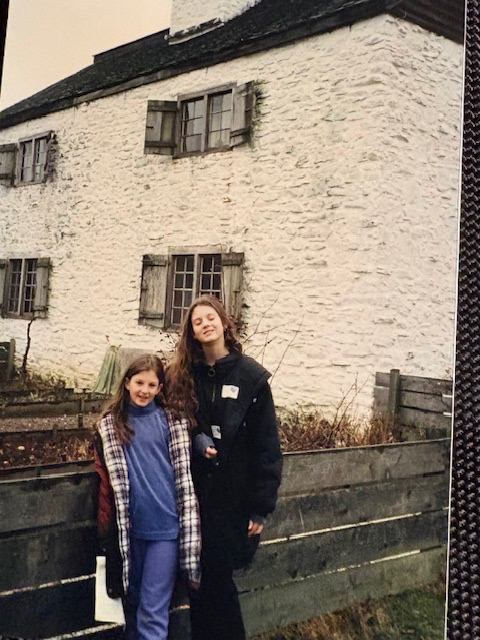
One of those stops was a Dutch stone farmhouse along the Hudson, built in the 1700s when Durch building traditions were still strong in the region. The thick stone walls and simple, practical design, offer a glimpse into how these early settlers lived.
The house is built of local stone, covered in a light stucco, and setting it apart from the wooden colonial houses more common in New England. The walls are thick, the windows small and deeply set and the structure is solid and protective.
Visiting homes like this gave us a glimpse into the lives of the Dutch families who farmed the Hudson Valley centuries ago. They showed us how people lived, built and adapted to life in early America. Our country begam with many cultures, each leaving their mark on the landscape.
Read More From Nancy
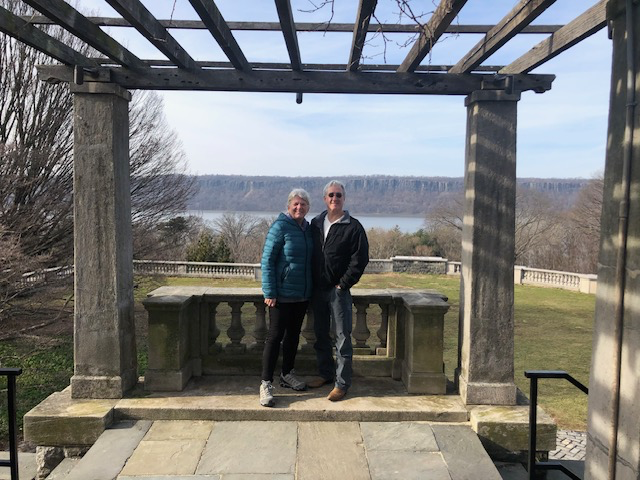
Wave Hill
Marty and I visited Wave Hill at the end of the autumn, when the Hudson shimmered below us. Perched high above the river in the Riverdale section of the Bronx, the former country estate felt worlds away from the bustle of the city with the sweeping views stretching toward the Palisades in New Jersey. Originally developed […]
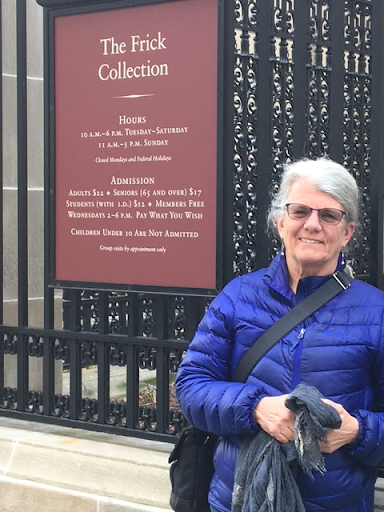
Henry Clay Frick House & Museum
A special place to visit in New York City is The Frick Collection. Like the Morgan Library, it reflects the vision of one of America’s great industrialists, Henry Clay Frick. Unlike many museums that were built to display art, this was Frick’s home. Completed in 1914, the mansion on Fifth Avenue was designed as both […]
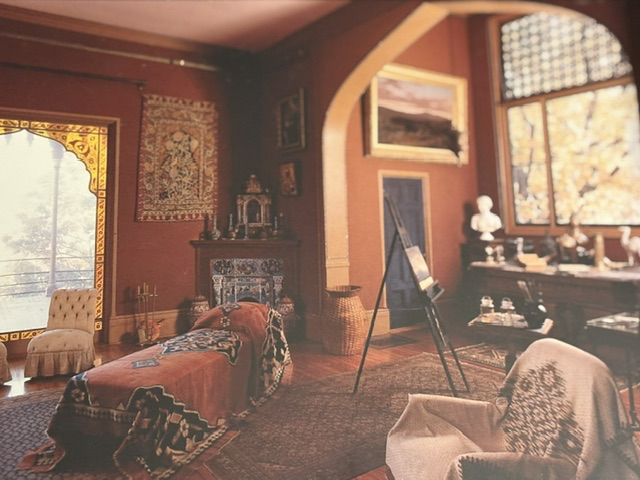
Frederic Church’s Olana
The extraordinary estate of Frederic Edwin Church overlooking the Hudson River is known as Olana. I have made the drive to Hudson, New York more than once simply to revisit this impressive home. The house itself is stunning, but it is the combination of architecture, landscape, and sweeping views that make Olana unlike any other historic home. Every window […]

