Thomas Cole National Historic Site
Thomas Cole is often considered the founder of the Hudson River School, America’s first true artistic movement. His home at Thomas Cole National Historic Site is modest, especially when compared to the grand estates of some of his students, yet this quiet setting became an important gathering place for artists.
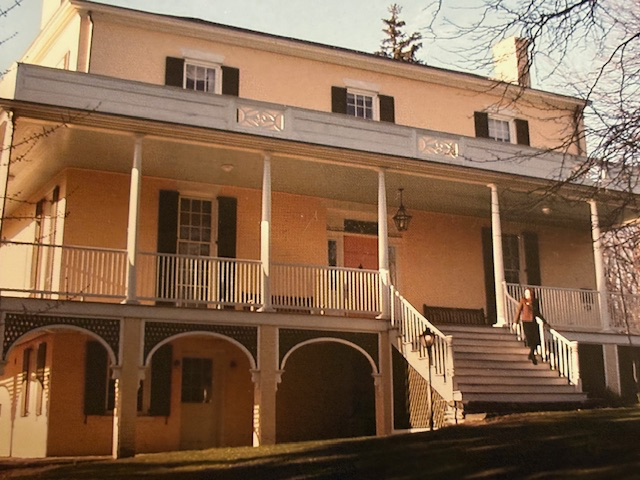
Within these walls, and in the surrounding landscape, ideas were shared, techniques were refined, and a distinctly American vision of art began to take shape. The Hudson River School was not a formal school, but rather a group of artists united by a shared philosophy: to capture the beauty, power, and spiritual presence of the American landscape. Their work celebrated the wilderness at a time when much of the country was still being explored, presenting nature not just as scenery, but as something deeply meaningful and almost sacred.
Cole’s influence extended far beyond this home. His students, including Frederic Edwin Church and Asher B. Durant, carried these ideas forward, creating larger, more dramatic works and building grand homes and studios that reflected their success. Through them, the movement spread across the country, shaping how Americans saw their land, from the Hudson Valley to the American West.
The Hudson River School helped define a national identity, placing value on preservation, beauty, and the emotional connection to nature. Its influence can still be seen today, not only in art, but in the creation of national parks and the enduring desire to protect these landscapes.
The home itself was preserved and designated a National Historic Site in 1999. This recognition ensured that the place where this movement began would be protected and shared with future generations.
From this place, a movement began, one that changed how a nation saw itself and its land.
Read More
Read More From Nancy
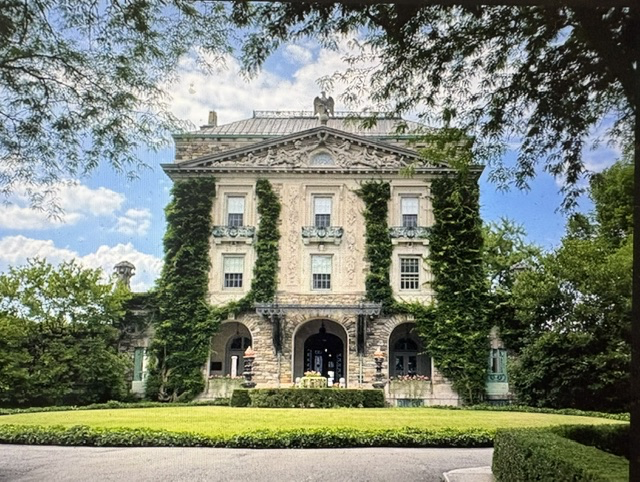
Kykuit
Marty and I traveled to the Hudson River Valley specifically to tour Kykuit, the Rockefeller family home, and to learn more about the family whose name became so closely connected with American industry, philanthropy, politics, conservation and the arts. I knew the Rockefeller name, of course, but visiting their home offered an opportunity to understand […]
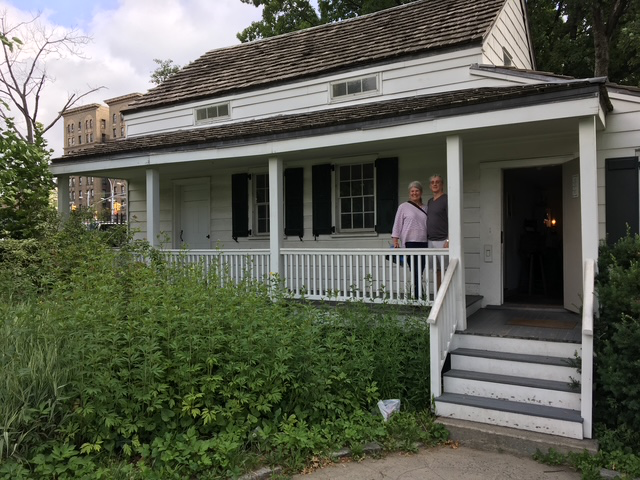
Poe’s Cottage
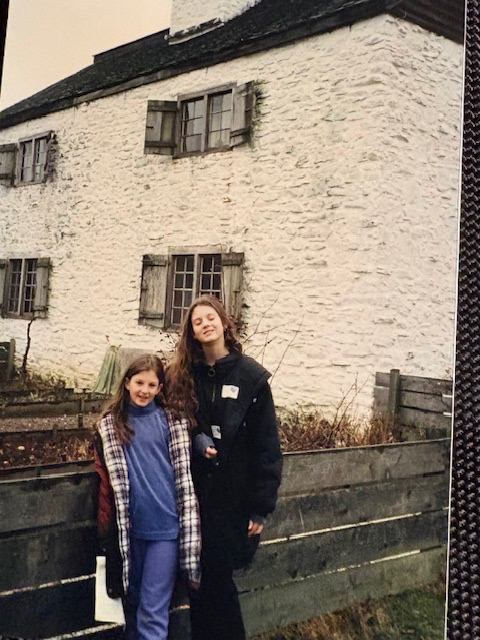
Tucked inside Poe Park in the Bronx is a small, white cottage that feels worlds away from the city that now surrounds it. The modest home was the final residence of Edgar Allen Poe, who moved here in 1846 seeking quiet and relief for his ailing wife, Virginia. At the time, this was rural farmland far […]
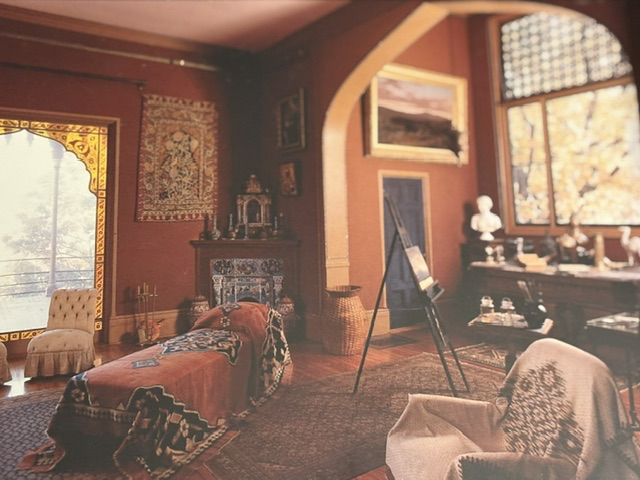
Frederic Church’s Olana
The extraordinary estate of Frederic Edwin Church overlooking the Hudson River is known as Olana. I have made the drive to Hudson, New York more than once simply to revisit this impressive home. The house itself is stunning, but it is the combination of architecture, landscape, and sweeping views that make Olana unlike any other historic home. Every window […]

