Chamizal National Memorial
The Chamizal National Memorial in El Paso is not a memorial of war or conflict, but one that marks the peaceful resolution of a long-standing international dispute.
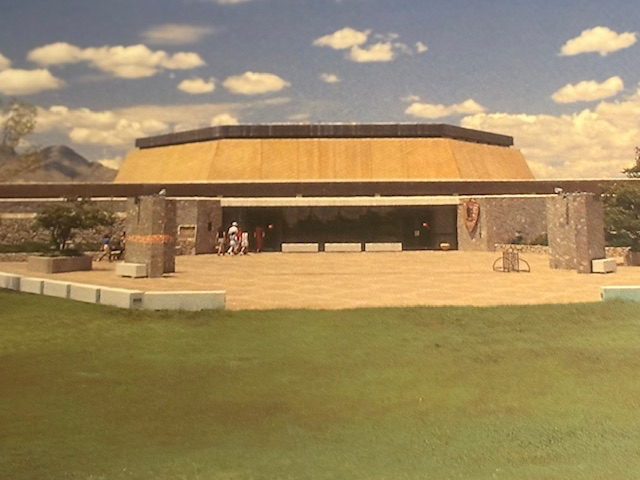
The land known as: “El Chamizal” became contested in the mid-1800s when the Rio Grande shifted its course, changing the boundary between the United States and Mexico. What followed was a dispute that lasted over a century, as both countries laid claim to the land.
In 1963, the issue was resolved through diplomacy. The agreement, known as the Chamizal Convention, was signed by John F. Kennedy and Adolfo Lopez Mateos, marking a successful negotiation over a border conflict.
To commemorate this resolution, the site was established as a national memorial in 1974 and placed under the care of the National Park Service.
Chamizal does not focus on conflict, but on cooperation and shared history. This visitor center focuses on highlighting the story and the cultural exchanges between the U.S. and Mexico.
Read More From Nancy
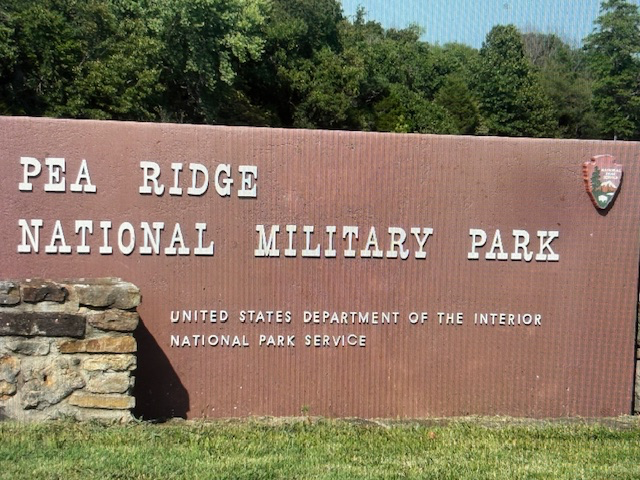
Pea Ridge National Military Park
Many of our National Historic Sites preserve the landscapes of America’s military past, especially Civil War battlefields. So many of these places are found in Pennsylvania, Virginia and the Carolinas, but Pea Ridge stands as one of the important Civil War sites in the West. Here a pivotal chapter of the conflict is found in the […]
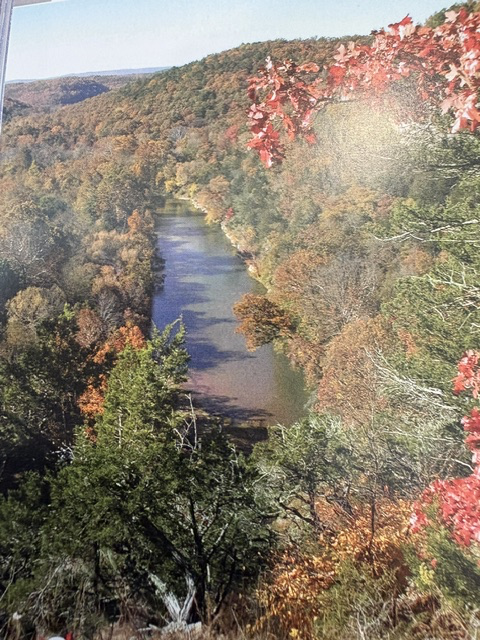
Buffalo National River
The Buffalo River begins as a small stream in the Boston Mountains of northwestern Arkansas, approximately 15 miles above the national park boundary. Following a course believed to be very ancient, the river travels eastward through the Ozarks before joining the White River. Over time, the Buffalo cut deeply into the surrounding plateau, creating massive […]
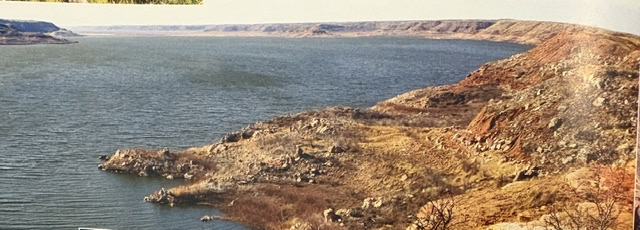
Lake Meredith National Recreation Area
Surrounded by the dry grasslands and windswept plains of the Texas Panhandle, the deep blue waters of Lake Meredith appear almost unexpected. Yet this striking contrast is exactly what makes the area so remarkable. Lake Meredith National Recreation Area was established on November 28, 1965, following the completion of Sanford Dam on the Canadian River. […]

