Arrowtown
Arrowtown is one of those rare towns where history feels close to the surface. Tucked just outside Queenstown, it began as a gold mining settlement in the 1860s, during the rush that brought thousands into the region following discoveries along the Arrow River.
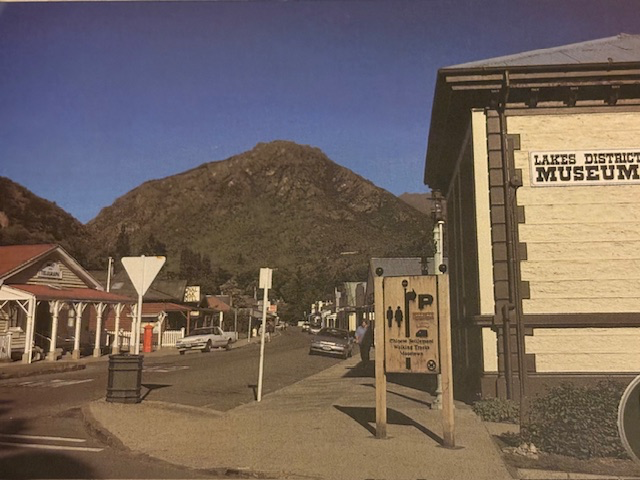
The town quickly grew as miners, many of them European and later Chinese, worked the river and surrounding hills. What makes Arrowtown unique is how much of that early period has been preserved. Walking down the main street, we saw original wooden and stone buildings that once housed banks, hotels and trading posts. They are not reconstructions they are the actual structures for the gold rush era.
Just beyond the main street is the Chinese Settlement, a collection of small-restored huts that tell a quieter, often overlooked part of the town’s history. Chinese miners were invited to rework claims abandoned earlier prospectors, and they lived in simple, harsh conditional along the river
When Marty and I visited, we realized this was not a recreated historic village, but a town that had simply carried the past forward. We did not have to imagine what it once was, we could see it.
Read More
Read More From Nancy
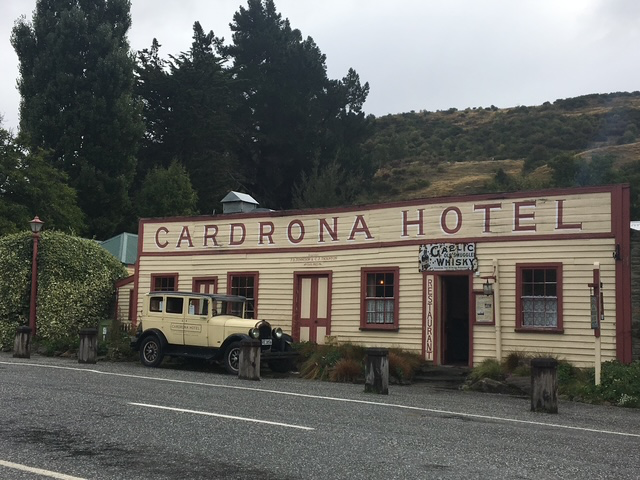
Cardrona Hotel
Traveling between Queenstown and Wānaka, one of the most memorable stops is the tiny settlement of Cardrona. Nestled in a quiet valley along the historic Crown Range Road, it is home to one of New Zealand’s most recognizable landmarks: the Cardrona Hotel. Built in 1863 during the Otago gold rush, the hotel was established to serve […]
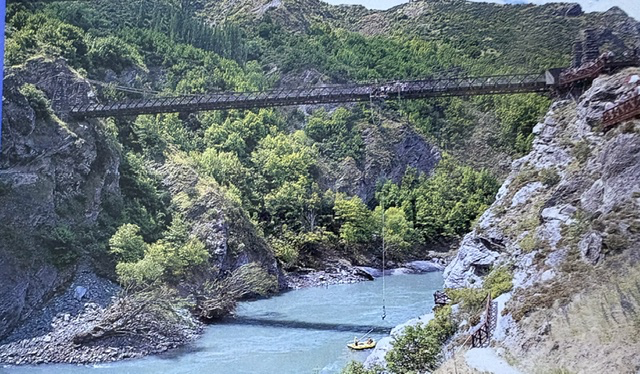
Kawarau Gorge Suspension Bridge
While traveling through New Zealand, we visited the Kawarau Gorge Suspension Bridge, which spans the blue-green waters of the Kawarau River on the South Island. I knew before we arrived that I would not be jumping, but watching others step onto the platform, overcome their hesitation, and leap into the gorge became an experience in […]
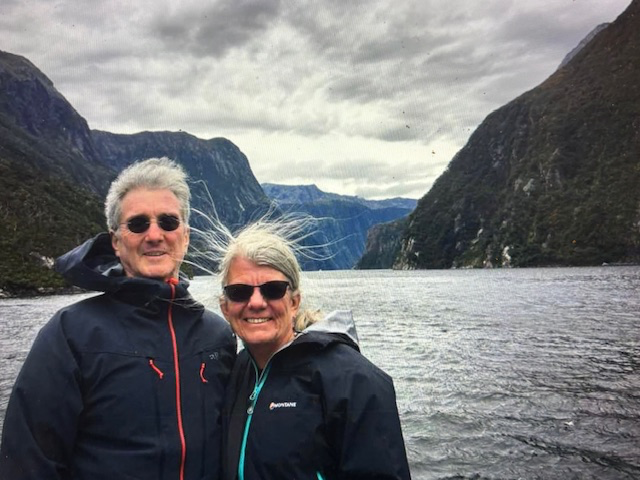
Milford Sound
In 2018, while we were in New Zealand teaching on the North Island, we carved out time to cross to the South Island for a holiday. One destination was Milford Sound, set deep within the UNESCO World Heritage region known as Te Wahipounamu. Reaching it felt like an expedition in itself. The drive carried us through […]

