Eiffel Tower
There are certain landmarks across the world that have become instantly recognizable. Once you see them, you know exactly what they are and often where they stand. That is certainly true for the Eiffel Tower.
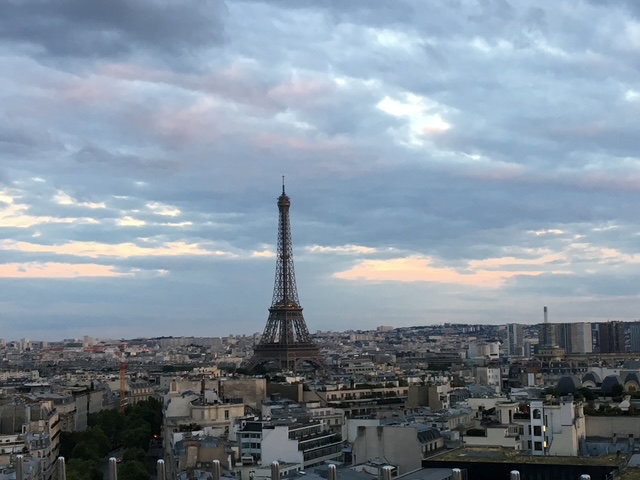
The first time we visited Paris, of course we did what first-time visitors do: we took the ride up the tower. Standing high above the city and looking out across the rooftops is a remarkable experience. Every other time we returned to Paris, we told ourselves we didn’t need to go up again. Yet somehow it remains one of those places that quietly demands a visit. Even if you only walk beneath it, to admire it, the tower seems to draw you back.

The Eiffel Tower was built for the 1889 Exposition Universelle, the world’s fair celebrating the 100th anniversary of the French Revolution. Designed by Gustave Eiffel, the structure was meant to demonstrate France’s industrial progress.
When it was completed in 1889, the tower stood 984 feet tall, making it the tallest man-made structure in the world at the time. Its delicate lattice design allowed the massive structure to withstand strong winds while appearing light and graceful.
The tower was intended to be temporary. Many Parisians disliked it and some called it an industrial eyesore that spoiled the beauty of the city. But the tower proved too useful to remove. Its height made it ideal for radio transmission and the structure found a new purpose. So it remained and gradually it became the very symbol of Paris.
Read More From Nancy
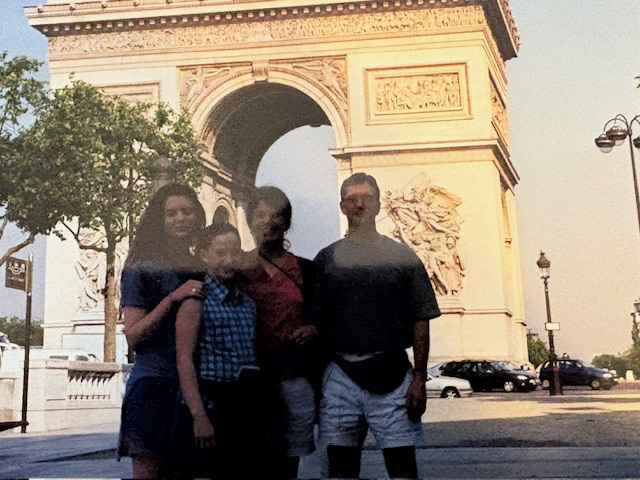
Arc de Triomphe
Few landmarks instantly signal a visit to Paris quite like the Arc de Triomphe. It appears again and again in family photographs, historic parade scenes and images of victory marches. Standing at the western end of the Champs-Elysees, the great arch stands where French history unfolded. The story of the Arc begins in 1806, when Napoleon […]
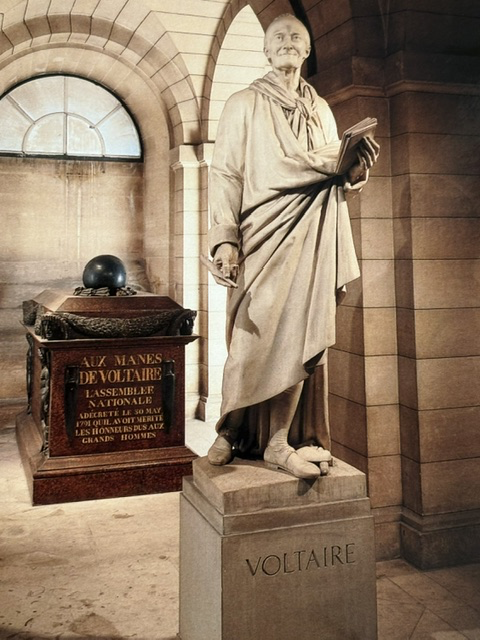
Voltaire in Pantheon
During our visit to the Pantheon in Paris, I took this photo of Voltaire, one of the leading figures of the French Enlightenment. Born in 1694, he was a writer, philosopher and outspoken advocate for freedom of thought and religious tolerance. His ideas challenged the institutions of his day. The statue stands near the entrance to the […]
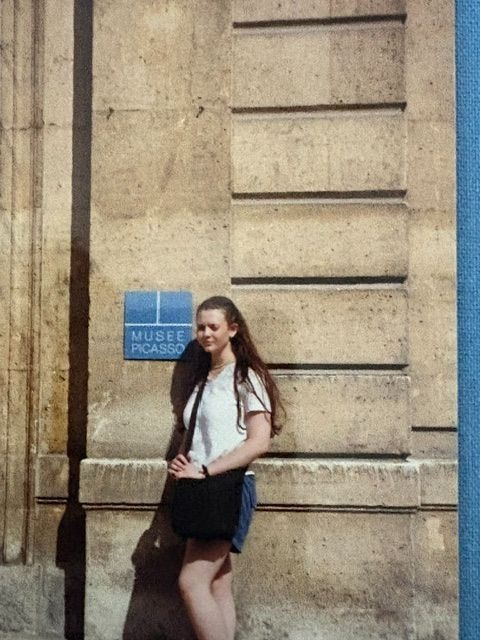
Musée Picasso
In the Marais district of Paris, the Musée national Picasso-Paris occupies a mansion whose history began more than three centuries before it became a museum. Known as the Hôtel Salé, the building brings together the legacy of a seventeenth-century fortune and the work of one of the twentieth century’s most influential artists. The mansion was […]

