Sachsenhausen Concentration Camp
For me, exploring history means looking at the good, the bad, and the ugly. Traveling to Germany was a challenging choice for Marty. Our first German city was Berlin, a beautiful and vibrant place that embraces music, the arts, and an extraordinary culinary scene. Yet it was also here that we visited our first concentration camp: both the first one we had ever seen and one of the earliest camps created by the Nazi regime.
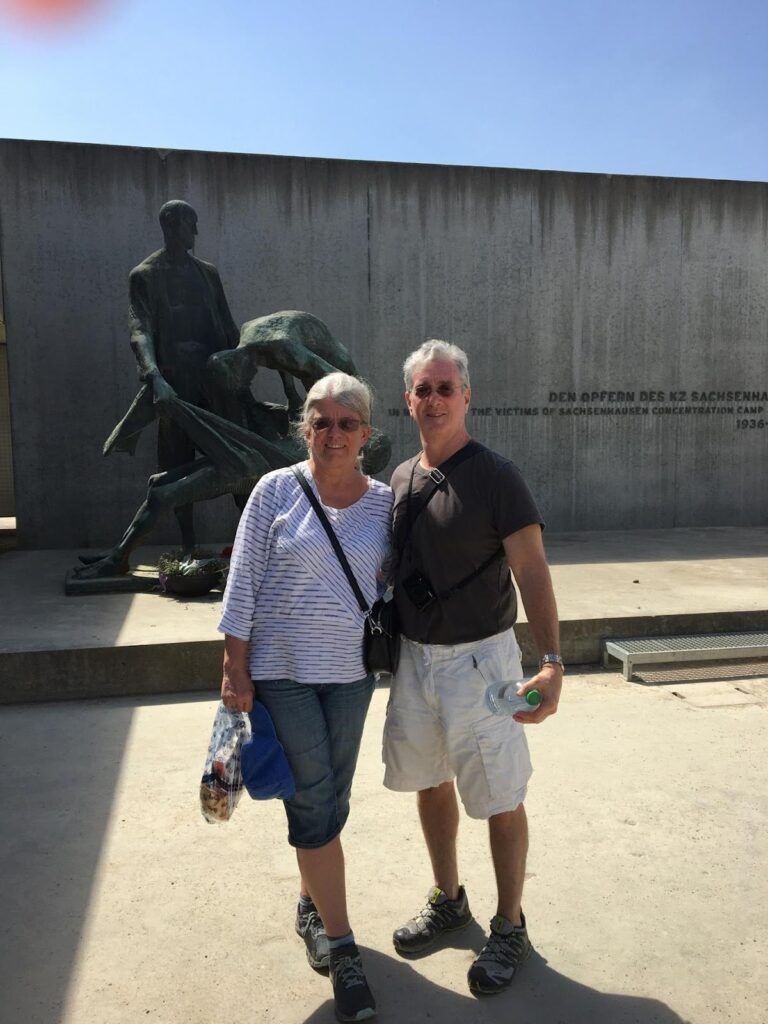
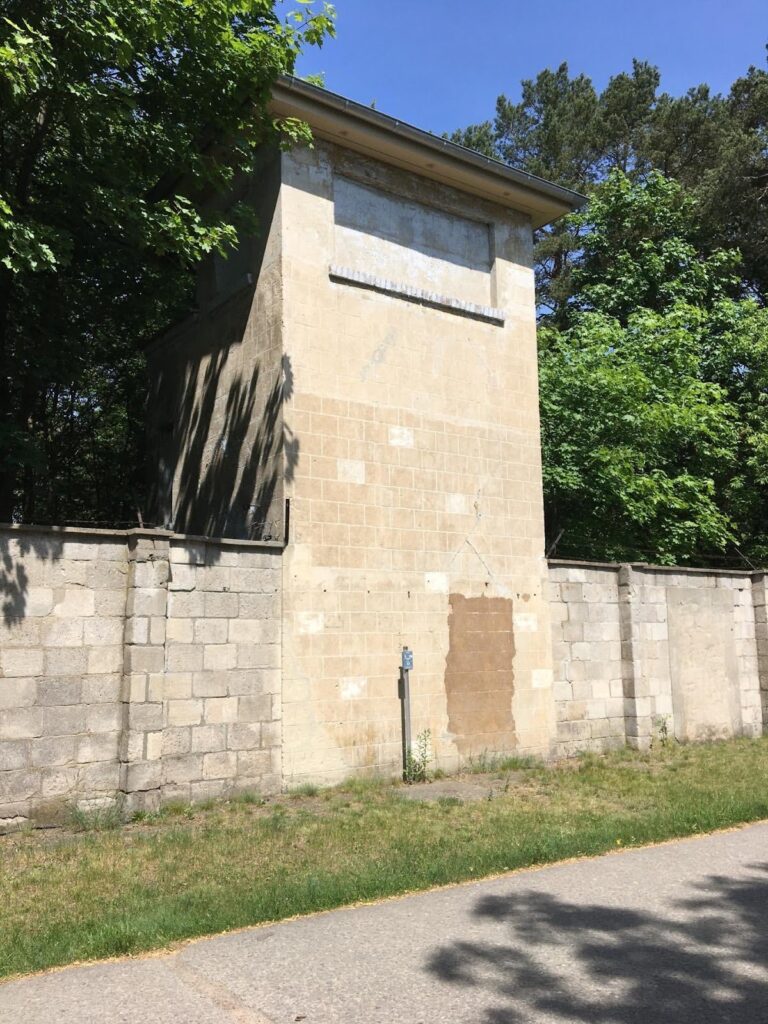
Just outside Berlin, in the town of Oranienburg, stands Sachsenhausen. The camp was established in 1936 under Adolf Hitler and administered by the SS. Unlike some of the earlier camps that developed quickly after Hitler came to power. Sachsenhausen was deliberately designed as a model concentration camp. Its triangular layout allowed guards in the central watchtower to oversee nearly the entire compound. Because of its proximity to Berlin, the camp also served as a training center for SS officers, who learned here how to administer the expanding concentration camp system that would spread across Nazi-occupied Europe.
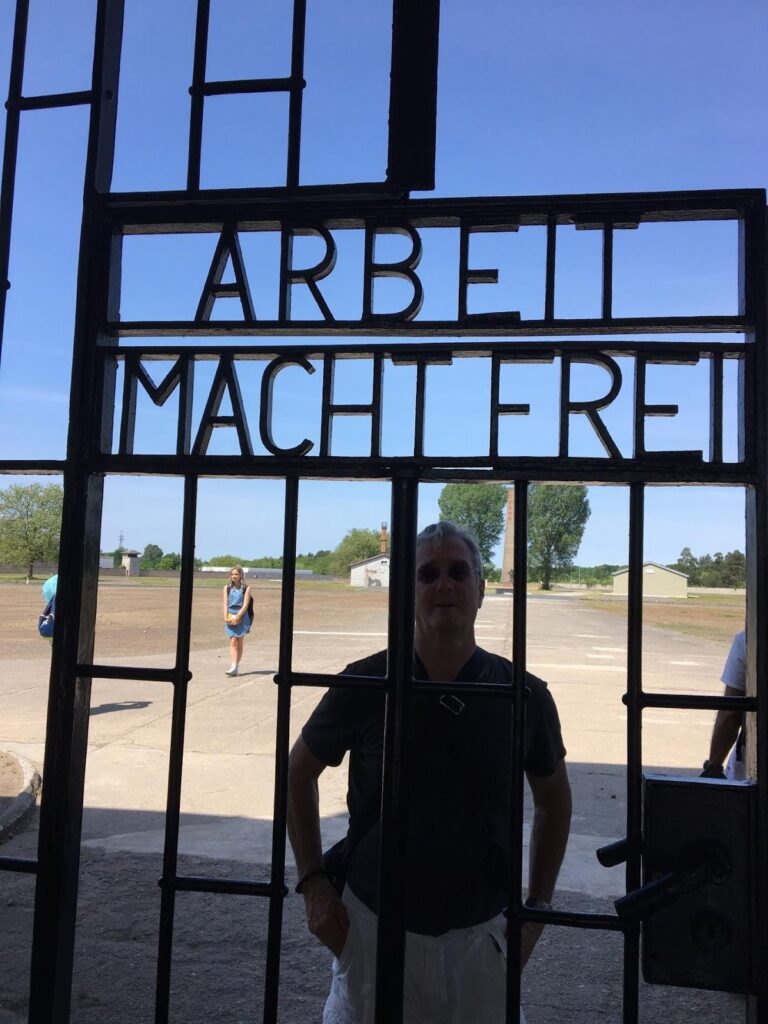
The entrance gate bears the words “Arbeit Macht Frei” – “Work Makes Your Free“. Prisoners arriving here passed beneath those words as they entered a world of forced labor, starvation, humiliation and brutality. In the early years many prisoners were political opponents of the Nazi regime: communists, social democrats, journalists, clergy and intellectuals who resisted Hitler’s rise to power. Over time the prisoner population expanded to include Jews, Roma, Soviet prisoners of war, and others the Nazis labeled enemies of the state.
Within the camp complex stood the notorious Zellenbau, sometimes called the camp prison. The building held prisoners considered especially important. High profile detainees were isolated in these cells, where punishments took place away from the main camp population. One of the most unusual prisoners held here was Yakov Dzhugashvill, the son of Joseph Stalin. Captured by German forces in 1941, he was imprisoned in this camp. Yakov died at the camp in 1943 when he ran into the electrified fence and was shot by guards.
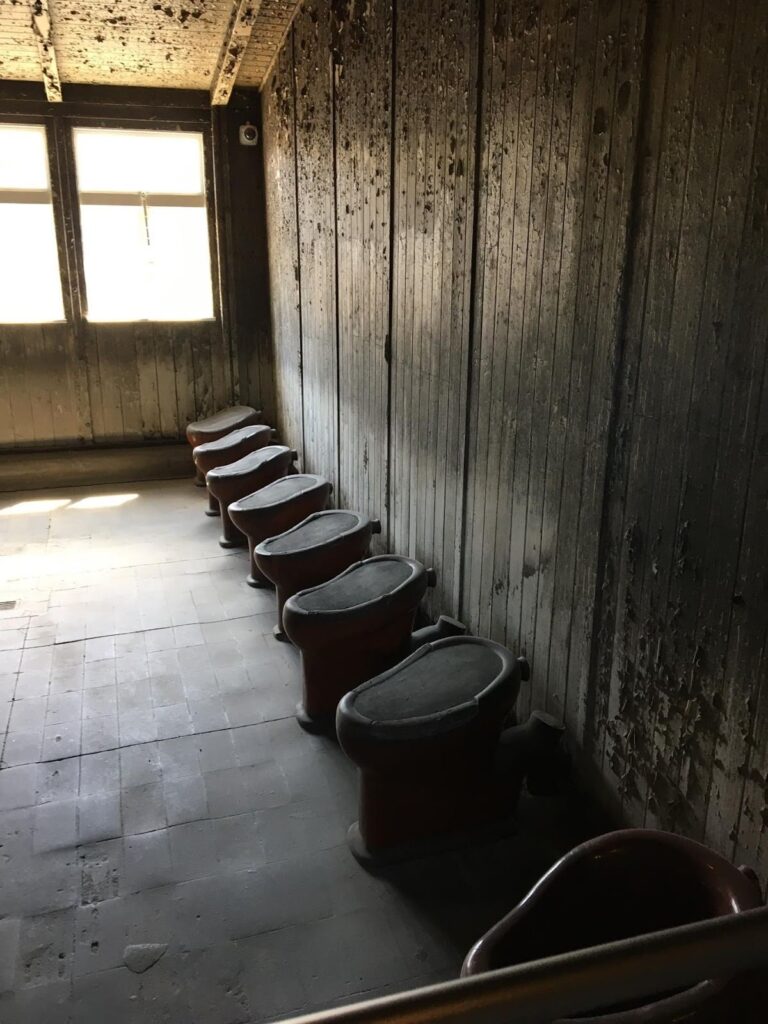
When Soviet forces liberated Sachsenhausen in April 1945, the camp revealed the scale of suffering inflicted here. Tens of thousands of prisoners had died through execution, disease, starvation and forced labor.
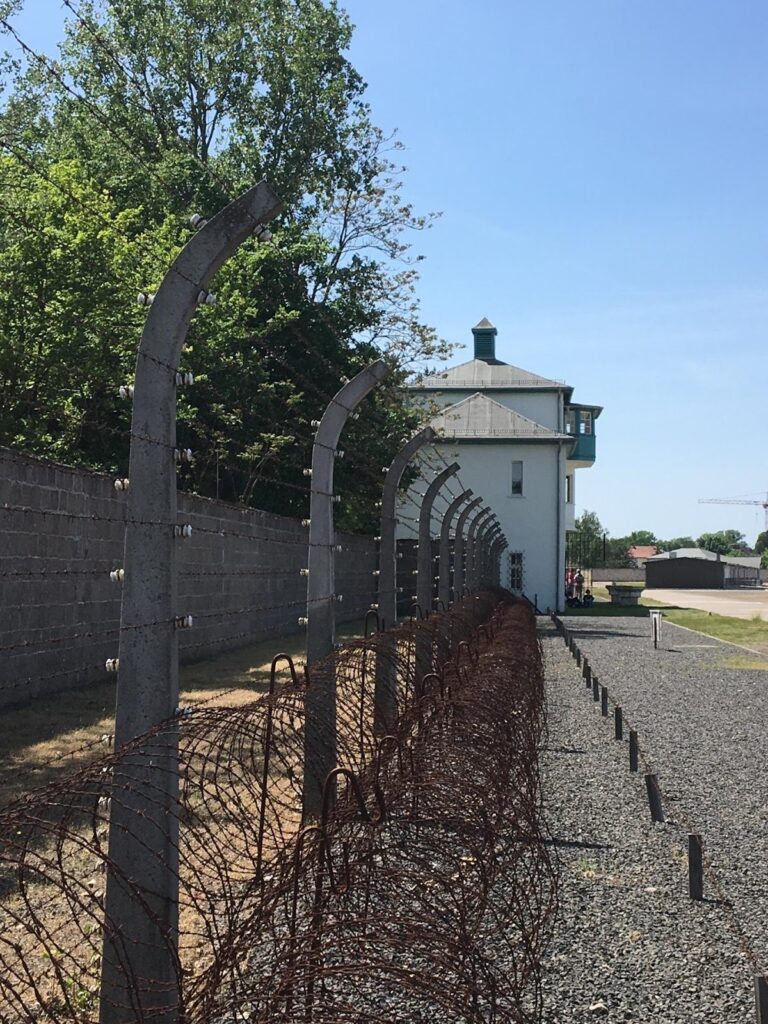
For me, rambling through history means being willing to see all of it: the inspiring achievements, the ordinary lives, and the darkest chapters as well. Places like this are difficult to visit, but they are part of the human story and cannot be ignored.
Read More
Read More From Nancy
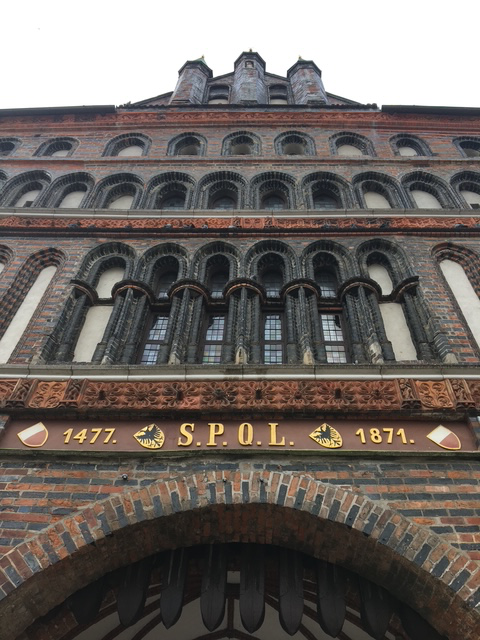
S.P.Q.L. – The Senate and People of Lübeck
While standing beneath the Holstentor in Lübeck, one detail caught my attention. Above the entrance are the letters S.P.Q.L., an inscription modeled after the famous Roman initials S.P.Q.R., meaning “The Senate and People of Rome.” In Lübeck, the letters stand for Senatus Populusque Lubecensis—”The Senate and People of Lübeck.” The inscription reflects the city’s pride in its long […]
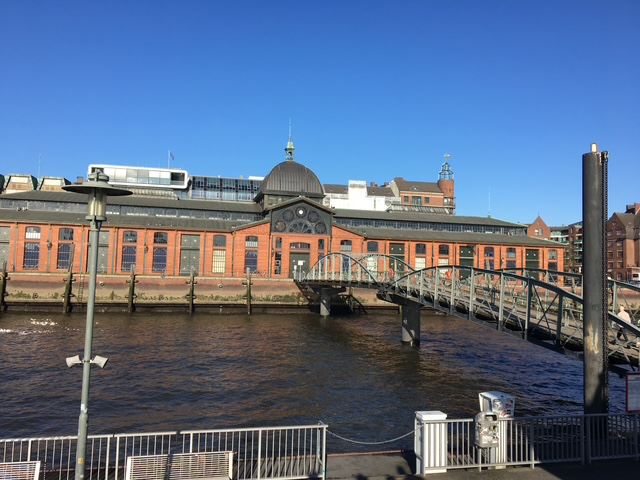
Historic Fish Auction Hall
During our visit to Hamburg, we explored the waterfront that has shaped the city’s identity and prosperity for centuries. Along the Elbe River stands the historic Fish Auction Hall, or Fischauktionshalle, a reminder of the time when fishing boats, merchants, and dockworkers filled this part of the harbor. The fishing tradition in this area dates […]
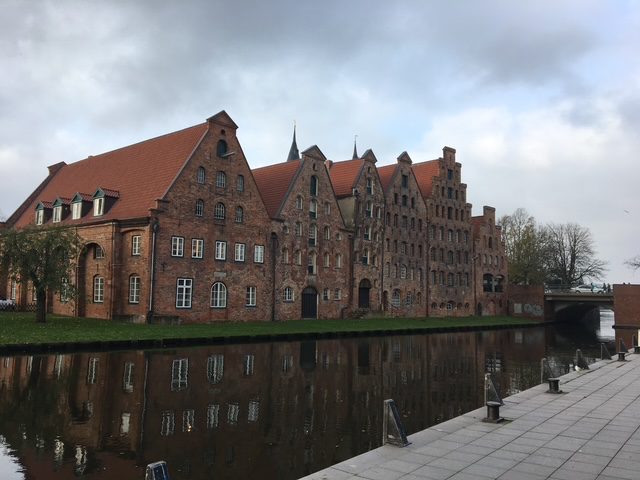
The Salt Storehouses
Standing along the Trave River near Lübeck’s Holsten Gate, the six buildings known as the Salzspeicher, or Salt Storehouses, preserve the story of a commodity that helped make this northern German city wealthy and powerful. Their rows of windows, steep red roofs, and distinctive stepped gables reflect in the water, creating one of Lübeck’s most […]

