Frederick Law Olmsted National Historic Site
The first time I visited the Frederick Law Olmsted National Historic Site in Brookline, everything was new to me: his name, his work, even the realization that so many landscapes I had walked through carried the imprint of one mind.
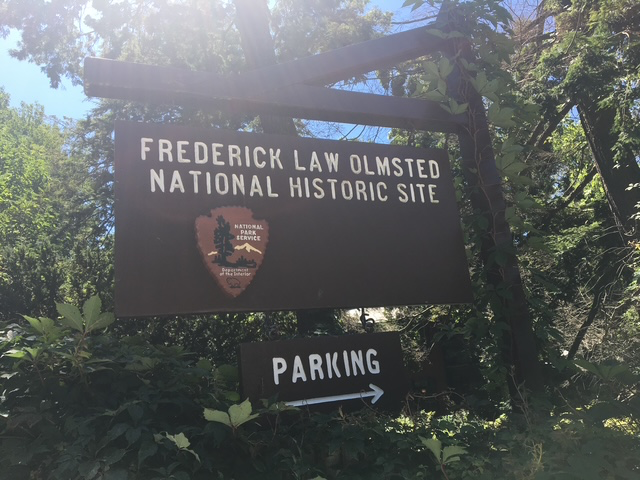
I did not grow up knowing who Frederick Law Olmsted was. I knew about parks. I knew the feeling of shaded paths, open meadows, and water woven gently through a city. But I did not know there was intention behind it: philosophy, design, conviction.
Standing inside Fairsted, his home and office, I began to understand. This was not simply a man who liked gardens. This was someone who believed public parks were essential to democracy. In an era of crowded, industrializing cities, he argued that access to natural beauty was not ornamental, it was necessary for public health and civic life.
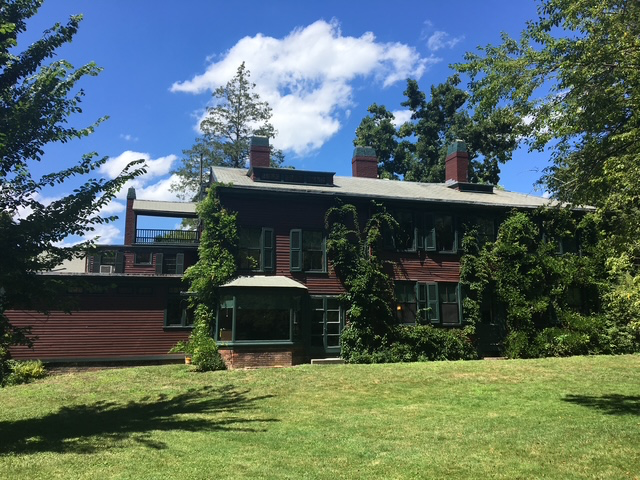
From this quiet Brookline property came plans for Central Park, Boston’s Emerald Necklace and landscapes across the country. The preserved drafting tables and office rooms make it clear that this was careful, collaborative work. It was visionary and practical at the same time.
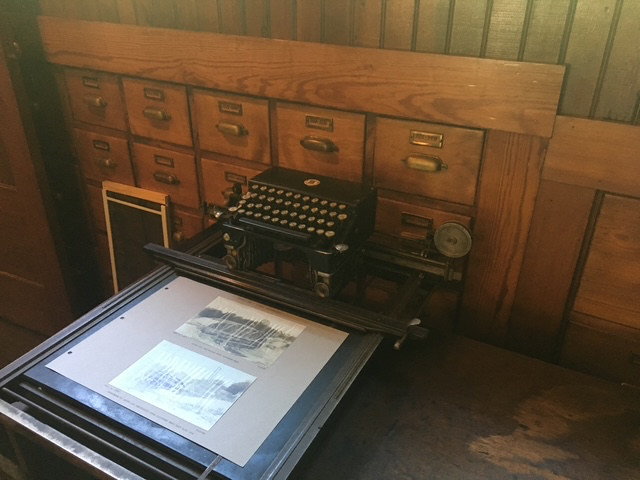
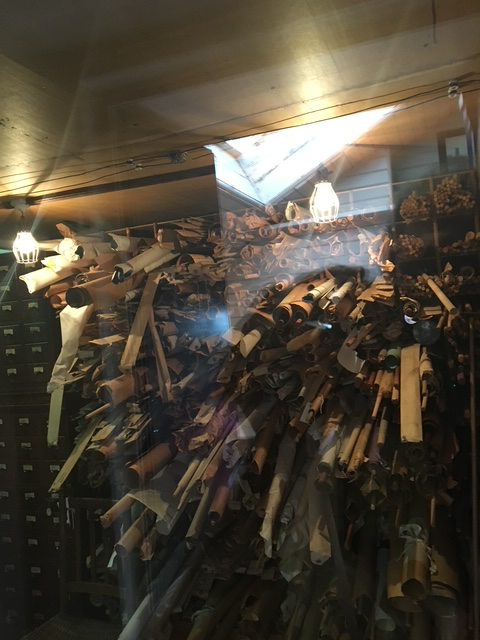
The site itself was designated a National Historic Site in 1979 by the United States Congress and is preserved and managed by the National Park Service. Its protection ensured that not only Olmsted’s home, but also the archives and working office of the nation’s first landscape architecture firm, would remain intact for future generations. It is a National Park Site dedicated to an idea: that designed landscapes shape human experience.
Once I learned of his influence, I noticed it everywhere. The curved pathways instead of rigid lines. The gradual reveal of a vista. The careful blending of meadow, woodland and water. It changes how I walk through a park as I participate in the design.
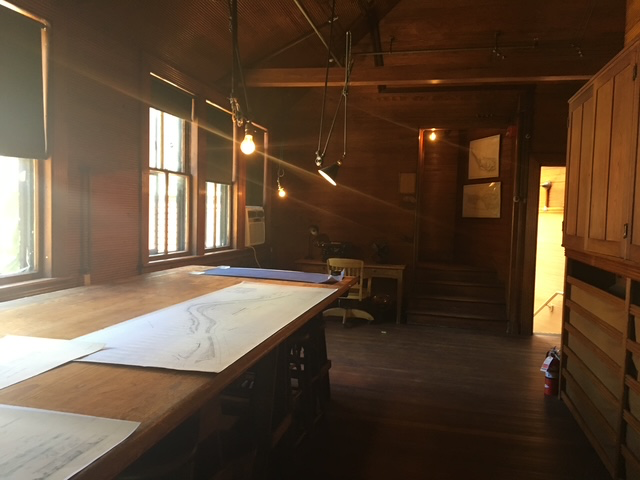
History is quietly embedded in the spaces where we gather, and meander.
Read More
Read More From Nancy
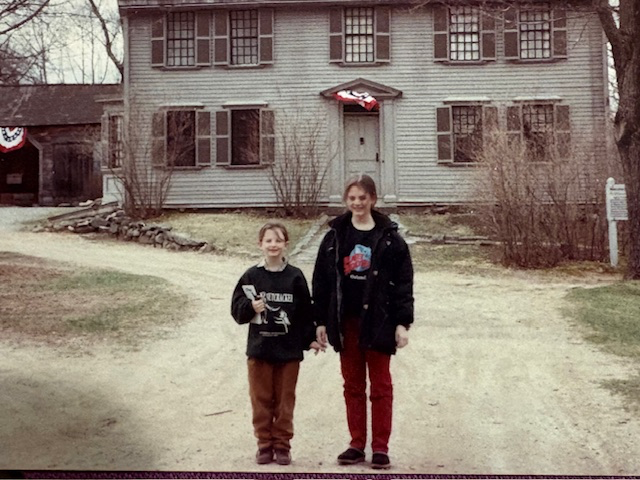
Old Manse
One homeschooling morning, I took Emmy and Erin to visit the Old Manse in Concord. As was often the case with weekday explorations, the house was nearly empty. Museums and historic sites were a big part of our schooling. Built in 1770 for the Reverend William Emerson, the Old Manse stands just steps from the […]
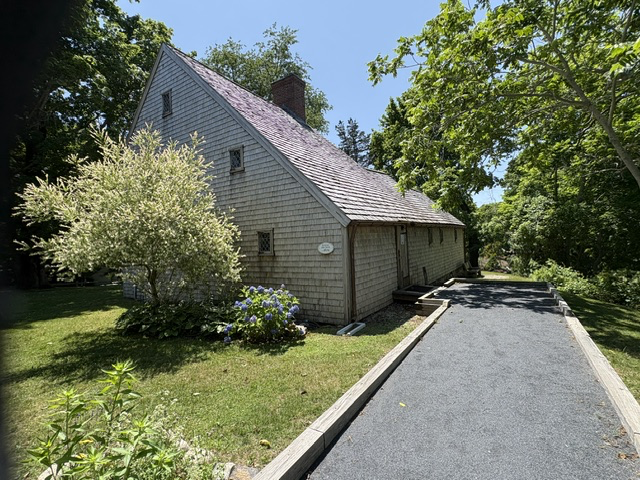
Hoxie House
Overlooking Shawme Pond in Sandwich stands one of the oldest surviving houses on Cape Cod. Today it is known as the Hoxie House, but its earlier story belongs to the Reverend John Smith, Sandwich’s second minister, who occupied the house around 1675 with his family. The simple saltbox appearance is exactly what makes the house […]
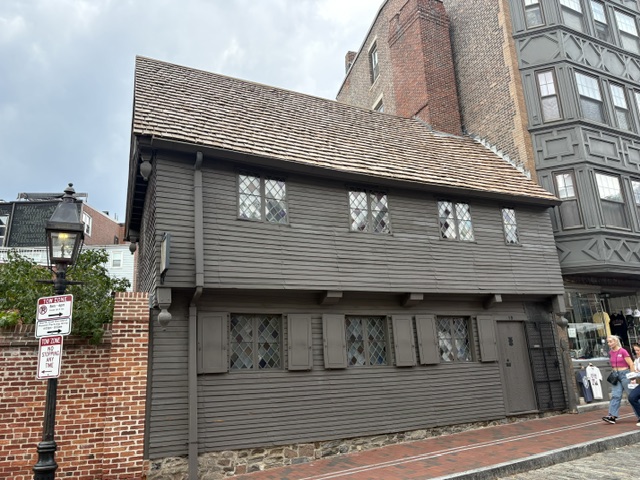
The Paul Revere House
Many of our visits to Boston lead us along the Freedom Trail, even if we follow only a small portion of it. As we meandered through the North End, we returned to the Paul Revere House in North Square. Its wooden exterior, overhanging second story, and diamond-paned windows stand apart from the taller buildings surrounding […]

