Grapevine Cottage
I grew up enjoying grape jelly on my toast. Like many children, I never thought about where the familiar flavor came from. It wasn’t until much later that I learned the grape behind the jelly: the Concord grape, originated from vines grown by a man named Ephraim Wales Bull in Concord.
While exploring Concord, this modest house reads: “Grapevine Cottage” and marks the place where one of the most famous grapes in American agriculture was developed.
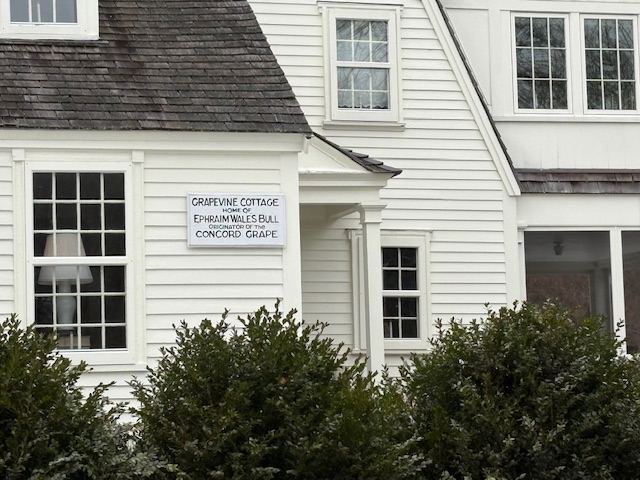
In the 1840s, Ephraim Wales Bull set out with the goal to create a grape variety that could thrive in the harsh climate of New England. His work required patience. Bull planted thousands of seedlings observing which vines could survive the climate. Out of more than 22,000 seedlings, only a handful showed promise. Eventually, one vine produced a grape that had the qualities to be hardy, productive and flavorful.
In 1849, Bull introduced what became known as the Concord grape. This grape became important in American food culture. Its deep purple color and distinctive flavor made it ideal for juice, jams and jellies. The grape jelly I remember from my childhood owes its existence to Bull’s work in this small Concord garden.
Despite the grape’s success, Bull himself did not become wealthy from his invention. When he died in 1895, his grave reads: “He sowed, others reaped“
The marker on Grapevine Cottage honors the place where Bull carried out years of careful experimentation that changed American agriculture. The Concord grape remains one of the most recognizable fruits in the country, and its flavor continues to appear in juices, jams and jellies across generations.
Read More From Nancy
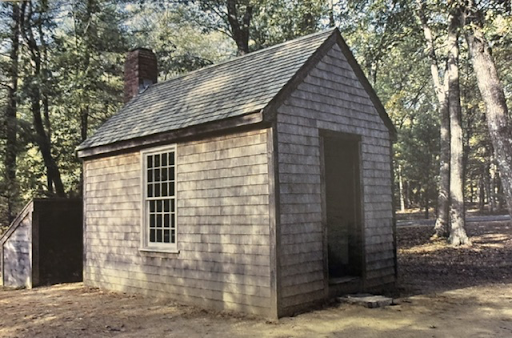
Thoreau’s Cabin
While visiting Walden Pond, I stopped at this replica of Henry David Thoreau’s famous cabin. Although the original cabin no longer exists, this reconstruction offers visitors an opportunity to imagine the simple life Thoreau embraced while living beside the pond from 1845 to 1847. At just 10 by 15 feet, the cabin reflected Thoreau’s belief […]
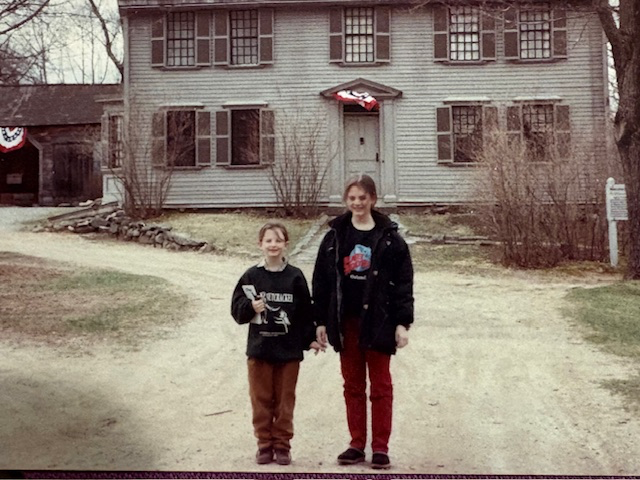
Old Manse
One homeschooling morning, I took Emmy and Erin to visit the Old Manse in Concord. As was often the case with weekday explorations, the house was nearly empty. Museums and historic sites were a big part of our schooling. Built in 1770 for the Reverend William Emerson, the Old Manse stands just steps from the […]
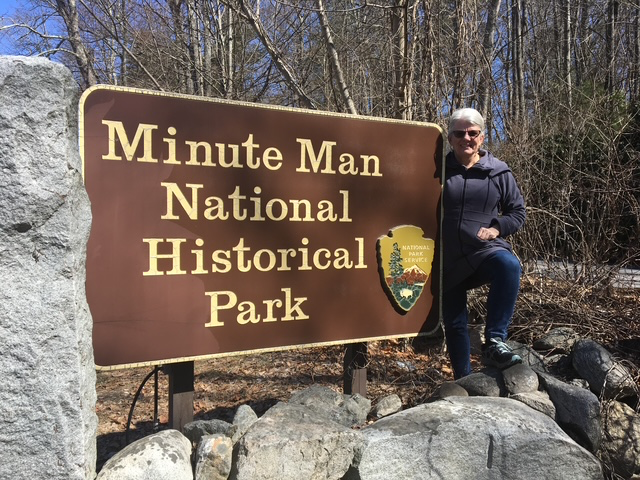
Minute Man National Park
On numerous acres stretches Minute Man National Historical Park. As a Massachusetts resident, we have visited this park several times. The park encompasses approximately 1,000 acres across the towns of Lexington, Lincoln, and Concord, preserving the landscape of April 19, 1775. This date was the opening day of the American Revolution. It was established as a National […]

