King Philip Historic District
Driving west along Route 10 from Wayland into Sudbury, it is easy to miss the roadside marker that reads: “Entering King Philip Historic District“. This simple sign points to one of the oldest colonial settlement areas in Massachusetts and to events connected with one of the most significant conflicts in early New England history.
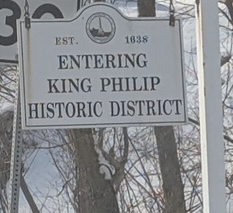
The district lies within the historic town of Sudbury which was first settled by English colonists in 1638. At that time the settlement stretched across a large territory along the Sudbury River and along the Native American trails that eventually became today’s Boston Post Road, modern Route 20.
The name on the sign refers to King Philip, the English name given to the Wampanoag leader Metacom. He led Native American forces during the conflict known as King Philip’s War, one of the most devastating wars in early American colonial history.
By the 1670s tensions between English settlers and Native nations had been building for decades as colonial settlements expanded into Native Lands. The conflict that erupted in 1675 quickly spread across much of New England and became a brutal struggle affecting dozens of towns.
Sudbury played a major role in that war. In April of 1676, Native forces attacked the settlement during what became known as the Battle of Sudbury. Several buildings were burned and colonial militia forces responding from nearby towns were ambushed. The battle resulted in heavy casualties for the colonial troops and remains one of the largest engagements of the war in Massachusetts.
Because of these events, portions of Sudbury connected with the conflict were later recognized for their historical significance. The King Philip Historic District marks an area associated with those early colonial settlements and with the events of King Philip’s War.
This small roadside marker points to the early founding of Sudbury in 1638, the expansion of colonial settlement into the interior of Massachusetts and the tragic and complex conflict of King Philips’ War, which reshaped relations between Natick peoples and English colonists throughout New England.
Read More From Nancy
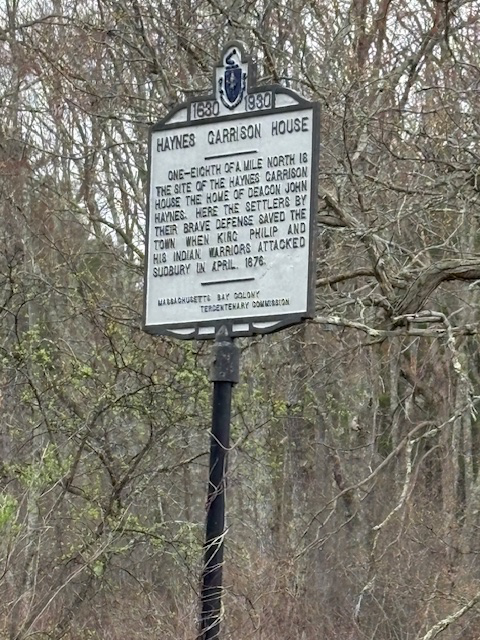
Haynes Garrison House
I love discovering these Massachusetts Tercentenary markers scattered across the landscape. What an ambitious historical project this must have been in 1930 as historians and towns worked together to identify and mark hundreds of important colonial sites across Massachusetts This marker stands alongside the roadside in Sudbury. It commemorates the site of the Haynes Garrison House and the […]
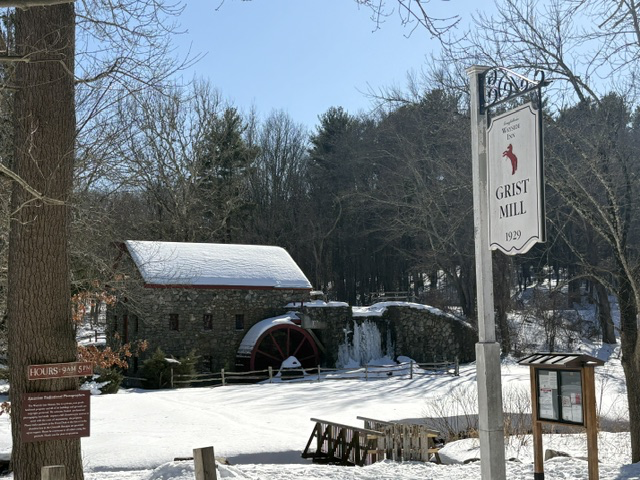
The Wayside Inn Grist Mill
The picturesque Grist Mill at the Wayside Inn is one of the most photographed landmarks in Massachusetts, but it is much more than a scenic backdrop. Built by Henry Ford in 1929, the mill was constructed near the site of the original How family grist mill that had served the inn and surrounding farms during […]
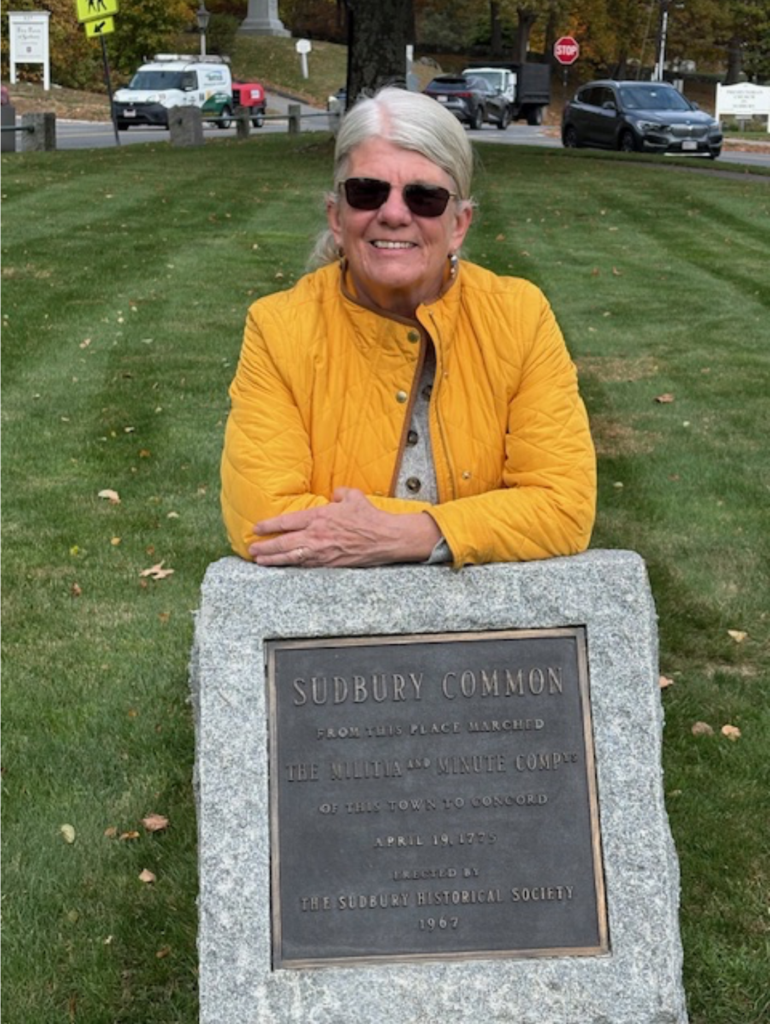
Colonial Militia Monument
As I have explored and shared about many of the towns in Massachusetts that have colonial roots, I have noticed how prominently they mark their connection to the start of the Revolutionary War. The monuments are often placed center stage, physical reminders of the role each community played on April 18, 1775. Acton built a […]

