Tuzigoot National Monument
Rising above the Verde Valley in Central Arizona, Tuzigoot National Monument is one of those places where the land and the past feel inseparable.
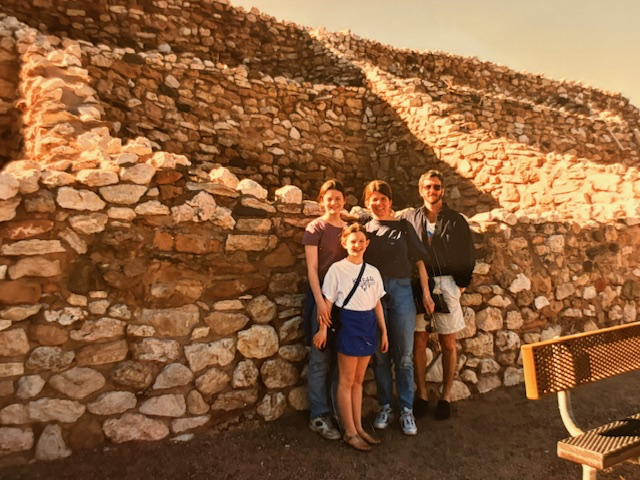
Tuzigoot preserves the remains of a large prehistoric settlement constructed by the Sinagua people, who lived in this region between the 1100s and early 1400s. Over time, what began as a smaller cluster of rooms expanded into a sprawling, multi-story complex of more than one hundred stone structures arranged along the crest of a hill. Walking the loop trail, we moved room by room through foundations that once held homes, storage areas and communal spaces.
The name “Tuzigoot” comes from Apache words translated as “crooked water”, a reference to the nearby Verde River. From the ridge, you can see why the location mattered: fertile floodplains lay below, while elevated sites provide visibility across miles of landscape. Archaeologists believe the residents farmed crops like corn, beans and squash, supplemented by hunting, gathering and far-reaching trade networks that brought shells, pigments and other goods from distant regions.
Tuzigoot’s preservation as a protected site came in 1939, when it was designated a national monument by Frank D. Roosevelt. The proclamation reflected a broader effort during his administration. Excavations in the 1930s uncovered pottery, tools, ornaments and burial areas, many of which are now displayed in the on-site museum. This museum is one of the earliest National Park Service museums built specifically to interpret a prehistoric pueblo.
Read More From Nancy
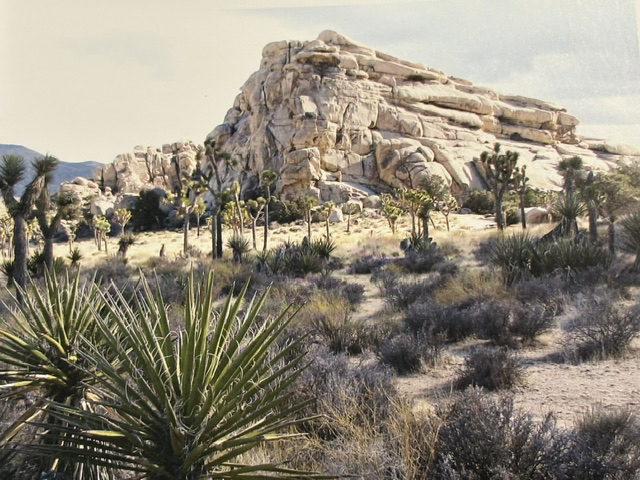
Joshua Tree National Park
Our family traveled to Los Angeles, and while our daughter attended a yoga event, Marty and I made the drive east to Joshua Tree National Park to explore and hike. Here the landscape itself becomes the destination. Established as a national monument in 1936 and redesignated as a national park in 1994, Joshua Tree preserves […]
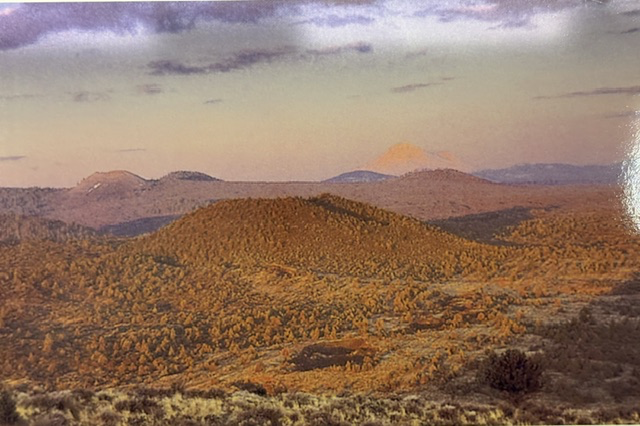
Lava Beds National Monument
On one of my solo rides through northern California. I made a stop at Lava Beds National Monument. The landscape was made up of mile after mile of rugged volcanic terrain shaped by ancient eruptions. This is a view of the lava fields in the early morning light, dotted with cinder cones created by the […]
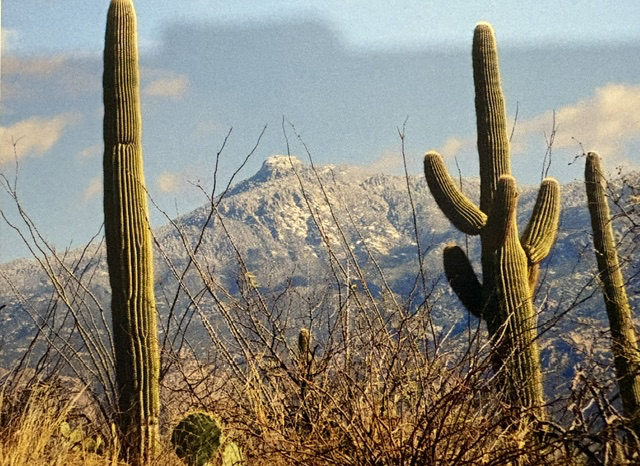
Saguaro National Park
Saguaro National Park, established in 1994 near Tucson, Arizona, preserves one of the most recognizable landscapes in the American Southwest. It is home to the nation’s largest cactus, the giant saguaro, a plant found naturally only in the Sonoran Desert. Some of these remarkable cacti live for more than 150 years and can grow to […]

