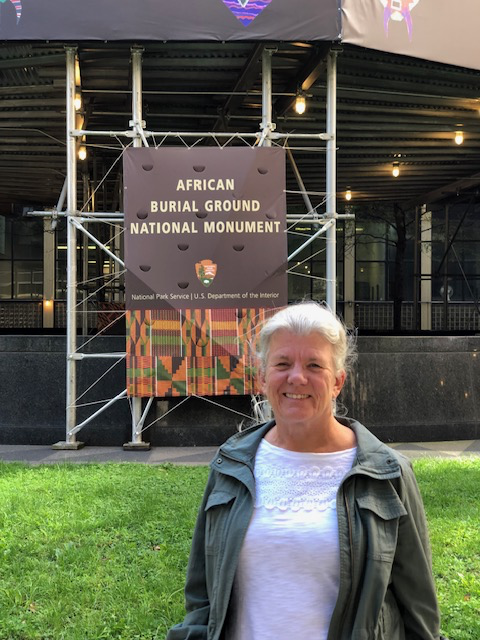
African Burial Ground National Monument
In the very center of New York City, surrounded by federal buildings and urban motion, sites the powerful historic space: African Burial Ground National Monument.

This sacred ground came into view in the early 1990s during excavation for a new federal office building. What construction crews uncovered stopped the project in its tracks: hundreds of burial remains dating from the 17th and 18th centuries. These remains belonged to enslaved and free Africans who once made up a large portion of colonial New York’s population. In an era when the city’s northern boundary ran far below today’s streets, this area had served as a cemetery outside the limits of the town, a place where Black New Yorkers laid their dead to rest when other burial grounds were closed to them.
In one of the most expensive real-estate markets on earth, the decision was made not to build over the discovery, but to preserve it, interpret it, and honor the lives found there. The effort culminated in 2006, when President George W. Bush officially designated the site a National Monument, securing its future and recognizing its national importance.
The African Burial Ground is a reminder that beneath modern streets lie layers of lives and stories of whole communities that built, served and endured long before Manhattan became what it is today. When history is uncovered, it deserves space, permanence and reverence.
Read More From Nancy
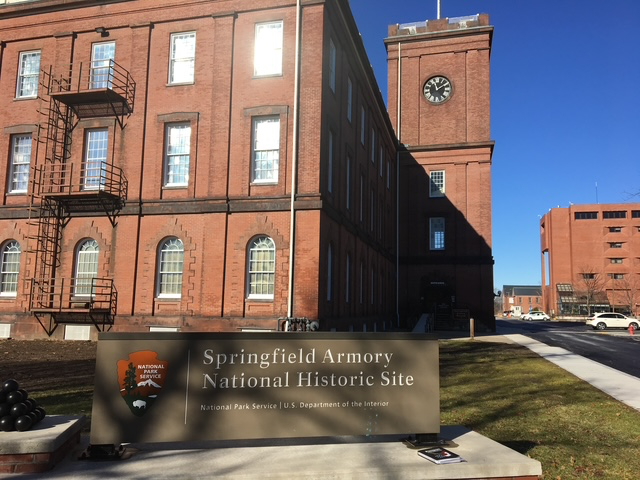
Springfield Armory National Historic Site
I have visited the Springfield Armory National Historic Site a few times over the years. I have left with a deep appreciation of how this place shaped American history. Founded in 1794, at the direction of George Washington, the Springfield Armory became the center of American military manufacturing for nearly two hundred years. During its […]
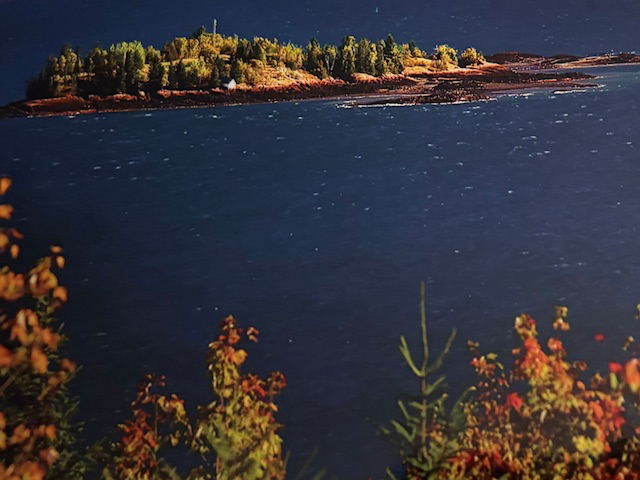
Saint Croix Island International Historic Site
Erin and I drove to Saint Croix Island International Historic Site, a place that marks one of the earliest European settlements in North America. Located along the St. Croix River, this site sits on the border between the United States and Canada, just east of Calais. From the mainland, you look out across the water to […]
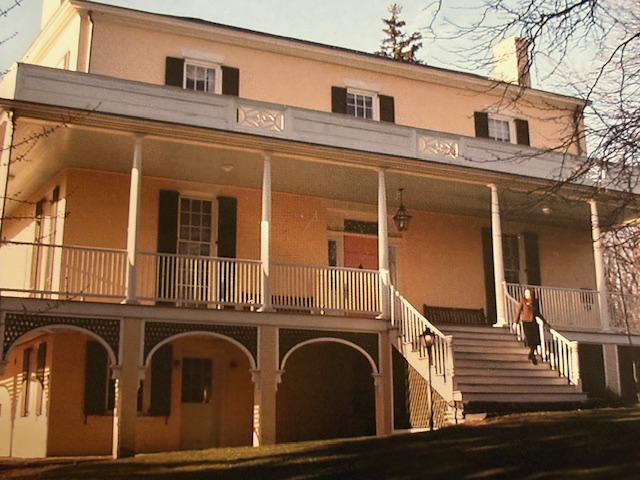
Thomas Cole National Historic Site
Thomas Cole is often considered the founder of the Hudson River School, America’s first true artistic movement. His home at Thomas Cole National Historic Site is modest, especially when compared to the grand estates of some of his students, yet this quiet setting became an important gathering place for artists. Within these walls, and in the surrounding […]

