Museum of the North
The University of Alaska’s Museum of the North brings together the state’s natural history, Alaska Native cultures, and artistic traditions. Its beginnings reach back to the university’s early years. In 1926, naturalist Otto Geist began collecting archaeological and cultural materials at the request of university president Charles Bunnell. Those collections, along with a small group of paintings, formed the museum’s first public exhibition in 1929.
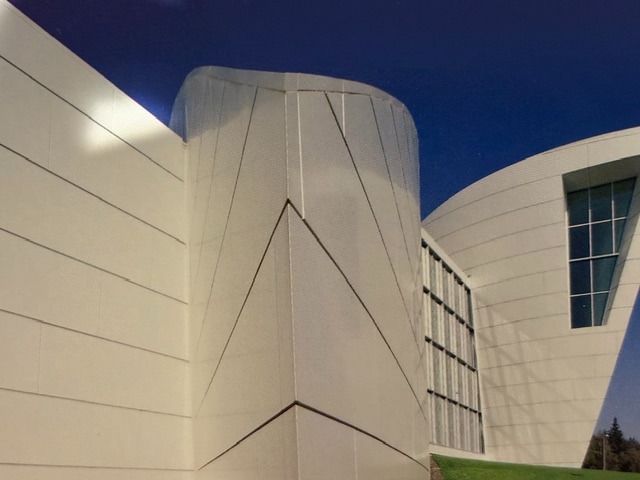
The museum moved into its present building in 1980, but the dramatic white architecture seen here came with a major expansion in 2005. Architect Joan Soranno and the GDM/HGA team drew inspiration from Alaska’s glaciers, mountain ridges, river ice, and northern lights. The addition doubled the museum’s size, providing more room for exhibitions, education, and research. Large windows connect the interior with views of the Alaska Range and Tanana Valley.
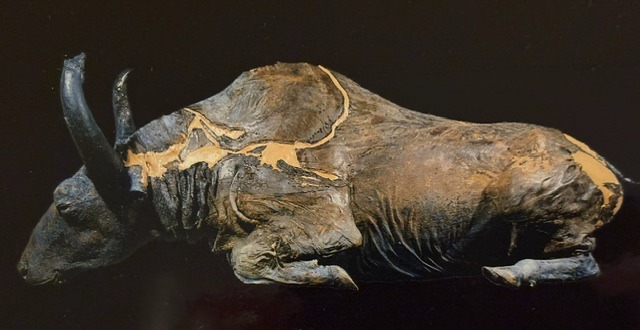
Inside, the collections explore Alaska through wildlife, fossils, gold, historical objects, and Alaska Native art. Among the best-known exhibits is Blue Babe, a mummified Ice Age steppe bison. The galleries place ancient ivory carvings and traditional baskets alongside historical paintings and contemporary works, presenting many ways people have understood and expressed life in the North.