Willard House & Clock Museum
The Willard House in North Grafton began as a family home long before it became a museum. Built about 1718 for Joseph and Martha Willard, it is among Grafton’s oldest surviving houses, predating the town’s incorporation in 1735. Its red clapboards, simple roofline, and substantial chimney reflect the practical character of an early New England farmhouse.
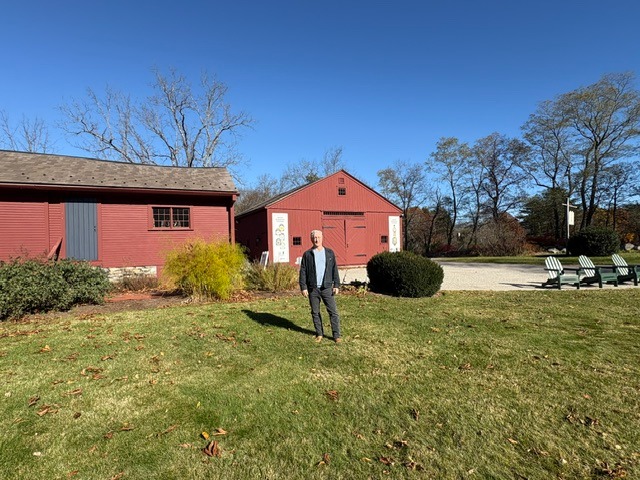
The property connected several generations of the Willard family. Joseph and Martha were the grandparents of Benjamin, Simon, Ephraim, and Aaron—the four brothers who would establish the family’s reputation as clockmakers. The brothers grew up on this rural homestead, where household responsibilities, farm work, and learning useful skills were closely connected.
Benjamin, the oldest of the four clockmaking brothers, began making clocks here in 1766. His younger brothers learned the trade, beginning a family enterprise that continued through later generations. The workshop beside the house makes that relationship between home and livelihood especially clear. A craft that eventually reached customers far beyond Grafton took root within the setting of a family farm.
The house also preserves evidence of the family beyond its professional accomplishments. Portraits, furnishings, personal correspondence, and other heirlooms help tell the story of the people who lived here. Those objects give individual identities to a surname more often associated with the finished work of its craftsmen.
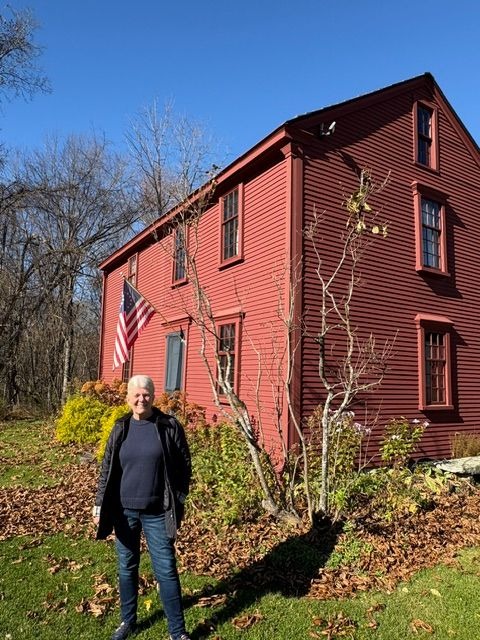
The homestead survives today largely through the efforts of Dr. Roger and Imogene Robinson, who purchased the property in 1968 and opened the museum to the public in 1971. Preserving the house alongside the workshop kept an essential part of the Willard story intact: the family setting from which its generations of craftsmanship emerged.
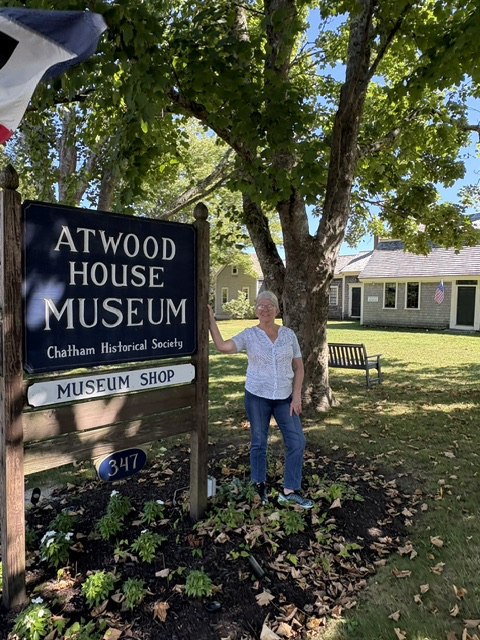
Read More From Nancy
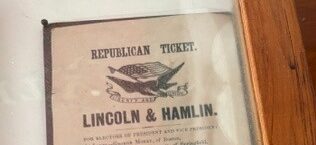
The Lincoln–Hamlin Republican Ticket
A narrow printed sheet preserved at the Needham History Center & Museum carries the names “Lincoln & Hamlin” beneath an eagle and American flag. This Republican ticket connects the presidential election of 1860 with a voting practice quite different from the one familiar today. Abraham Lincoln of Illinois and Hannibal Hamlin of Maine headed the […]
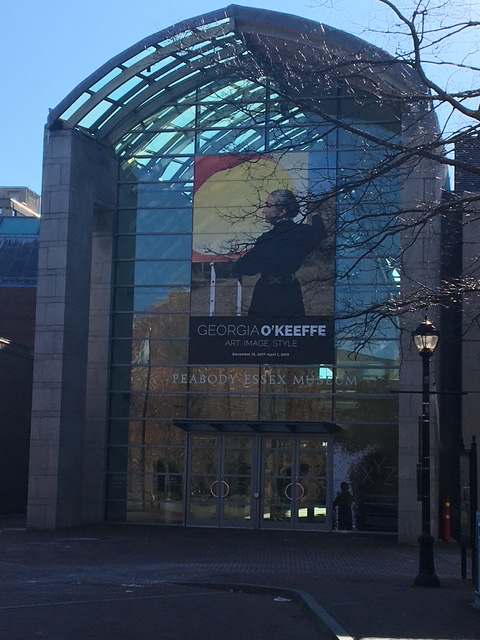
The Peabody Essex Museum
For many years before COVID, the Peabody Essex Museum in Salem was one of our favorite local museums. We were members and visited regularly, not simply to see the permanent collections but especially for the major exhibitions that came through the museum. The exhibits were always thoughtfully put together, and our membership gave us a […]
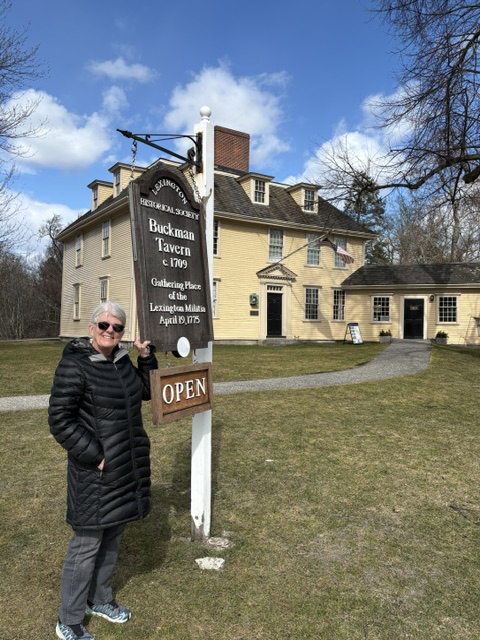
Buckman Tavern
There are some towns that have preserved their colonial roots remarkably well, and Lexington is certainly one of them. Marty and I took a ride over to the town this year simply to walk the familiar sites once again. Since Buckman Tavern was open, we took the opportunity to tour it and revisit one of the places […]

