Shaker Kitchen, Hancock Village
The kitchen in the 1830 Brick Dwelling at Hancock Shaker Village shows how simplicity and thoughtful design can work together. Its plain wooden surfaces, sturdy furniture, and orderly arrangement create a room in which usefulness guides the design.
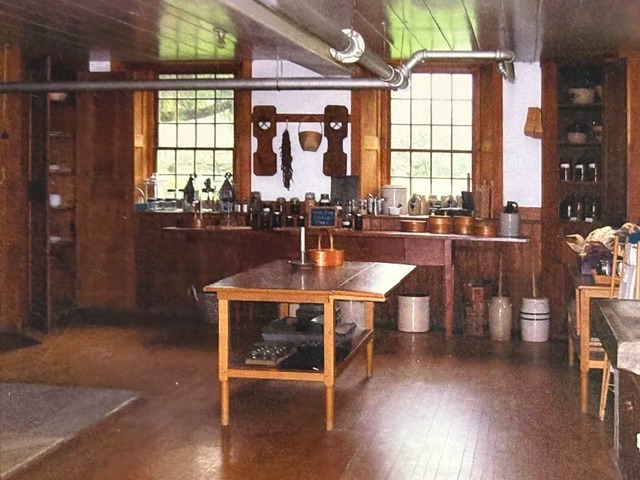
The large table at the center provides a generous surface for preparing food, with room to work from every side. Its open lower shelf keeps equipment accessible. Along the walls, cupboards, shelves, and hanging utensils place everyday necessities within reach. Decoration is minimal; the character of the room comes from its materials, proportions, and practical details.
This simplicity served a demanding purpose. The Brick Dwelling housed around one hundred members of the Shaker community, and its kitchen supported the preparation of their shared meals. Cooking for so many people called for an organized workspace and equipment suited to repeated daily use.
The Shakers combined their preference for plain design with an interest in labor-saving improvements. Water was piped into the building, reducing the work of carrying it for cooking and cleaning. Dumbwaiters, known as “sliding cupboards,” connected the downstairs kitchen with the dining room above, allowing food and dishes to move between floors.
Built-in cupboards and drawers provided orderly storage throughout the dwelling. These features made efficient use of space while keeping rooms uncluttered. The Shakers also used interior windows elsewhere in the building to bring light into spaces that would otherwise have been dark. Their attention extended from the placement of a utensil to the movement of light, air, and people through the house.
What interests me about this kitchen is how much thought went into a room that looks so simple. The table, storage, and work surfaces do not compete for attention. Each has a purpose, and together they create a space designed to make everyday work more manageable. The kitchen’s appeal comes from that combination of simplicity, craftsmanship, and ingenuity.

Read More From Nancy

The Fuller Craft Museum
At the Fuller Craft Museum in Brockton, Massachusetts, a duck stands on a platform in the water. Look closely and you’ll see a small wheel tucked into its body, a length of pipe, and pieces of metal that once had other uses. Philadelphia artist Leo Sewell welded found aluminum objects together to make Duck, a […]
The Concord School of Philosophy
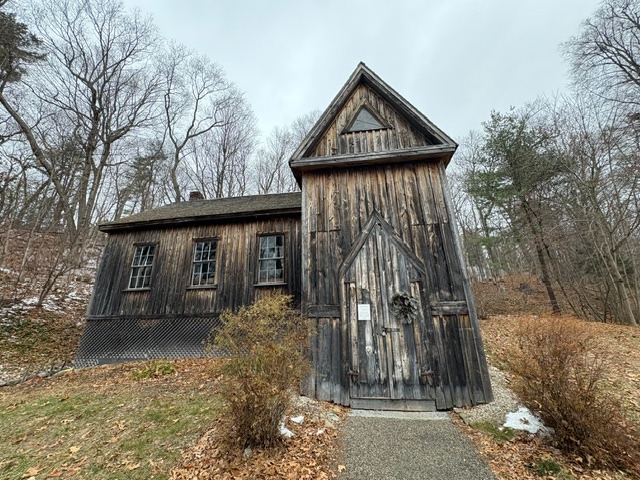
Beside Orchard House stands a small wooden building that preserves another chapter of the Alcott family’s history. Known as Hillside Chapel, it was built for the Concord School of Philosophy, a gathering devoted to the discussion of ideas. While Orchard House is closely associated with Louisa May Alcott’s writing, the school reflects the educational ambitions […]
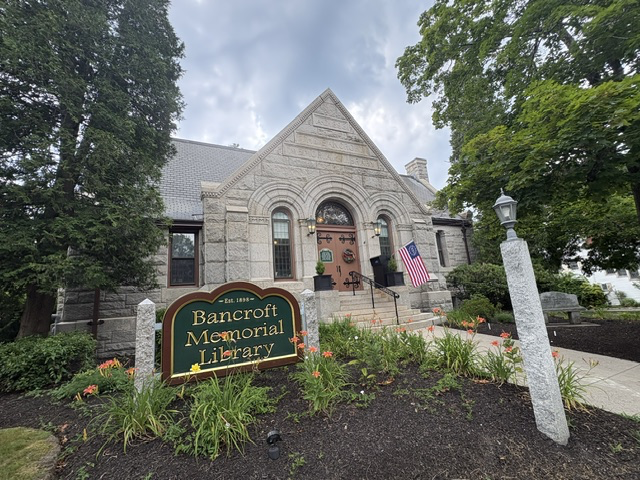
Bancroft Memorial Library
Standing in the center of Hopedale, the Bancroft Memorial Library is much more than a public library. It is the keeper of the town’s memory, preserving the stories of the people whose ideas, industry, and generosity shaped this remarkable community. Completed in 1898, the library was a gift from George and Eben Draper in memory […]

