Ellis Island
From the water, Ellis Island’s Main Immigration Building presents an imposing façade of red brick, pale stone, arched windows, and towers. Inside, the Registry Room preserves the setting where millions of newcomers waited to learn whether they could enter the United States.
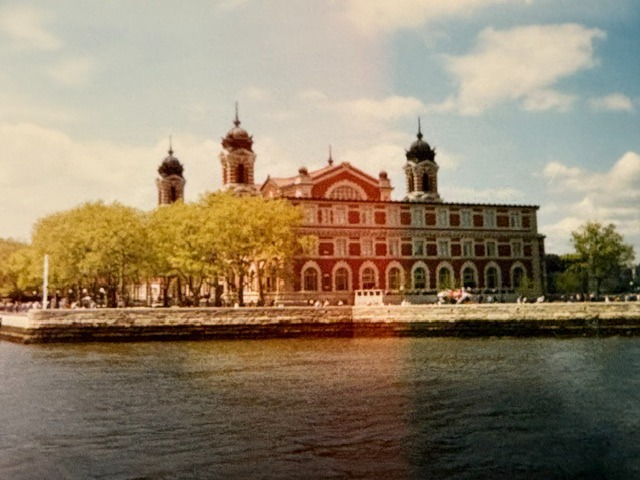
Ellis Island opened as a federal immigration station in 1892. After a fire destroyed its original main building, the present structure opened in 1900. It became the principal setting for the inspections associated with the island’s busiest years.
For immigrants directed here after an ocean crossing, arrival in New York Harbor did not immediately mean admission. Medical examinations and legal questioning stood between the ship and the next stage of their journey. Officials assessed whether newcomers met the requirements of immigration laws, including rules concerning health and the likelihood of becoming dependent on public assistance.
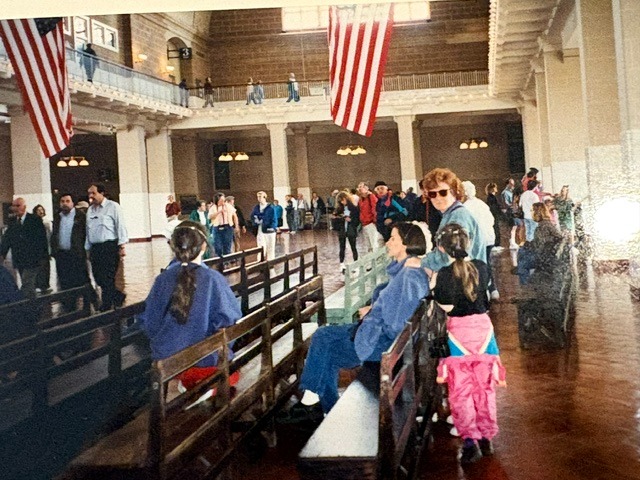
The Registry Room, also called the Great Hall, was central to that process. Its benches and inspection areas accommodated people carrying different languages, belongings, and expectations. Some anticipated joining relatives; others faced the challenge of establishing a life in an unfamiliar country.
Many passed through within hours. Others were detained for further examination or hearings, and some were denied entry. The island therefore holds histories of opportunity alongside experiences of separation, exclusion, and uncertainty.
Immigration processing diminished after restrictive legislation in the 1920s. Ellis Island later served other functions before closing in 1954. Following extensive restoration, the immigration museum opened in the Main Building in 1990.
The preserved building connects the broad history of immigration with the individual experience of waiting for a decision. Its significance rests in both the journeys that brought people to America and the inspection system that determined who could continue beyond the harbor.

Read More From Nancy
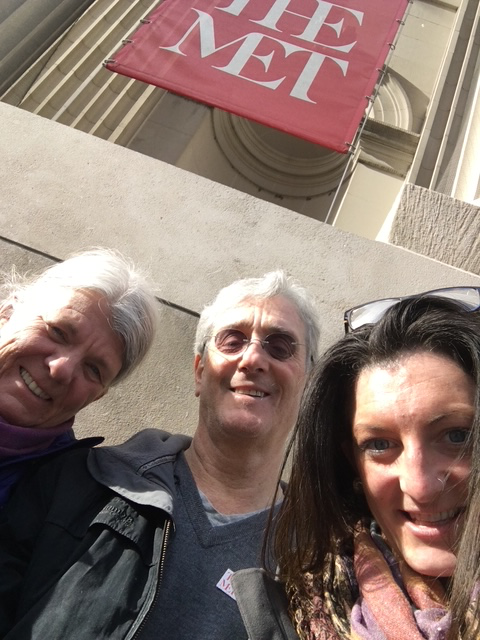
The Metropolitan Museum of Art
The Metropolitan Museum of Art has been part of many of our visits to New York City over the years. Sometimes we have gone for a particular exhibition we wanted to see, while other visits have simply been opportunities to wander through the galleries and see where they would take us. With a museum as […]
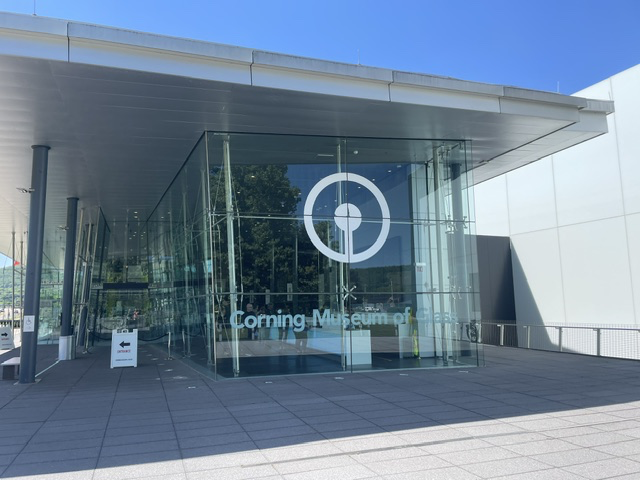
The Corning Museum of Glass
During our camping trip in upstate New York, we visited the Corning Museum of Glass, and once again found ourselves amazed by how one material can tell the story of human civilization. Founded in 1951 by Corning Glass Works to celebrate the company’s centennial, the Corning Museum of Glass has grown into the world’s premier museum […]
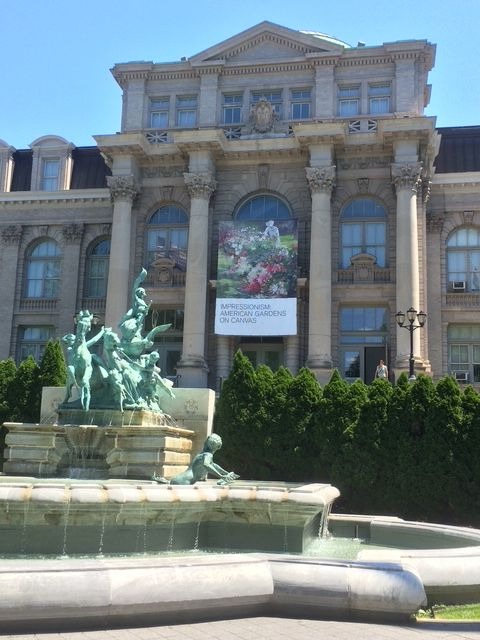
The New York Botanical Garden
We have visited the New York Botanical Garden many times over the years. Each visit offers something different, but we especially enjoy returning when the roses are in bloom in the Peggy Rockefeller Rose Garden. Walking among its flowering beds has become one of our favorite ways to experience this remarkable place. Founded in 1891, […]

