Centro Español
The red-brick Centro Español clubhouse on Seventh Avenue represents an important part of Ybor City’s immigrant history. Established in 1891, the Spanish association brought people together to preserve their culture and provide practical support as they built lives in Florida.
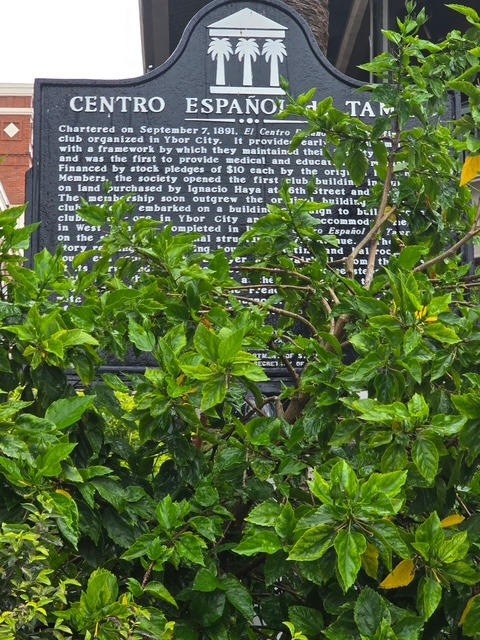
Mutual aid meant sharing resources to meet needs that individual families could struggle to manage alone. Members supported an organization that offered social activities and assistance during illness, injury, and death. The club connected cultural belonging with financial and personal security.
Healthcare became a major undertaking. The society established its own Sanatorio, completed in 1906, providing an institutional response to the medical needs of its members. Its hospital demonstrated how immigrant organizations could develop services extending far beyond the activities of a conventional social club.
As membership grew, the association replaced its original clubhouse with the larger building completed in 1912. Its prominent presence on Seventh Avenue expressed the strength of an organization sustained through collective commitment. The clubhouse gave members a place to gather while maintaining connections with Spanish language and traditions.
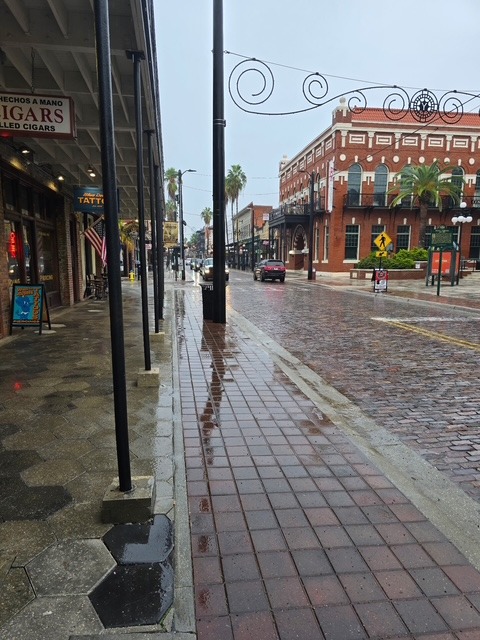
Centro Español belonged to a wider network of societies established by Ybor City’s immigrant communities. Although each had its own membership and identity, together they helped create a neighborhood where community organizations supported many aspects of daily life.
The clubhouse preserves the history of people who organized to care for one another. Alongside the factories that provided employment, institutions such as Centro Español helped make Ybor City a home, giving residents a means to sustain their heritage and respond collectively to uncertainty.
Read More From Nancy
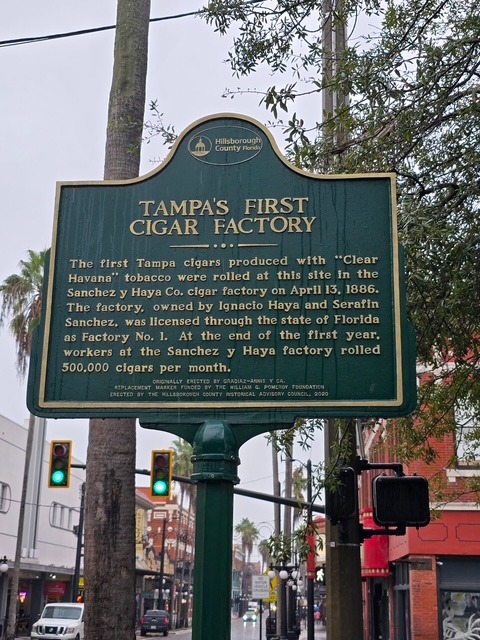
Tampa’s First Cigar Factory
On April 13, 1886, workers at the Sanchez y Haya cigar factory rolled the first cigars made in Tampa using “clear Havana” tobacco. The factory’s opening marked an early milestone in the development of Ybor City, where cigar manufacturing would transform the economy and character of the surrounding area. Owned by Ignacio Haya and Serafín […]
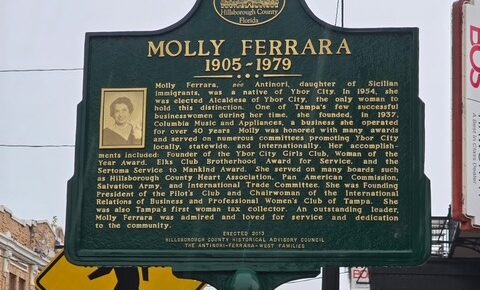
Molly Ferrara
Molly Ferrara’s historical marker recognizes a woman whose work connected business ownership with public service. Born Molly Antinori in 1905, she was a Ybor City native and the daughter of Sicilian immigrants. In 1937, Ferrara founded Columbia Music and Appliances. She operated the business for more than forty years, establishing a lasting commercial presence during […]

