The Breeches Buoy
A life ring with a pair of canvas trousers attached may seem an unlikely means of escaping a shipwreck. Yet the breeches buoy offered a way to bring people safely ashore when a stranded vessel was within reach of land and the surf made launching a rescue boat too dangerous. The exhibit in Chatham preserves an example of this practical approach to lifesaving.
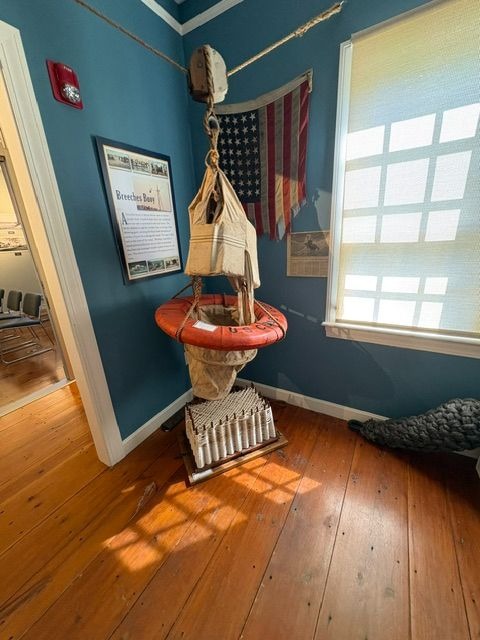
Its name describes its construction: “breeches” were the trousers that supported the person being rescued, while the buoy was the surrounding flotation ring. Suspended beneath a pulley, the device traveled along a heavy rope stretched between the ship and shore. Each passenger or crew member climbed into the canvas seat and was hauled toward the beach.
Establishing that connection was the first challenge. Rescuers used a line-throwing gun to fire a lightweight line toward the wreck. Once those aboard secured the connection and hauled heavier ropes into place, the shore crew could set up the apparatus. An anchor buried in the sand held the shore end, while tackle tightened the supporting rope and a wooden prop helped keep it above the water.
The system depended on cooperation between people aboard the vessel and the lifesaving crew on the beach. Rescue workers pulled the buoy back and forth, bringing survivors ashore one at a time. The journey could still be frightening: the person being rescued hung above breaking waves, exposed to wind, spray, and the movement of the ropes.
For the surfmen of the United States Life-Saving Service, repeated drills prepared them to assemble and operate this equipment in an emergency. Their work required familiarity with every rope, pulley, and connection, along with the ability to act together under difficult conditions.
In Chatham, this equipment adds another dimension to the history of maritime rescue. The familiar stories of lifeboats and their crews are joined by the work of rescuers who remained on shore, creating a route to safety across the surf. The breeches buoy shows how simple materials, careful preparation, and coordinated effort could give people aboard a stranded ship a chance to survive.
Read More From Nancy
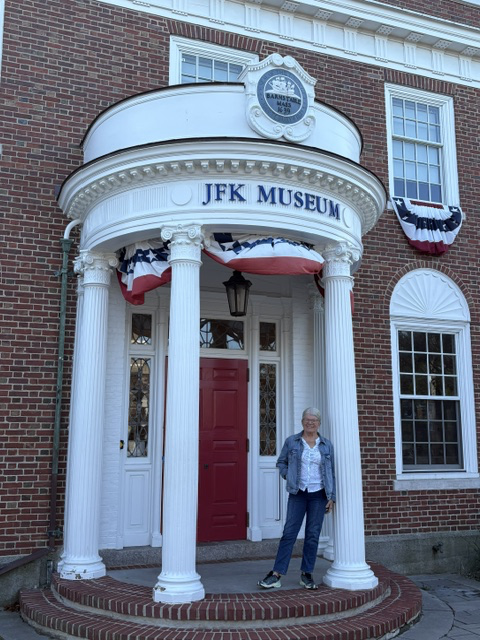
John F. Kennedy Museum
I grew up in a family that greatly admired the Kennedys. My mother kept a bust of President John F. Kennedy on our mantel, and there was little we did not know about the family and its many branches. Over the years, I visited numerous places associated with the Kennedys, so traveling to Hyannis and […]
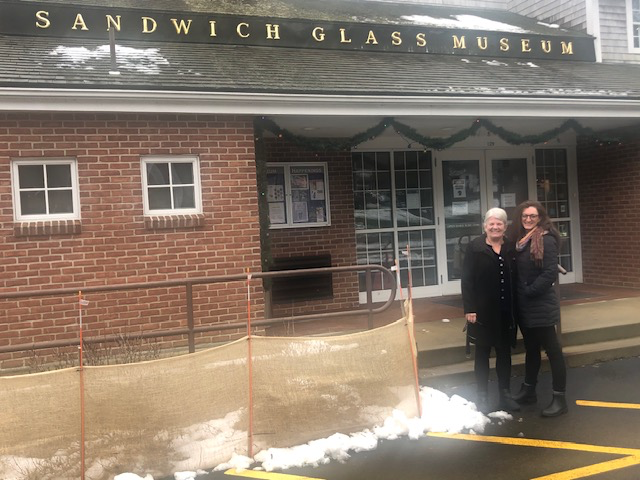
Glass Museum
In December 2020, I was searching for something meaningful to do for my birthday. COVID-19 had brought much of the MetroWest Boston area to a standstill, and nearly everything was closed. After months of restrictions and canceled plans, even a simple day trip felt like a welcome escape. When I learned that the Sandwich Glass […]
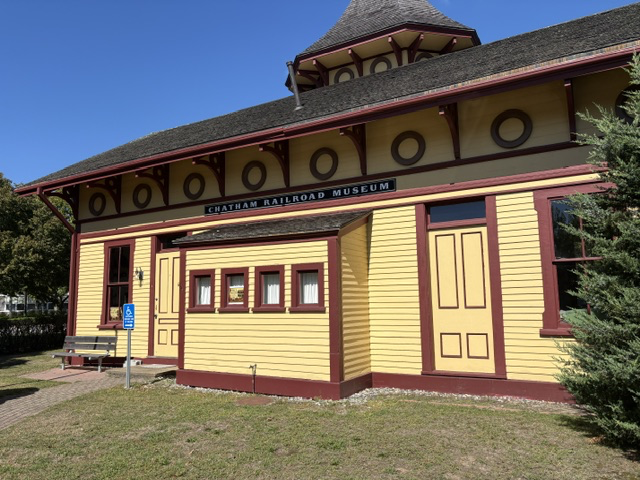
Chatham Railroad Museum
For much of the nineteenth century, Chatham’s location at the southeastern end of Cape Cod made travel and commerce difficult. Residents depended upon coastal vessels, horse-drawn transportation and long overland journeys to reach other communities. Although railroads began serving other parts of Cape Cod earlier in the century, Chatham waited decades for a direct connection. […]

