The Shepherd College Picket
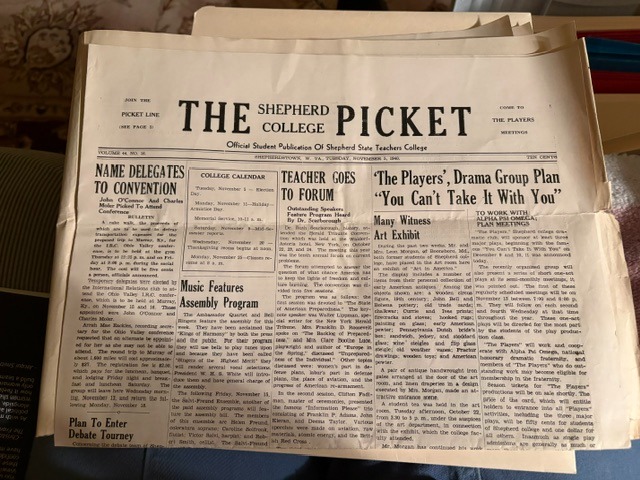
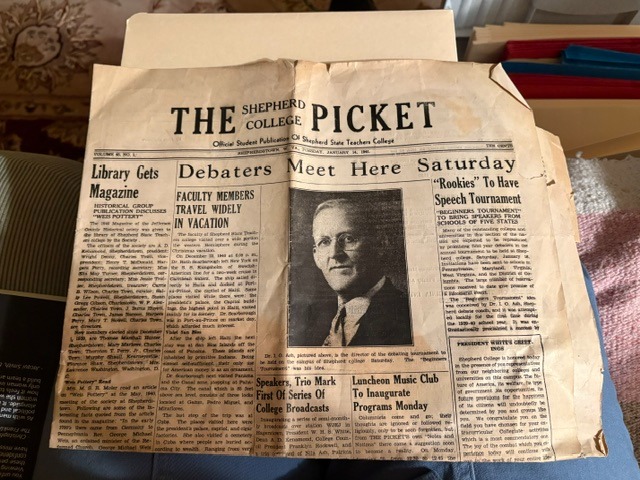
Among the papers my parents preserved are copies of The Shepherd College Picket from November 1940 and January 1941, when my father, Roger, attended Shepherd College. These newspapers belong to our family history, but they also preserve a small part of Shepherdstown’s story: the life of the college that became one of the town’s enduring institutions.
The connection between town and college began in 1871. When Jefferson County’s seat moved from Shepherdstown to Charles Town, local residents chose to turn the vacated courthouse into a school. Shepherd College opened that September with 42 students. It later became a state normal school, preparing teachers, and gained authority to award four-year degrees in 1930.
The Picket first appeared on January 30, 1896. Its name drew upon the town’s Civil War surroundings: pickets were sentinels who stood watch along the Potomac River. Applied to a student newspaper, that name suggested another kind of watchfulness. Its stated purpose was to act “as a safeguard of student liberties,” giving students a voice within their institution.
The issues my parents saved identify the newspaper as the official student publication of Shepherd State Teachers College. Their large mastheads, narrow columns, and ten-cent cover prices place them firmly in an era when campus news arrived on printed pages. Notices that were useful for only a few days have become records of the college’s everyday life.
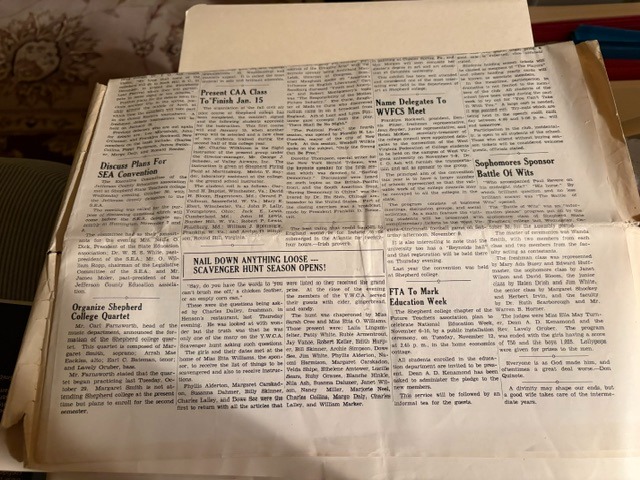
The November 1940 issue announces plans by the student drama group, “The Players,” to perform You Can’t Take It With You. Other articles cover a student art exhibition, a musical assembly, and delegates attending a conference. The January 1941 issue gives prominent attention to a debate and speech tournament, alongside stories about faculty travel, library acquisitions, and college radio broadcasts.
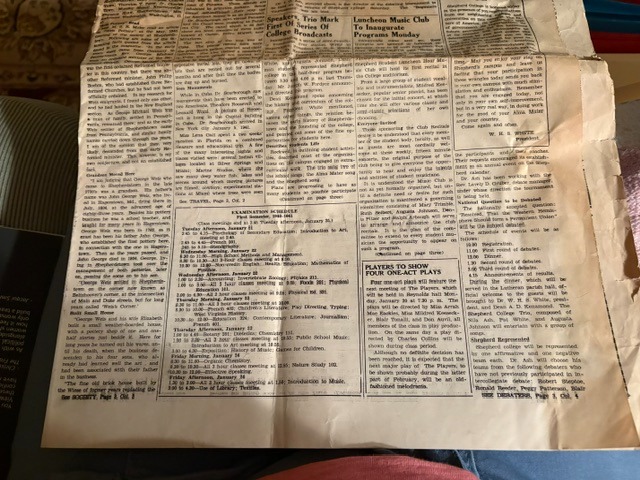
The smaller items are equally revealing. Examination schedules share space with club announcements, plans for a quartet, an aviation class, and a scavenger hunt. These pages show what students organized, studied, and enjoyed. They also preserve the names of participants whose contributions might otherwise receive little attention in a broader institutional history.
Decades later, The Picket’s role extended beyond reporting campus activities. In 1990, its efforts to obtain campus crime reports attracted national attention. The controversy helped bring about a West Virginia law known as the Picket Bill, requiring colleges and universities to maintain accessible campus police logs. The newspaper’s early commitment to student liberties had developed into a consequential effort for public access to information.
For Shepherdstown, these newspapers offer a view of history through the college community’s own announcements and concerns. Buildings record where people gathered; publications help reveal what happened within them. The copies my parents kept preserve both a connection to my father’s education and a record of student life in the town more than eighty years ago.
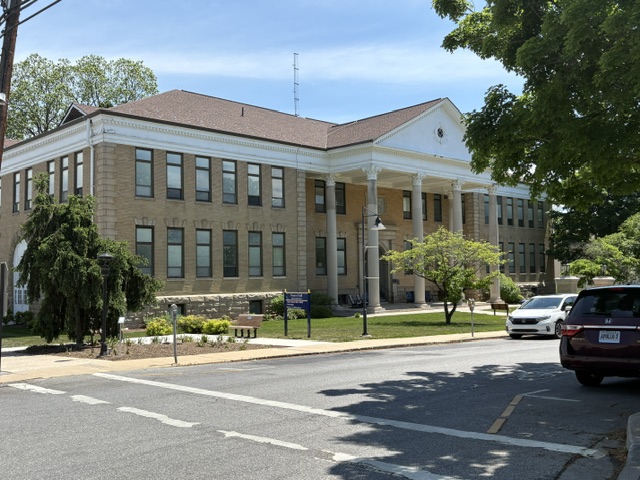
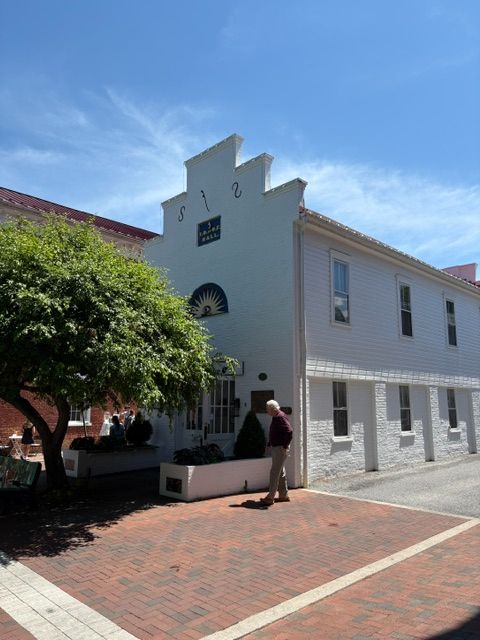
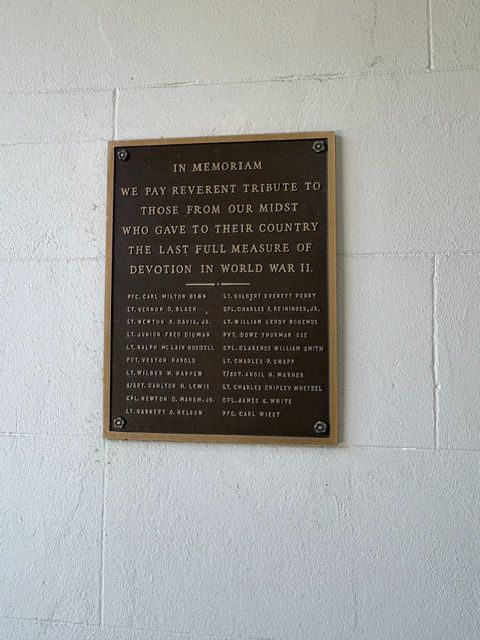
Read More From Nancy
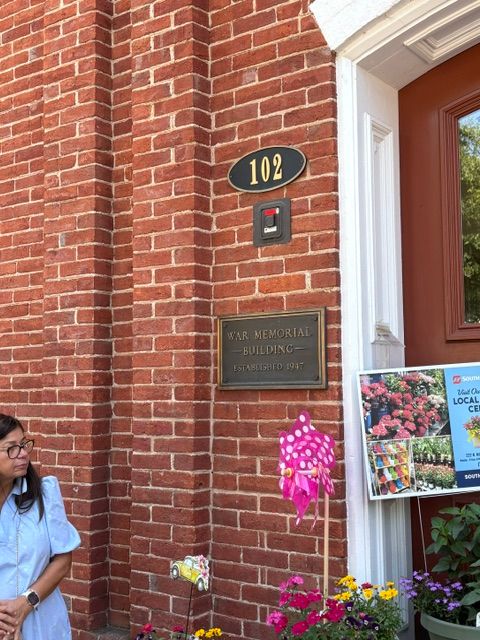
The War Memorial Building
At the corner of German and King Streets, Shepherdstown’s War Memorial Building has welcomed people through its doors for more than a century and a half. Its tall windows, red brick walls, and prominent entrance reflect its original purpose as a church. The plaques beside the doorway tell another chapter: after World War II, it […]
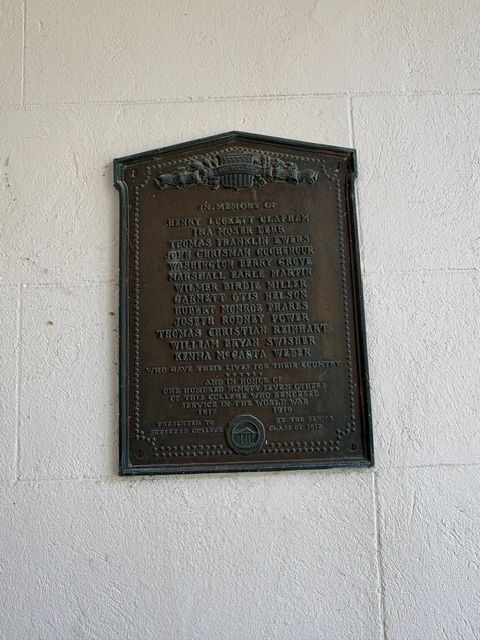
Remembering Shepherd’s World War I Generation
A bronze memorial at what is now Shepherd University preserves the names of thirteen men who gave their lives during World War I. Beneath them, the inscription also honors 197 men of the college who served between 1917 and 1919. Together, these words record both the breadth of the college community’s participation and the individual […]
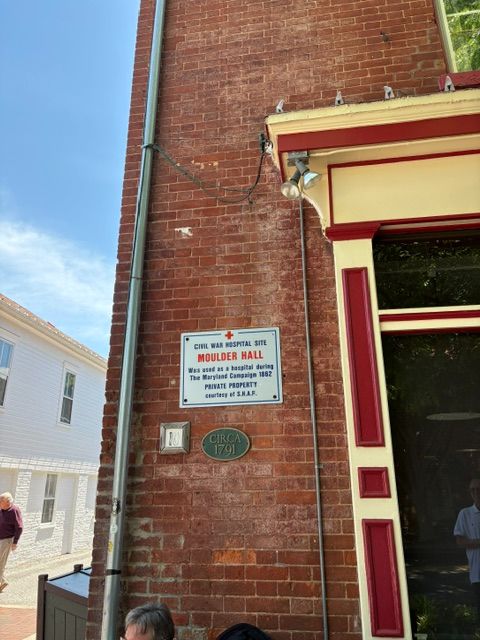
Moulder Hall
At the corner of German and King Streets, a small sign on Moulder Hall identifies a chapter of history that its brick walls otherwise keep quiet: this building served as a hospital during the Maryland Campaign of 1862. Beneath it, another plaque dates the building to about 1791. Together, these markers connect an ordinary downtown […]

