The Lyman and Merrie Wood Museum
Springfield has a remarkable number of stories to tell about things made here. Motorcycles, automobiles, dictionaries, games, and precision machinery all came from a city whose workers and inventors shaped life far beyond western Massachusetts. When we visited the Lyman and Merrie Wood Museum of Springfield History, we found a place built to bring those stories together.
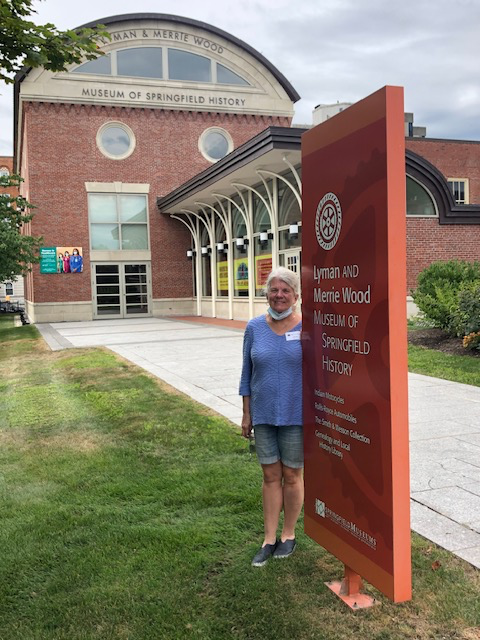
The museum grew from the Springfield Museums’ long effort to give the city’s history a home of its own. The museums’ collections began in the nineteenth century with objects displayed in a room at City Hall. As the collections grew, they moved to the Quadrangle, where museums devoted to art and science opened over the following decades. A dedicated museum of Springfield history was the next step.
An important opportunity came through M. Allen Swift, who had owned a Springfield-built 1928 Rolls-Royce for most of his life. He wanted the car preserved where its manufacturing story could be told. In 2005, shortly before his death, he gave the Springfield Museums funds to purchase a former Verizon building near the Quadrangle and donated the car for the new museum’s transportation collection. The existing building was renovated, and a two-story hall was added to accommodate large exhibits. The Museum of Springfield History opened on October 10, 2009. It was the first new museum on the Quadrangle in seventy-five years.
Inside, the museum follows Springfield’s development through the things its people made and the lives connected to them. Its transportation exhibits include early automobiles and motorcycles built in the city. Other displays trace the precision skills associated with the Springfield Armory and the growth of local companies whose products became familiar throughout the country. Milton Bradley’s games and Merriam-Webster’s dictionaries are reminders that Springfield’s influence reached into homes and classrooms as well as onto roads and factory floors.
The museum also makes room for stories beyond manufacturing. Exhibits explore the growth of downtown, the businesses that served the region, and Springfield residents’ involvement in abolition and the Civil War. Its library and archives hold records for those who want to look more closely at the people behind the city’s buildings, industries, and institutions.
Walking through the galleries, we saw how one city could contribute to so many different parts of American life. The exhibits brought together achievements that are often considered separately and gave them a place of origin. They also reminded us that every object on display had a human story: someone imagined it, someone made it, and others found a use for it.
The museum gave us a way to see Springfield with greater attention. Beyond its doors were the streets where these businesses operated and the neighborhoods where their workers lived. What we had encountered inside was a beginning, inviting us to keep looking for the city’s history in the place where it happened.
Read More From Nancy
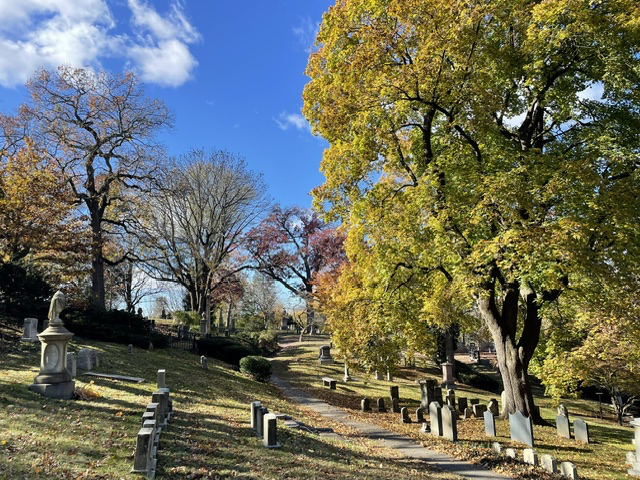
Mount Auburn Cemetery
Marty and I journeyed to Mount Auburn Cemetery because on a beautiful fall day. Surrounded today by the communities of Cambridge and Watertown, it is difficult to imagine that when it was created in 1831, this was countryside outside Boston. Walking through it on a beautiful autumn day, we quickly understood why Mount Auburn became much more […]
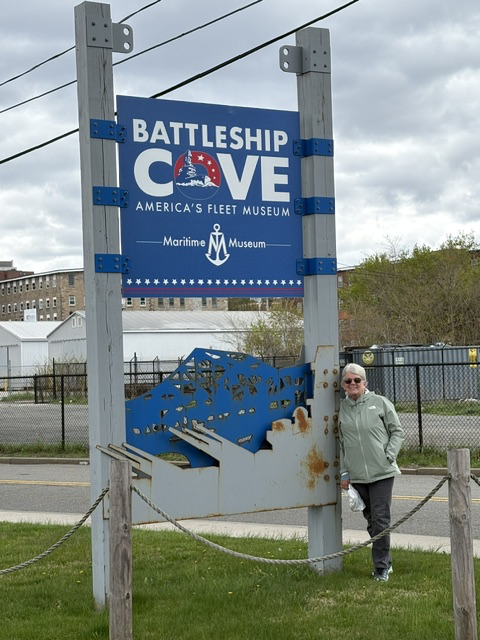
Battleship Cove
One of the highlights of our visit to Fall River was Battleship Cove, home to the largest collection of historic naval vessels in the world. Located along the waterfront of Mount Hope Bay, this remarkable museum preserves ships that served during World War II and the Cold War, allowing visitors to step aboard and experience […]
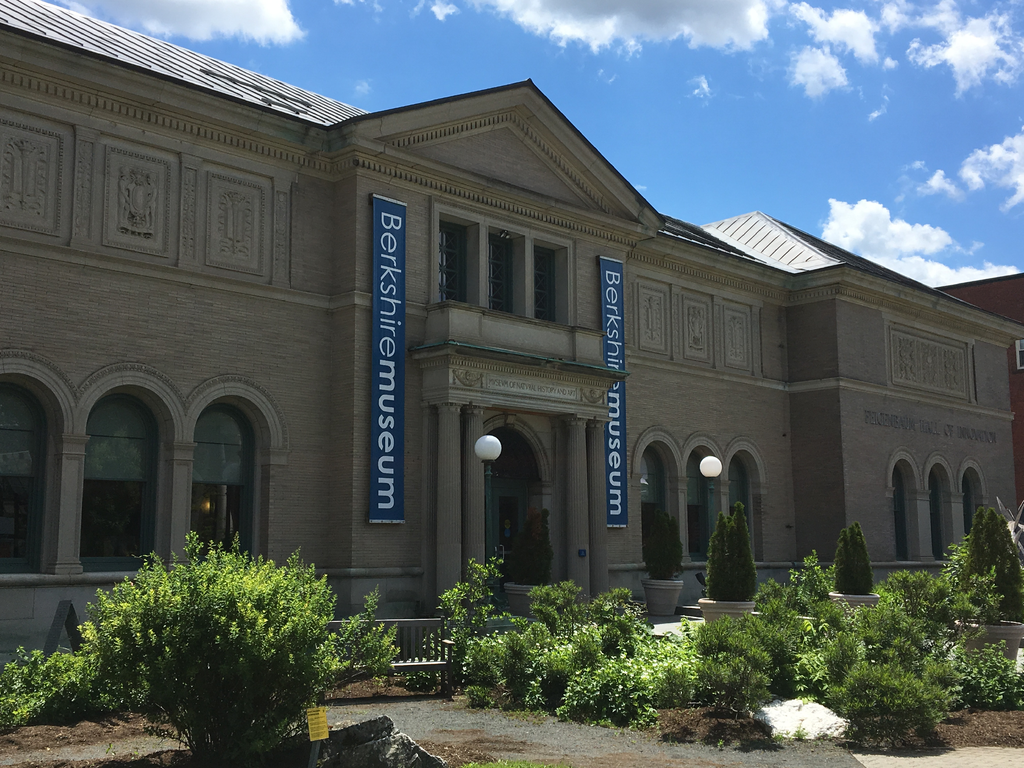
Berkshire Museum
While spending time in the Berkshires, I visited the Berkshire Museum in downtown Pittsfield. A special exhibition devoted to guitars added an enjoyable musical element to the visit, but it was the museum’s varied permanent collection that made the strongest impression on me. The Berkshire Museum was founded in 1903 by local businessman and philanthropist […]

