Measuring History Through Hats
It is always interesting to measure the passage of history through an ordinary object. At the Atwood Museum, the history of hats becomes a timeline of changing customs, occupations, technology and fashion. What people placed on their heads was rarely chosen for appearance alone. Hats offered protection, identified social position and occupation, reflected expectations of proper dress and revealed the changing values of each generation.
For centuries, head coverings were practical necessities. They protected people from sun, rain, wind and cold while working outdoors or traveling. Certain hats also identified soldiers, sailors, laborers, members of religious communities and people holding positions of authority. Materials and construction varied according to purpose, ranging from woven straw and felted wool to leather, silk, velvet and fur.
By the eighteenth and nineteenth centuries, women’s bonnets had become increasingly elaborate. The calash bonnet, introduced during the late eighteenth century, was designed to protect the tall hairstyles then in fashion. Supported by flexible hoops, it could be raised over the hair or folded back like the movable top of a carriage.
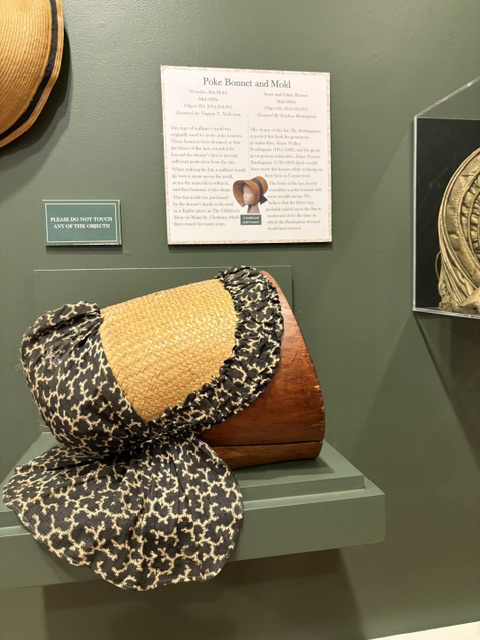
The poke bonnet became fashionable during the nineteenth century. Its deep, projecting brim framed the wearer’s face while providing some protection from the weather. Bonnet makers, known as milliners, shaped straw or fabric over wooden molds before adding ribbons, lace, flowers and other decorations. The surviving bonnet and its wooden form demonstrate that hatmaking required both specialized skill and an understanding of changing fashion.
Hats gradually became less essential to everyday dress during the twentieth century. Social customs relaxed, hairstyles changed and automobiles made large or elaborate hats less practical. Although hats continued to serve ceremonial, occupational and protective purposes, they were no longer considered a necessary part of daily public attire.
The Atwood Museum’s hat collection shows how familiar objects can provide a chronological record of daily life. Changes in their materials, shapes and purposes reflect broader changes in work, transportation, social expectations and personal expression.

Read More From Nancy
The Breeches Buoy
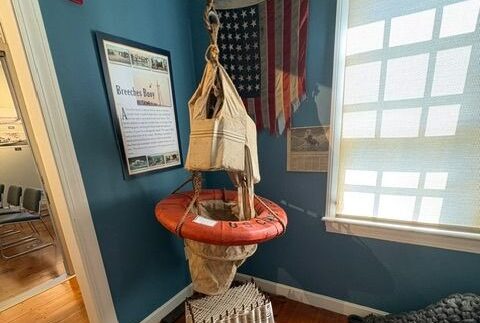
A life ring with a pair of canvas trousers attached may seem an unlikely means of escaping a shipwreck. Yet the breeches buoy offered a way to bring people safely ashore when a stranded vessel was within reach of land and the surf made launching a rescue boat too dangerous. The exhibit in Chatham preserves […]
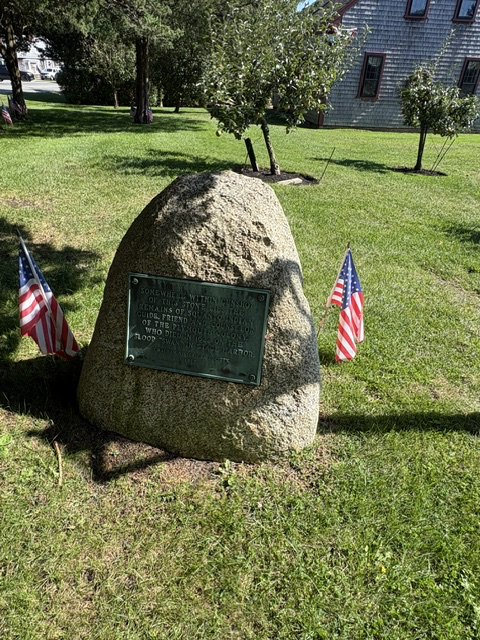
Tisquantum (Squanto) Memorial
Tisquantum, better known as Squanto, is most often remembered as the Native American who helped the English settlers at Plymouth survive their first difficult years. His complete story, however, is far more complicated. It is a story of kidnapping, enslavement, survival, cultural displacement and an extraordinary ability to move between two very different worlds. Tisquantum […]
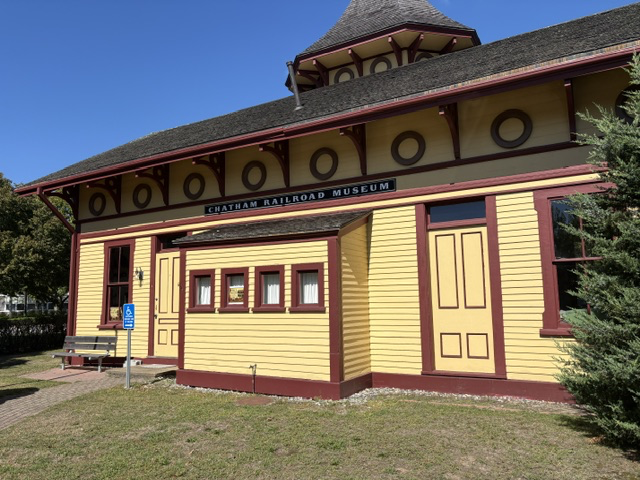
Chatham Railroad Museum
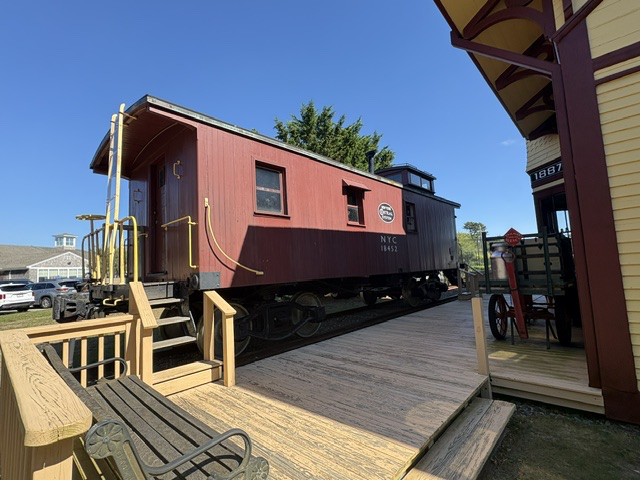
For much of the nineteenth century, Chatham’s location at the southeastern end of Cape Cod made travel and commerce difficult. Residents depended upon coastal vessels, horse-drawn transportation and long overland journeys to reach other communities. Although railroads began serving other parts of Cape Cod earlier in the century, Chatham waited decades for a direct connection. […]

